

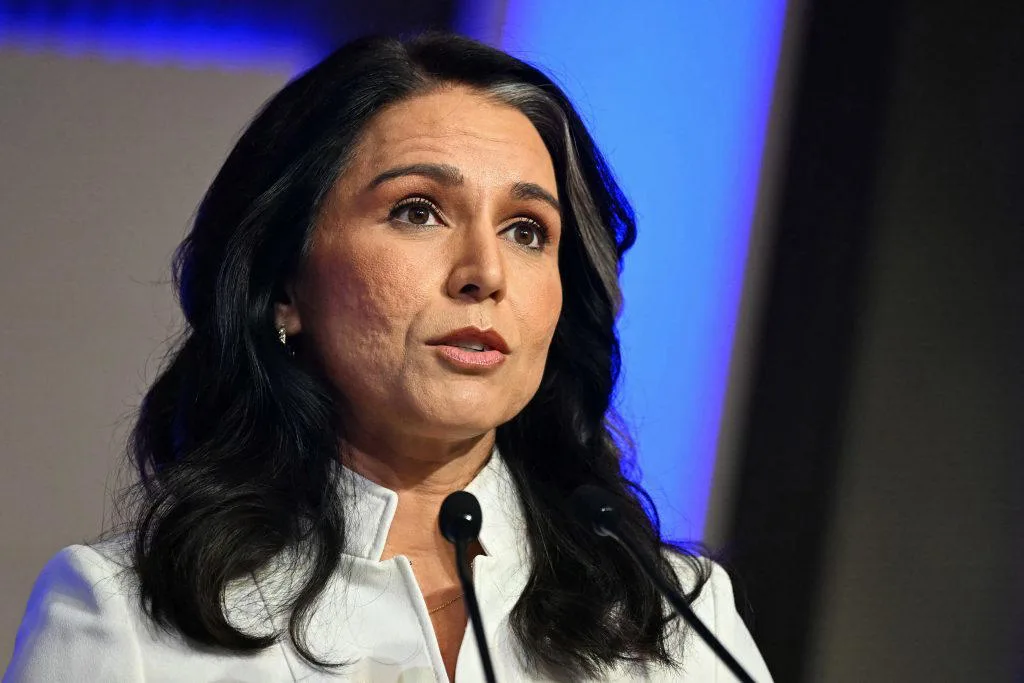
Tulsi Gabbard, the Director of National Intelligence, has resigned from her position, effective immediately. She announced her resignation on Friday, citing her husband's recent diagnosis with a rare form of bone cancer. Gabbard, who was appointed by President Donald Trump, has been a controversial figure in the administration, particularly with regards to her views on the Iran war. She's been at odds with the administration over its handling of the war, and it's clear that her resignation won't be the last development in this story.
Gabbard's husband, Abraham Williams, is a cinematographer based in Hawaii, and the couple met while shooting campaign advertisements. They got married in a Hindu ceremony, and Gabbard has been open about her Hindu faith and her commitment to her family. In a letter to President Trump, Gabbard explained that her husband's diagnosis has presented significant challenges. She needs to be by his side to support him during this difficult time. It's a tough situation, and Gabbard doesn't want to leave her husband's side.
"He faces major challenges in the coming weeks and months," Gabbard said in her letter. "At this time, I must step away from public service to be by his side and fully support him through this battle." Gabbard's decision to resign is a personal one, and she won't be staying on as Director of National Intelligence.
Gabbard's resignation comes at a time when the Trump administration is facing intense scrutiny over its handling of the Iran war. As the Director of National Intelligence, Gabbard was responsible for coordinating information from the 18 US intelligence agencies for the president's daily briefing. However, she had reportedly been at odds with the administration over its justifications for the war. She didn't endorse Trump's claim that Iran posed an imminent threat, and that didn't sit well with the administration. The administration's handling of the war is under fire, and Gabbard's resignation won't make things easier for them.
Gabbard's background is in the military, having served in Iraq with the Army National Guard. Her experience in the war informed her opposition to America's long foreign wars, a view that she shares with Vice President JD Vance and Pentagon chief Pete Hegseth. Gabbard's mother, who was born on the US mainland, raised her in the Hindu tradition. Gabbard has been a lifelong vegetarian, and she's committed to her faith and her family. She won't compromise on her values, and that's why she's stepping down.
The White House has pushed back against reports that Gabbard was forced to resign due to her views on the Iran war. Her chief of staff, Alexa Henning, said that the claim was false, and that Gabbard's resignation was solely due to her husband's health issues. President Trump has also praised Gabbard's work as the Director of National Intelligence, saying that she had done an "incredible job" and that he would miss her. He won't have to deal with her disagreements on the Iran war anymore, though.
Gabbard's deputy, Aaron Lukas, will serve as the acting Director of National Intelligence, according to President Trump. This is the latest in a series of high-profile departures from the Trump administration, with Labor Secretary Lori Chavez-DeRemer stepping down in April amid a series of scandals. The administration can't seem to hold on to its top officials, and it's a problem that won't go away anytime soon.
Key Facts
- Tulsi Gabbard resigned as Director of National Intelligence on May 22, 2026
- Her husband, Abraham Williams, has been diagnosed with a rare form of bone cancer
- Gabbard was appointed by President Donald Trump
- She had been at odds with the administration over its handling of the Iran war
- Gabbard's deputy, Aaron Lukas, will serve as the acting Director of National Intelligence
As the Trump administration continues to face challenges and controversies, Gabbard's resignation is a significant development. It will be closely watched by observers, and it's likely to have a big impact on the administration's handling of the Iran war. With her background in the military and her commitment to her family, Gabbard's decision to step down is a personal one. However, it also highlights the complexities and challenges of serving in public office. It's not easy to balance personal life and public service, and Gabbard won't be able to do it anymore.
In the coming weeks and months, the Trump administration will need to navigate the implications of Gabbard's resignation. They'll have to deal with the fallout from her departure, particularly with regards to the Iran war. The situation is complex, and it won't be easy to resolve. The administration will need to find a way to address the concerns and criticisms that have been raised about its handling of the war. They can't ignore the problems, and they won't be able to sweep them under the rug.
The administration's next move will be crucial, and it's something that they can't afford to get wrong.