

The Three-Year Reckoning
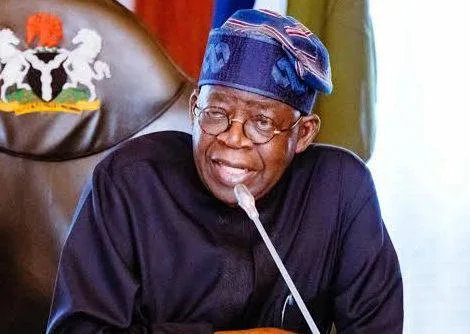
President Bola Tinubu marked his third anniversary in Aso Rock today by directly addressing the heat Nigerians have been feeling since his inauguration in 2023. Standing on a record of volatile economic shifts and massive infrastructure drives, the President framed his tenure as a period where courage was necessary rather than easy, temporary fixes. He acknowledged the pressure on families and workers, suggesting that the path he chose—moving away from a fuel subsidy regime that cost N18.4 billion daily—was the only way to save the country from a deeper fiscal collapse.
When this administration assumed office, our nation faced profound economic and structural difficulties. Mounting fiscal pressures, unsustainable fuel subsidies, declining revenues, exchange-rate distortions, rising debt-servicing costs, insecurity in several parts of the country, energy supply constraints, and declining public confidence in institutions all threatened our progress. These challenges made it clear that drastic measures were needed to prevent a complete collapse.
Economic Indicators and Market Shifts
The administration is pointing to the stock market as evidence of a turnaround. Despite economic struggles on the streets, the Nigerian Exchange Group's All Share Index has climbed significantly from the 53,000 mark it held in 2023 to a record-breaking 250,000 today. Market capitalisation, a measure of the total value of all listed companies, has ballooned from N30 trillion to N160 trillion. This surge reflects renewed confidence from investors who had previously stayed on the sidelines due to complex exchange rate distortions that cost the country N8 trillion over three years.
Paving the Way: Infrastructure and Energy
Construction is the most visible heartbeat of this administration's third year, with massive projects snaking across the country. A total of 2,700 kilometres of highways are under development, including the ambitious Lagos-Calabar Coastal Highway and the Sokoto-Badagry Super Highway. These projects aren't just patches; they are designed to be major arteries for regional trade, aimed at shaving hours off travel times that have plagued logistics for decades.
The aim is to transform the country's transportation landscape, creating new trade opportunities and boosting economic growth.
Digital Frontiers and Human Capital
Beyond the steel and concrete, the government is making a loud play for the youth population. Through the Nigerian Education Loan Fund, N282 billion has been disbursed to support 1.5 million students, a move meant to soften the blow of rising tuition costs. This is a critical investment in human capital, aiming to equip young Nigerians with the skills they need to compete in an increasingly competitive world. The administration also introduced CREDICORP, a consumer credit initiative designed to help workers purchase goods and services, aiming to stimulate internal consumption. This initiative is meant to boost economic growth by putting more money in the pockets of ordinary Nigerians.
Telecommunications is being treated as the digital backbone of the new economy. After years of the sector feeling the pinch of underinvestment, the government claims operators are once again pouring cash into network expansion. The goal here is simple: if you don't have a connected country, you don't have a competitive one. By betting on digital skills and tech-driven entrepreneurship, the government hopes to pivot the country away from a sole reliance on oil exports. This will enable the country to tap into new revenue streams and create new opportunities for growth.
The Security Puzzle
Security remains the most difficult promise to keep, with the President admitting that while his team is using better technology, intelligence, and inter-agency coordination to push back against bandits and kidnappers, the job isn't finished. The current doctrine focuses on reclaiming territory from criminals who have long held sway in rural corridors, ensuring that highways become safer for daily commute and long-haul transport. The administration maintains that without stability, the economic gains they tout would be impossible to sustain. This complex challenge requires a sustained effort and commitment to ensure the country's safety and security.