

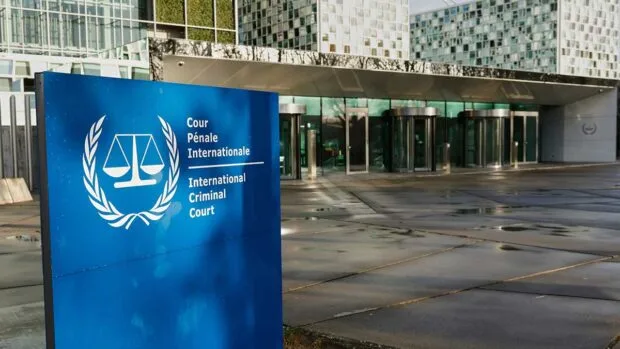
The Philippine government is reviewing its policy on cooperating with the International Criminal Court (ICC). This move comes after the United States government's campaign to dismantle the tribunal.
The Department of Foreign Affairs is assessing the possible implications of the US position on the ICC. Foreign Affairs Secretary Maria Theresa Lazaro said the government wants to examine what impact this may have on the implementation of its laws. The Palace Press Officer Claire Castro stated that the foreign affairs department will first consult with President Ferdinand Marcos Jr. before announcing the government's official stance.
The International Criminal Court is a tribunal that prosecutes individuals for crimes against humanity, war crimes, and genocide. The Philippines has been a signatory to the Rome Statute, which established the ICC, since 2011. The country had submitted several cases to the ICC, including the alleged war crimes committed during the Mindanao conflict.
For now, the possible implications of the US position on the ICC are being studied. The Department of Foreign Affairs is examining what impact this may have on the implementation of the Philippines' laws. The Palace Press Officer stated that the government wants to ensure that any decision made by the ICC does not contradict the country's laws.
The US has been critical of the ICC, particularly on the issue of prosecution of American soldiers and officials. The US has not ratified the Rome Statute, which established the ICC. The country has maintained that it will not cooperate with the ICC, citing sovereignty concerns and the potential for the tribunal to prosecute American citizens without their consent.
The Philippines' decision on whether to continue cooperating with the ICC will be made after President Ferdinand Marcos Jr. receives the assessment from the Department of Foreign Affairs. The government wants to ensure that any decision made is in the best interest of the country.
In 2012, the Philippines asked the ICC to investigate alleged war crimes committed by armed groups in the southern region of Mindanao. The country also submitted a case to the ICC against China for alleged war crimes in the South China Sea.
The ICC has been critical of human rights abuses committed by both the government and armed groups in the Philippines. The tribunal has also been involved in cases related to the Philippines, including the alleged war crimes committed during the Mindanao conflict.
A key challenge for the Philippines in its review of ICC cooperation is the potential impact on its relationship with the US and other countries that have not ratified the Rome Statute. The country also needs to consider the potential consequences of its decision on its international obligations and commitment to uphold human rights.
The Philippines has been a vocal advocate for human rights and has committed to upholding international law. The country has also been involved in various international initiatives aimed at promoting accountability for human rights abuses.
The ICC has been a crucial tool for holding individuals accountable for human rights abuses. The tribunal has prosecuted several high-profile cases, including the alleged war crimes committed by former Liberian President Charles Taylor and the alleged crimes against humanity committed by former Ivory Coast President Laurent Gbagbo.
The Philippines' decision on whether to continue cooperating with the ICC will be made after President Ferdinand Marcos Jr. receives the assessment from the Department of Foreign Affairs. The government wants to ensure that any decision made is in the best interest of the country.
The ICC has been critical of human rights abuses committed by both the government and armed groups in the Philippines. The tribunal has also been involved in cases related to the Philippines, including the alleged war crimes committed during the Mindanao conflict.
Key Facts
- The Philippines has been a signatory to the Rome Statute since 2011.
- The country had submitted several cases to the ICC, including the alleged war crimes committed during the Mindanao conflict.
- The US has not ratified the Rome Statute and has maintained that it will not cooperate with the ICC.
- The ICC has been critical of human rights abuses committed by both the government and armed groups in the Philippines.
- The tribunal has also been involved in cases related to the Philippines, including the alleged war crimes committed during the Mindanao conflict.