

The single sharpest fact in one or two punchy sentences. Who did what, where, when, and why it matters. Not a summary of everything — the one thing that makes someone stop scrolling. A reader who only reads this paragraph must understand what happened.
The US military says it has begun a new wave of strikes in Iran after the country announced it would close the Strait of Hormuz, an oil-rich waterway in the Persian Gulf. A barrel of international benchmark Brent crude for September delivery rose 3.75% to $78.86 at around 2210 GMT on Sunday, while US benchmark West Texas Intermediate rose 3.65 percent to $74.02 per barrel for August delivery.
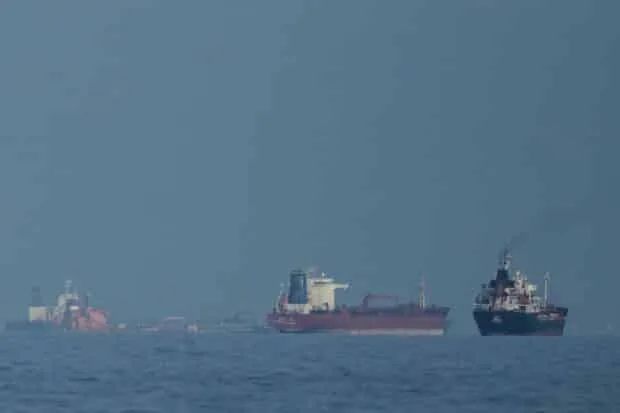
The United States has been at odds with Iran over its nuclear program, and the latest escalation of tensions has sent oil prices soaring. Iran has long been a key oil producer, and the country's oil exports account for a significant portion of its economy. The Strait of Hormuz is a critical chokepoint for global oil trade, and any disruptions to shipping through the waterway can have severe impacts on the global economy.
The US military says it has been working to degrade Iran's military capabilities, and the latest strikes are part of that effort. The US Department of Defense said in a statement that the strikes were designed to target Iranian military assets and prevent further attacks on US and coalition forces. The Iranian government has vowed to respond to the US strikes, but the details of any potential retaliation remain unclear.
The oil price surge is likely to have significant impacts on global energy markets, particularly for countries that rely heavily on imported oil. The price rise may also lead to higher fuel costs for consumers, which could have broader economic implications. The situation is closely watched by investors and policymakers around the world.
Key Facts
- The US military says it has launched a new wave of strikes in Iran.
- The Iranian government has announced it will close the Strait of Hormuz.
- Oil prices rose 3.75% to $78.86 per barrel for September delivery.
- US benchmark West Texas Intermediate rose 3.65 percent to $74.02 per barrel for August delivery.
- Iran has vowed to respond to the US strikes.
- The Strait of Hormuz is critical for global oil trade.
The situation is complex and multifaceted, with significant implications for global energy markets and the broader economy. As the situation continues to unfold, we will be providing further updates and analysis.