

The alarm bells about democratic backsliding have been ringing across the globe for some time now. At this moment of rising concern, the Obama Presidential Center has opened its doors in Chicago, positioning itself as a fresh reminder of democracy's core values and the work needed to protect them.
The center, built on the South Side of Chicago, isn't just a museum or a library. It's designed as a civic hub focused on the foundations of democracy — the underlying ideals and basic expectations that make democratic systems work. According to G Etse Sikanku, who wrote about the center's significance, the project arrives at a moment when worries about democratic erosion are at the top of the global agenda.
The idea is to re-imagine what a presidential center can be. Instead of just preserving the legacy of Barack Obama, the 44th President of the United States, the complex aims to train a new generation of civic leaders and activists. It includes a museum, a forum for public dialogue, a branch of the Chicago Public Library, and a public park.
Obama himself has said he wants the center to be a place where people come not just to look at the past but to build the future. The center's programming focuses on civic engagement, leadership development, and community organising — the same grassroots skills that helped Obama rise from a community organiser in Chicago to the White House.
The opening comes as democracy faces serious challenges in many parts of the world. From the United States to Europe, Africa, and Asia, authoritarian leaders have been tightening their grip on power, undermining independent institutions, and suppressing dissent. The centre's message is that democracy isn't automatic — it requires constant attention and active participation.
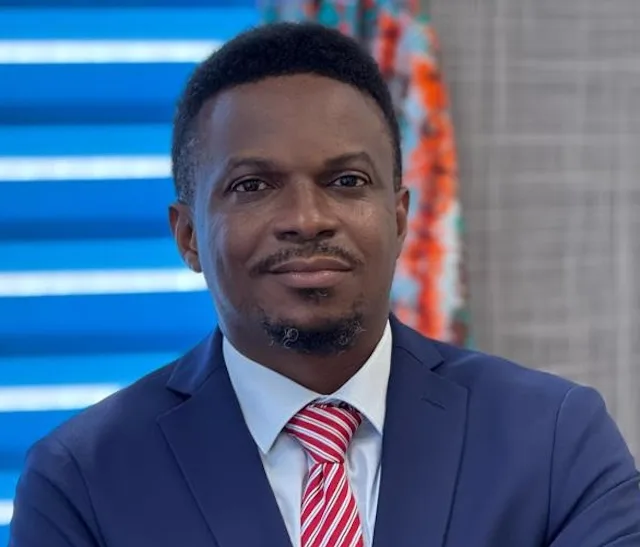
Sikanku, the writer, is a Ghanaian academic and political analyst. His article appears on Premium Times Nigeria, a leading Nigerian news platform. This shows that the conversation about democracy isn't just an American one — it resonates deeply in Africa, where many countries are struggling with democratic consolidation.
For Nigerians, the center's opening offers a moment to reflect on their own democracy. Nigeria has experienced its own democratic backsliding concerns, with issues like election rigging, security challenges, and weak institutions. The Obama center's focus on civic education and participation could serve as a model for similar efforts in Nigeria and across the continent.
The center faced controversy during its planning. Some Chicago residents and activists argued that it would displace local communities and contribute to gentrification. But Obama's team worked with local leaders to address those concerns, including a community benefits agreement that promised jobs and investment for the South Side.
Now that it's open, the real test is whether the center can deliver on its promise. Can a building really help re-imagine democracy? Sikanku thinks it can, if it succeeds in inspiring people to take democracy seriously again.
"Across the globe, the alarm bells about democratic backsliding have reverberated for some time," Sikanku wrote. "At a time where concerns about deterioration of democracy have been topmost on the global agenda, the Obama Presidential Center and its focus on the foundations of democracy is a timely reminder."
The center's long-term impact isn't clear yet. But for now, it stands as a physical symbol of the idea that democracy is worth fighting for — and that the fight never ends.