

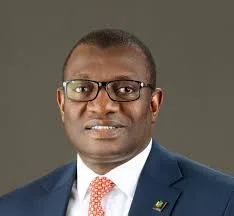
Nigeria's political climate is no stranger to controversy, but recent events have taken a worrying turn. The country's political scene is becoming increasingly volatile as unverified claims and sensational accusations take center stage. This trend, dubbed the "weaponization of fiction" by Isah Abu, threatens to undermine democratic culture and erode public trust. As the country gears up for electoral contests and appointments, the stakes are high. The spread of misinformation and unverified claims can have serious consequences, damaging reputations and swaying public opinion.
The situation is further complicated by Nigeria's complex political landscape, where alliances are forged and broken with ease. In this environment, it's not uncommon for individuals to be targeted with unverified claims in an effort to discredit them. Isah Abu's article highlights the case of Wunti, who has been at the receiving end of such accusations. While the details of Wunti's case are not entirely clear, it's evident that the situation is symptomatic of a larger problem. The proliferation of fake news and sensational accusations is a threat to Nigeria's democratic institutions, and it's essential that the country takes steps to address this issue.
So, what's driving this trend? One possible explanation is the increasing polarization of Nigeria's political landscape. As different factions vie for power, the temptation to use underhanded tactics can become overwhelming. Additionally, the rise of social media has created new avenues for misinformation to spread. In the absence of fact-checking and oversight, it's easy for false claims to go viral, causing irreparable damage to individuals and institutions.
The consequences of this trend are far-reaching, and it's essential that Nigeria's political leaders take a stand against the weaponization of fiction.
But this isn't just a Nigerian problem – it's a global issue. The spread of misinformation and fake news has become a major concern in recent years, with many countries struggling to cope with the consequences. In Nigeria, however, the situation is particularly acute, given the country's complex political landscape and history of instability. As the country moves forward, it's essential that its leaders prioritize fact-based discourse and work to create an environment where misinformation is not tolerated.
Key Facts
- Nigeria's political climate is becoming increasingly volatile
- Unverified claims and sensational accusations are on the rise
- The trend is threatening to undermine democratic culture and erode public trust
- Isah Abu's article highlights the dangers of this trend
- Wunti is a notable example of an individual targeted with unverified claims
- The proliferation of fake news and sensational accusations is a global issue
- Nigeria's complex political landscape is a major contributing factor
- Social media has created new avenues for misinformation to spread
- Fact-checking and oversight are essential in preventing the spread of false claims
The Rise of Fake News
The rise of fake news is a relatively recent phenomenon, but it's had a significant impact on Nigeria's political landscape. In the past, news was largely disseminated through traditional channels, such as print and broadcast media. However, with the advent of social media, it's become easier for individuals to create and share their own content. While this has opened up new avenues for expression and discussion, it's also created opportunities for misinformation to spread. In Nigeria, where internet penetration is increasing rapidly, the potential for fake news to go viral is particularly high.
The consequences of fake news can be severe, ranging from damage to reputations to the incitement of violence. In Nigeria, where ethnic and religious tensions are already high, the spread of misinformation can have devastating consequences. It's essential that the country takes steps to address this issue, including investing in fact-checking initiatives and promoting media literacy. By working together, Nigerians can create a more informed and engaged citizenry, better equipped to navigate the complexities of the country's political landscape.
But addressing the rise of fake news won't be easy. It will require a concerted effort from government, civil society, and individuals, as well as a willingness to confront the underlying issues driving this trend. In Nigeria, where corruption and instability are endemic, it's not uncommon for individuals to turn to unverified sources for information. By addressing these underlying issues, the country can create an environment where fact-based discourse is valued and misinformation is not tolerated.
The Role of Social Media
Social media has played a significant role in the spread of misinformation in Nigeria. Platforms like Facebook, Twitter, and WhatsApp have created new avenues for individuals to create and share content, often without fact-checking or oversight. While these platforms have also opened up new opportunities for expression and discussion, they've created opportunities for fake news to go viral. In Nigeria, where social media penetration is increasing rapidly, the potential for misinformation to spread is particularly high.
The impact of social media on Nigeria's political landscape cannot be overstated. In recent years, the country has seen a proliferation of social media influencers and bloggers, many of whom have built large followings by sharing sensational or unverified claims. While some of these individuals may be motivated by a desire to expose corruption or promote social justice, others are driven by more nefarious intentions. By spreading misinformation and fuelling polarization, these individuals can have a significant impact on public opinion and the country's political discourse.
Yet, it's not all doom and gloom. Social media can also be a powerful tool for promoting fact-based discourse and combating misinformation. In Nigeria, where traditional media outlets are often subject to censorship or manipulation, social media has created new opportunities for independent voices to be heard. By leveraging these platforms, Nigerians can create a more informed and engaged citizenry, better equipped to navigate the complexities of the country's political landscape.
The Importance of Fact-Checking
Fact-checking is essential in preventing the spread of misinformation and promoting fact-based discourse. In Nigeria, where the proliferation of fake news is a major concern, fact-checking initiatives are more important than ever. By verifying the accuracy of claims and exposing falsehoods, fact-checkers can help to create a more informed and engaged citizenry. This, in turn, can help to promote democratic culture and prevent the erosion of public trust.
"The spread of misinformation is a threat to our democracy, and it's essential that we take steps to address this issue. By investing in fact-checking initiatives and promoting media literacy, we can create a more informed and engaged citizenry, better equipped to navigate the complexities of our political landscape."
- Isah Abu
But fact-checking isn't just about exposing falsehoods – it's also about promoting a culture of transparency and accountability. In Nigeria, where corruption and instability are endemic, it's essential that individuals and institutions are held to account for their actions. By promoting fact-based discourse and verifying the accuracy of claims, fact-checkers can help to create an environment where transparency and accountability are valued. This, in turn, can help to promote democratic culture and prevent the erosion of public trust.
The Way Forward
So, what's the way forward for Nigeria? The country faces significant challenges, from the proliferation of fake news to the erosion of public trust. However, by working together, Nigerians can create a more informed and engaged citizenry, better equipped to navigate the complexities of the country's political landscape. This will require a concerted effort from government, civil society, and individuals, as well as a willingness to confront the underlying issues driving these trends.
The first step is to invest in fact-checking initiatives and promote media literacy. By verifying the accuracy of claims and exposing falsehoods, fact-checkers can help to create a more informed and engaged citizenry. Additionally, the country needs to address the underlying issues driving the proliferation of fake news, including corruption and instability. By promoting transparency and accountability, Nigerians can create an environment where fact-based discourse is valued and misinformation is not tolerated.
But the way forward won't be easy. It will require a sustained effort from all stakeholders, as well as a willingness to confront the challenges facing the country. In Nigeria, where the political landscape is complex and often volatile, it's essential that individuals and institutions are held to account for their actions. By promoting fact-based discourse and verifying the accuracy of claims, Nigerians can create a more informed and engaged citizenry, better equipped to navigate the complexities of the country's political landscape.
Conclusion
Nigeria's political climate is at a crossroads. The proliferation of fake news and sensational accusations is threatening to undermine democratic culture and erode public trust. However, by working together, Nigerians can create a more informed and engaged citizenry, better equipped to navigate the complexities of the country's political landscape. This will require a concerted effort from government, civil society, and individuals, as well as a willingness to confront the underlying issues driving these trends. By promoting fact-based discourse and verifying the accuracy of claims, Nigerians can create an environment where transparency and accountability are valued, and misinformation is not tolerated.
The stakes are high, but the potential rewards are significant. By addressing the proliferation of fake news and promoting fact-based discourse, Nigerians can create a more stable and prosperous country, where democratic culture is valued and public trust is maintained. It won't be easy, but the alternative is a country where misinformation and sensational accusations reign supreme, threatening the very foundations of democracy. Nigerians have a choice to make – and the time to make it is now.
The situation is complex, and there are no easy solutions. However, by working together and promoting fact-based discourse, Nigerians can create a more informed and engaged citizenry, better equipped to navigate the complexities of the country's political landscape. This is a challenge that requires a sustained effort from all stakeholders, as well as a willingness to confront the underlying issues driving these trends. By doing so, Nigerians can create a more stable and prosperous country, where democratic culture is valued and public trust is maintained.