

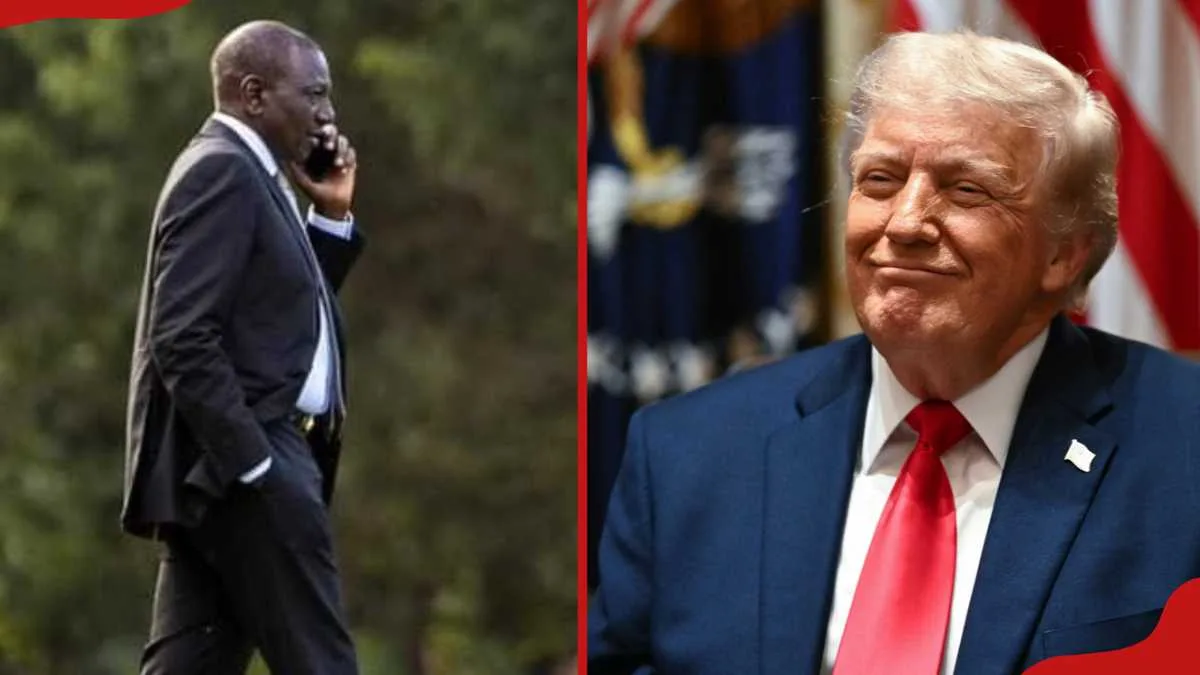
Nairobi is buzzing, and not for the usual reasons. A 50-bed Ebola facility, planned by the United States to treat their own citizens, is set to be planted right in the heart of Laikipia. Nelson Havi, the man who once led the Law Society of Kenya (LSK), has taken a machete to the idea, labeling it a direct threat to the safety of every Kenyan. He isn't just complaining; he's calling for President William Ruto to be impeached, claiming the deal is a dangerous betrayal of national sovereignty.
The deal is, in fact, treason against the People of Kenya. Nelson Havi labels it an impeachable offense. He's calling for President William Ruto to be impeached and sees the plan as a betrayal of national sovereignty.
This isn't just about a hospital bed. The deal comes with a KSh 1.8 billion package meant to boost Kenya's readiness as the virus continues to haunt Central Africa. While the government might see this as an 'international health partnership,' Havi sees a ticking time bomb. He points to the ghosts of 2020, reminding us all of that plane full of suspected COVID-19 cases that the government allegedly failed to track, which he blames for the initial spread of the virus in our country. Nairobi is different, and Havi knows that if you invite a fire into your living room, you can't complain when the curtains start smoking.
The Financials and Political Stakes
Records point to a broader five-year health pact between President William Ruto and Donald Trump, valued at a massive KSh 322 billion. This isn't small change; it's a massive investment. The enormous investment is what seemingly paved the way for the quarantine site, but critics argue that no amount of money justifies importing a high-mortality pathogen into a local community. If the virus were to slip out of the facility, the local health infrastructure would be overwhelmed in days. The deal is part of a much larger web of agreements.
Havi, who is setting his sights on the Westlands MP seat in the 2027 elections, is putting the heat directly on the National Assembly. He wants the lawmakers to be the adults in the room, acting as a true watchdog to kill the plan before it begins. His fear is that even if a court order is slapped on the project, the executive might simply ignore it—a pattern he suggests we've seen too often. For the everyday citizen in Laikipia, this means potentially living next to a high-risk zone while the government chases international validation.
Opposition to this plan is growing louder by the hour. The Kenya Medical Practitioners, Pharmacists and Dentists Union (KMPDU) has already blasted the government, questioning the logic of turning Kenyan soil into a quarantine ground for foreign nationals. The union's stance reflects a growing frustration among health experts who feel sidelined in decisions that directly impact their work and the country's public health safety. Medical professionals, who would be on the front lines, are expressing this much doubt, and it's hard for the average Kenyan to feel at ease. When the very people who would be on the front lines are expressing doubt, it's a cause for concern.
Ultimately, the pressure is now on the MPs to choose a side. Havi has urged Kenyans to flood their representatives with demands to block the deal. Whether this turns into a full-blown constitutional crisis or just another chapter of political theater remains to be seen, but the tension is palpable. The government has to decide if the financial aid is truly worth the risk of a potential public health catastrophe. For now, the people are watching, waiting to see if their voices carry more weight than the KSh 322 billion health deal currently on the table.