

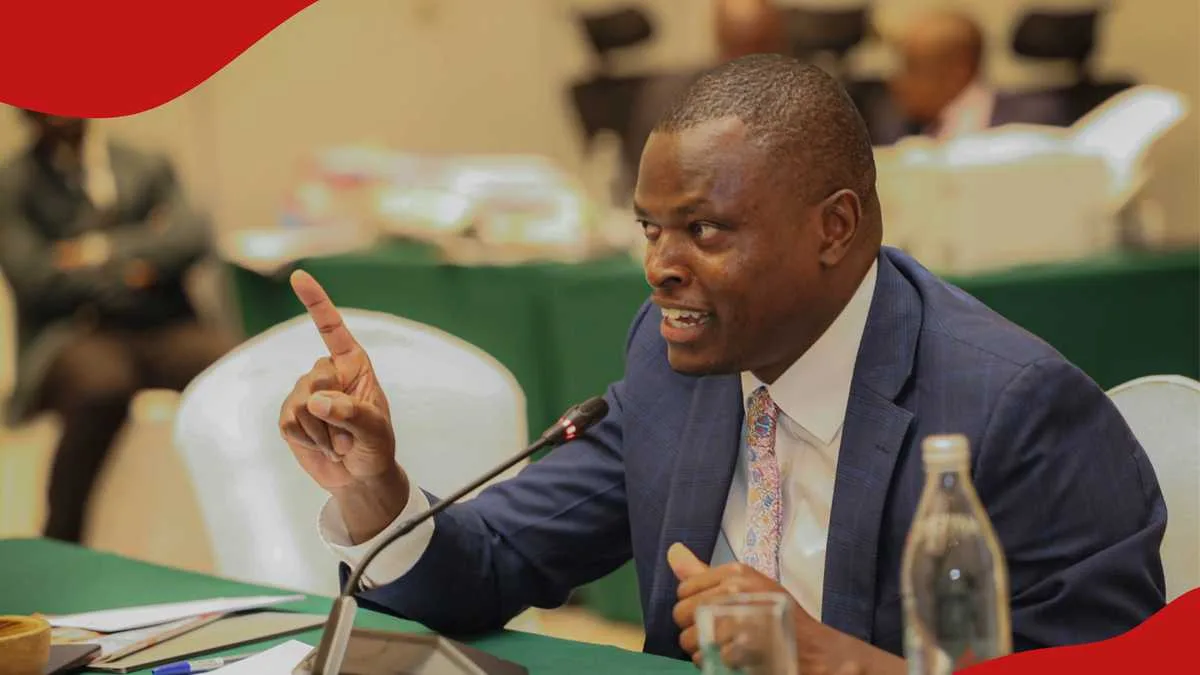
Nairobi isn't different, and today at the Argyle Grand Hotel, things got heated as Kiharu Member of Parliament Ndindi Nyoro faced off with the Budget and Appropriations Committee. The vocal legislator didn't come to play. He brought a basket of radical proposals aimed at bringing down the cost of fuel, which has been draining the pockets of Kenyans for months.
At the heart of his plan is a multi-pronged attack on pump prices. He's pushing for an 8% reduction in Value Added Tax (VAT) and wants to axe the KSh 7 fuel levy that was introduced back in 2024. He didn't stop there, though. He’s also targeting the profit margins of oil importers and distributors, while suggesting a KSh 5 billion subsidy boost specifically for petrol to keep the cost manageable for the common mwananchi.
"Many Kenyans are burdened by the rising cost of fuel," Nyoro argued, painting a picture of an economy that's struggling to breathe under the current fiscal regime.
To fund this expensive ambition, the lawmaker claims he has a roadmap to raise between KSh 40 and 50 billion. He argues that these adjustments aren't just wishful thinking; they're a necessary intervention to stabilize the local market. The proposal is a direct response to the economic squeeze that has seen transport costs balloon. This situation is impacting everything from food prices to the cost of doing business in cities like Nairobi and Mombasa.
The session quickly descended into a verbal tussle. Some committee members accused him of playing to the gallery, suggesting his move was more about political optics than actual economic reform. Khwisero MP Christopher Aseka didn't hide his skepticism, questioning why Nyoro was so keen on slashing fuel taxes while remaining silent on the VAT affecting electricity bills.
Nyoro, however, was in no mood to back down. When pressed on his personal investments, including his shareholding in the Kenya Power and Lighting Company (KPLC), he defended his portfolio as independent of his legislative duties. The atmosphere grew even more tense when committee member Atandi interjected to block a debate on the securitisation of the Fuel Maintenance Levy. This action effectively shut down one of the most contentious parts of the discussion.
This isn't the first time Nyoro has made noise about the economic situation. Back on May 16, he sent a formal request to the National Assembly Speaker, Moses Wetangula, demanding a special parliamentary sitting while the House was supposed to be on recess. His argument has been consistent: the current economic hardship is too severe to wait for the standard legislative calendar to resume.
As the session dragged on, it became clear that the gap between the MP’s populist proposals and the realities of government revenue is massive. The committee remains the gatekeeper. With members already questioning the logic behind picking fuel over other taxable sectors, the path to these amendments becoming law is filled with hurdles. The debate serves as a loud reminder of just how deep the fuel crisis runs in the country's collective consciousness.