

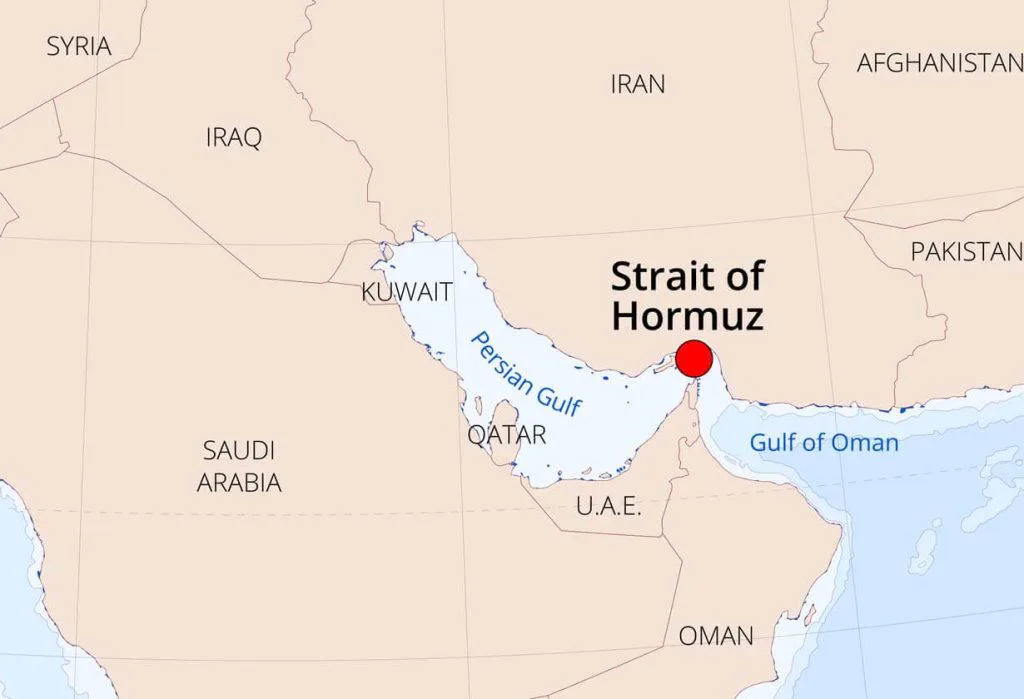
The single sharpest fact is this: Iran plans to charge ships transiting the Strait of Hormuz, a vital waterway that carries one-fifth of the world’s crude oil and liquefied natural gas.
This comes after Iran’s ambassador to China, Abdolreza Rahmani Fazli, assured a forum in Beijing that 'friendly’ nations would receive special treatment. The Iranian government is working on new arrangements with Oman to ensure the security of passage through the Strait of Hormuz.
Abdolreza Rahmani Fazli is no stranger to diplomacy. He has been Iran’s ambassador to China since 2015 and has been a key player in negotiating several high-profile deals between the two nations. His comments come at a time when tensions between Iran and the US are still running high.
The Strait of Hormuz is a 90-kilometer-wide waterway that connects the Persian Gulf to the Gulf of Oman. It is a crucial route for international trade, with millions of barrels of oil passing through it every day. Any disruptions to this route would have a significant impact on global oil prices.
Iran’s decision to charge ships passing through the Strait of Hormuz comes after the country’s agreement with the US to end the Middle East war. The initial deal allowed commercial ships to pass through the strait free of charge for 60 days.
The new arrangements being worked out between Iran and Oman will include measures to guarantee the security of passage, supervision of vessel passage, and environmental consequences of massive shipping. Rahmani Fazli emphasized that these measures would not be a toll, but a necessary step to ensure the safe passage of ships.
Iran’s stance has been met with skepticism by the US, which has rejected the idea of charging fees for ships passing through the Strait of Hormuz. The US has maintained that the strait is an international waterway, and any fees charged by Iran would be a form of economic warfare.
The implications of Iran’s decision are significant. If the country goes ahead with its plans to charge ships passing through the Strait of Hormuz, it could lead to a significant increase in oil prices globally.
The decision also raises questions about the future of international trade in the region. Will other countries follow Iran’s lead, or will the US use its influence to prevent any disruptions to the global oil supply?
As the situation continues to unfold, one thing is certain: the Strait of Hormuz will remain a crucial waterway for international trade, and any disruptions to it will have far-reaching consequences.
Key Facts
- The Strait of Hormuz carries one-fifth of the world’s crude oil and liquefied natural gas.
- Iran plans to charge ships passing through the Strait of Hormuz, but will give ’friendly’ nations a break.
- The new arrangements being worked out between Iran and Oman will include measures to guarantee the security of passage, supervision of vessel passage, and environmental consequences of massive shipping.
- Abdolreza Rahmani Fazli has been Iran’s ambassador to China since 2015.
- The initial deal between Iran and the US allowed commercial ships to pass through the Strait of Hormuz free of charge for 60 days.
The situation in the Strait of Hormuz highlights the complex nature of international relations in the region. With tensions between Iran and the US running high, it is unclear what the future holds for this crucial waterway.
In the face of rising tensions, one thing is clear: the Strait of Hormuz will remain a focal point for international trade and politics in the region. As the situation continues to unfold, it is essential to follow the developments closely and understand the implications for global trade and security.