

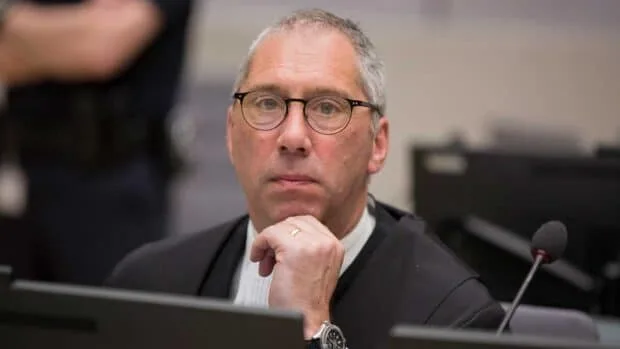
The legal camp of former Philippine President Rodrigo Duterte has officially asked the International Criminal Court (ICC) to take another look at his health status. They’re arguing that his physical condition needs a fresh evaluation before his trial can proceed. This move comes as a surprise since a court-appointed group of medical experts already gave him the green light to face his charges just five months ago. They found that he was fully capable of participating in all the legal proceedings at that time.
Disagreement over physical stability
At the heart of this latest motion is a dispute over how much the former leader's balance issues impact his ability to stand trial. The ICC Registry, which handles the administrative side of the tribunal, recently looked into claims that Duterte has been losing his balance or suffering from accidental falls. Their conclusion was straightforward: these incidents are rare and are essentially common occurrences for a man of his age. This administrative finding hasn't sat well with his defense team, who are now doubling down on their request for more formal or updated medical scrutiny.
The path toward the ICC courtroom
This legal drama revolves around the ongoing investigation into the widespread "War on Drugs" that marked his presidency. The ICC has been looking into alleged crimes against humanity linked to the bloody crackdown that occurred across various Philippine cities. For years, the former president was a dominant figure in local politics, known for his aggressive rhetoric and massive public popularity. Critics frequently raised alarms about the human cost of his policies during that time. The transition from Malacañang Palace to a holding cell in The Hague has been a slow, complex process.
It involves years of back-and-forth between local authorities and international prosecutors.
What happens when a trial hits a health snag
When a high-profile defendant challenges their fitness to stand trial, the court enters a delicate phase. If the defense successfully proves that the accused can't comprehend the proceedings or assist in their own defense due to medical reasons, the trial could theoretically be paused or shifted in focus. However, the ICC has strict standards for these claims. They often rely on independent doctors to strip away the politics and look at the raw biological data. For the Filipino public, who watched these events unfold from the streets of Manila to the provinces, this trial represents a landmark moment in judicial accountability.
The reality of international justice
Trials at the ICC are notoriously slow. They often stretch over many years due to the sheer volume of witnesses and evidence. The court must balance the need for justice for victims with the requirement that the accused receives a fair hearing, including reasonable accommodations for their health. Observers are now questioning whether this new assessment will change the trajectory of the case or simply add another layer of paperwork. The court proceedings remain complex, and the answer to how the schedule will change isn't immediately clear.
The judges will eventually decide if the previous fitness assessment is now outdated or if the defense must proceed with the trial as planned. The anticipation alone keeps the public glued to the updates.