

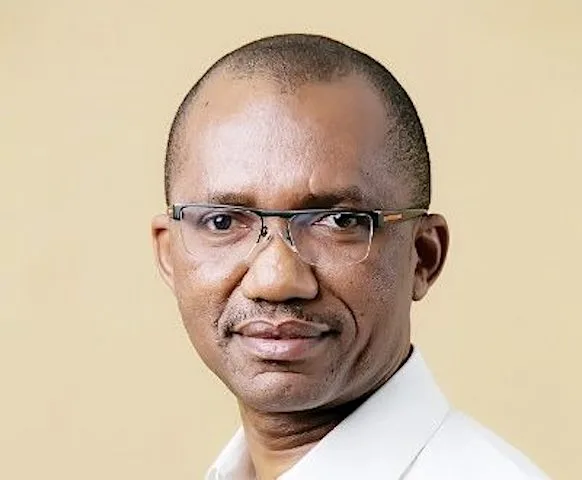
A veteran Nigerian journalist landed in the United States this week, and he was terrified before the plane even touched down.
Azu Ishiekwene, a columnist and former editor, took a three-week break from writing to visit America — a country he once loved. But he almost cancelled the trip.
"America didn't quite look like the place it used to be, not just for me but even for many decent US citizens who've seen their country change in a rather grotesque way these past few months," he wrote.
Ishiekwene's fears are rooted in real policy changes since Donald Trump won a second term in 2024. Since January 2026, Nigeria has been on a partial US travel restriction list. Eleven other African countries — Burkina Faso, Chad, Mali, Niger, Somalia and others — face a full ban.
Getting a new visa is nearly impossible. "Even getting an interview date would take months, if not up to one year," Ishiekwene wrote. Non-immigrant visas are now single-entry, valid only three months. And the vetting process is brutal — "could require the presentation of your grandmother's wisdom tooth," he joked.
Ishiekwene is lucky. He still has two years left on a five-year visa issued before Trump's second term. But having a valid visa is no guarantee of entry.
US Customs and Border Protection (CBP) officers can search phones and review social media posts. In 2025, CBP conducted more than 55,424 electronic-device searches, according to WIRED magazine.
Two recent cases haunt Ishiekwene. The US revoked the visa of Professor Wole Soyinka, Africa's first Nobel laureate, after he compared Trump to Ugandan dictator Idi Amin. And days before Ishiekwene's trip, Somali FIFA referee Omar Abdulkadir Artan had his valid visa revoked on arrival, accused of alleged terrorist links — a charge he denies.
Ishiekwene noted the irony: Trump once called Nigeria a "shithole country" based on dubious information. Yet critics who speak out face retaliation.
"It never was so in the last over o" — Azu Ishiekwene, lamenting the change in America's welcoming spirit.
Despite his anxiety, Ishiekwene decided to make the trip. He wanted to see if the America he once knew — warm, generous, diverse — still exists. Or if the country has been consumed by "ferocious meanness, fear of otherness and narrow-minded insularity."
Under a new plan taking effect this June, US consular posts in Africa may be significantly reduced, further raising visa costs and restricting access. That could make visits even harder for Nigerians and other Africans.
Ishiekwene's experience isn't unique. Many Nigerians with valid visas now face hours of questioning at US airports. Some are turned back. The message is clear: America under Trump isn't as open as it used to be.
For a journalist who's traveled to over 40 countries without incident, this is a painful reality. "America used to be my favourite holiday spot," he said. Now, it feels like a place that doesn't want him.