

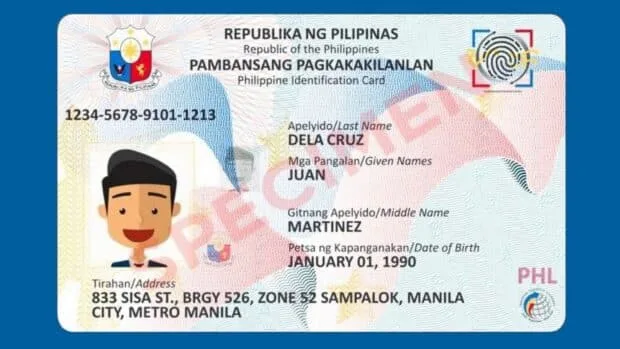
If you spent half a day in a crowded gymnasium back in 2021 or 2022 hoping to secure your Philippine Identification System (PhilSys) card, you aren't alone. You’ve likely checked your mailbox or visited the local post office more times than you care to admit, only to come home empty-handed. While the digital versions are now circulating, the physical plastic ID that many Filipinos view as the ultimate proof of identity remains stubbornly elusive for a vast majority.
Johndel Christofer Dunting, who serves as the Registration Officer III of the Philippine Statistics Authority in Central Visayas (PSA-7) and acts as the regional focal person for the National ID project, recently shed light on the mess. He explained that this isn't just one single point of failure but a domino effect of technical and logistical headaches. The agency has been battling a combination of manual identity verification hurdles and rigorous quality control measures. These safeguards ensure your data doesn't end up in the wrong hands or get printed with errors.
"There are several factors that continue to slow down the release of physical National ID cards, from manual identity verification and quality control issues to the expiration of the government’s printing contract."
Beyond the technical verification process, the bureaucracy hit a major wall regarding the paper trail and legal procurement. The contract between the government and the printing services provider reached its sunset phase, effectively halting the massive machines that churn out the IDs. This expiration meant that even if your data was verified and ready for production, the actual physical manufacturing process couldn't legally proceed until new agreements were signed or existing ones were renewed.
The scale of this rollout was always ambitious. Launched to streamline how Filipinos access everything from bank accounts to government social services, the system was designed to unify the scattered, often confusing array of IDs required by different agencies. The Philippines has a population of over 110 million people. Consequently, the logistical task of verifying every single thumbprint and photograph against existing records has become a task of epic proportions.
For many living in provinces or far-flung areas, the promise of a single ID was supposed to be a game-changer. It was meant to bypass the days when you needed a birth certificate, a passport, and a utility bill just to open a simple savings account. Without the physical card, many are forced to rely on printouts of the digital ID. Some traditional establishments still look at these with suspicion or flat-out rejection, despite government mandates stating they should be accepted.
The Reality of the Printing Bottleneck
- The PSA has encountered significant backlogs due to the need for strict manual verification of applicant data before it can be sent to the presses.
- Quality control measures are currently designed to filter out blurry photos or mismatched biometric data, which further adds to the lead time.
- The expiration of the primary printing contract has created a legal and operational pause that forces applicants to wait for new procurement cycles.
- Regional offices like PSA-7 are tasked with managing the expectations of frustrated applicants who have been waiting for upwards of two to three years in some cases.
- The transition to digital formats is the PSA’s strategy to bridge the gap, but the physical card requirement continues to cause friction in daily transactions.
The sheer volume of registrants caught the system off-guard. When the rollout began, hundreds of thousands of people flocked to registration sites at the same time. The infrastructure wasn't just handling new applicants; it was trying to clean up decades of duplicate records and missing documentation from the old system. The PSA is now playing a game of catch-up while trying to modernize the security features on the cards themselves to prevent the rampant counterfeiting that plagued previous iterations of government documents.
If you haven't received your card, you aren't being singled out. The government is caught between the need to maintain high security standards and the crushing reality of a massive logistical contract that expired before the job was finished. While you wait for your plastic card to finally arrive, your best bet remains keeping your transaction slip safe and keeping your digital copy handy. The physical queue isn't moving with the speed most of us were promised when we first lined up.