

President Donald Trump says the US and Iran will sign a framework peace deal on Sunday, June 14 — his 80th birthday. Tehran says no, not tomorrow.
Pakistani Prime Minister Shehbaz Sharif backed Trump's timeline, saying Islamabad is preparing for an electronic signing on Sunday, with technical talks to follow. But Iranian Foreign Ministry spokesperson Esmaeil Baghaei, speaking before Trump's post, told state media: "It won't be tomorrow." He said it could happen "in the coming days."
The proposed memorandum of understanding would end months of fighting that began when the US and Israel launched a war against Iran on February 28. A key term: Iran must reopen the Strait of Hormuz, the narrow waterway that carried 20% of the world's oil before the conflict. Trump wrote on Truth Social that the strait would be "open to all" immediately after signing.
In return, the US would lift its naval blockade, release billions in frozen Iranian assets, and waive oil sanctions. A US official said the strait would be demined, possibly with help from G7 countries.
But Iran's Fars news agency quoted Baghaei saying Iran must charge for services in the strait and that foreign military bases in the region must end. The US official said the agreement would ultimately lead to dismantling Iran's nuclear program, with its stockpile of highly enriched uranium destroyed and removed. Nuclear talks would follow during a 60-day period.
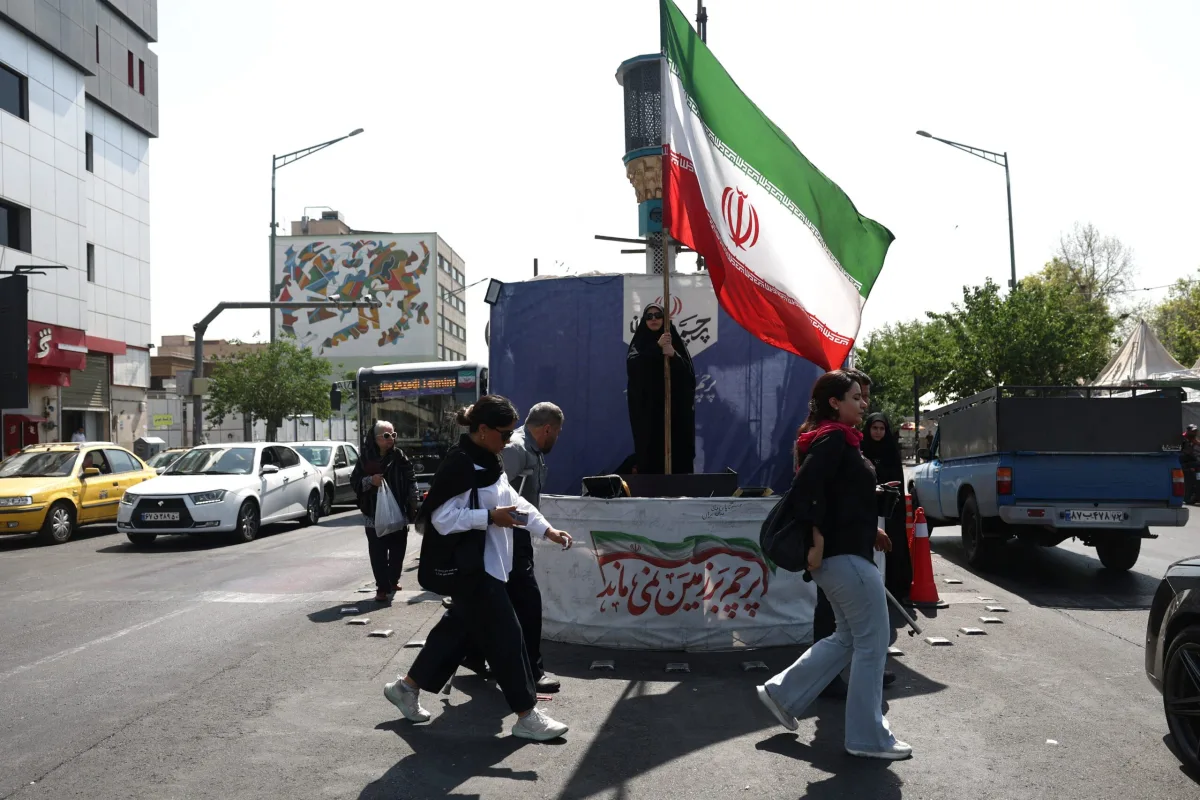
Inside Iran, hardliners aren't happy. Videos on social media and Iranian news websites showed protesters gathering in squares and in front of the Foreign Ministry in Tehran. They chanted at Foreign Minister Abbas Araqchi: "Araqchi have some shame, let go of America!" In the northeastern city of Mashhad, some shouted: "Death to the compromiser" and "Compromiser, resign." Reuters couldn't independently verify the videos.
The war has heavily degraded Iran's military, but experts say it's left the hardline Revolutionary Guard more entrenched. Trump had called on Iranians to rise up when the war started, but now protests are against the deal.
Clashes continue even as talks progress. Early Saturday, US forces shot down multiple Iranian one-way attack drones heading toward the Strait of Hormuz, the US military said.
Israel, which says it isn't a party to the deal, struck more than 70 sites in Lebanon against Iranian ally Hezbollah over a 24-hour period. Prime Minister Benjamin Netanyahu has clashed with Trump over US demands that Israel curb military action in Lebanon to allow the deal.
On Friday, Araqchi said the tentative agreement showed Iran had emerged stronger from the conflict. Trump discussed the efforts with British Prime Minister Keir Starmer on Saturday.