

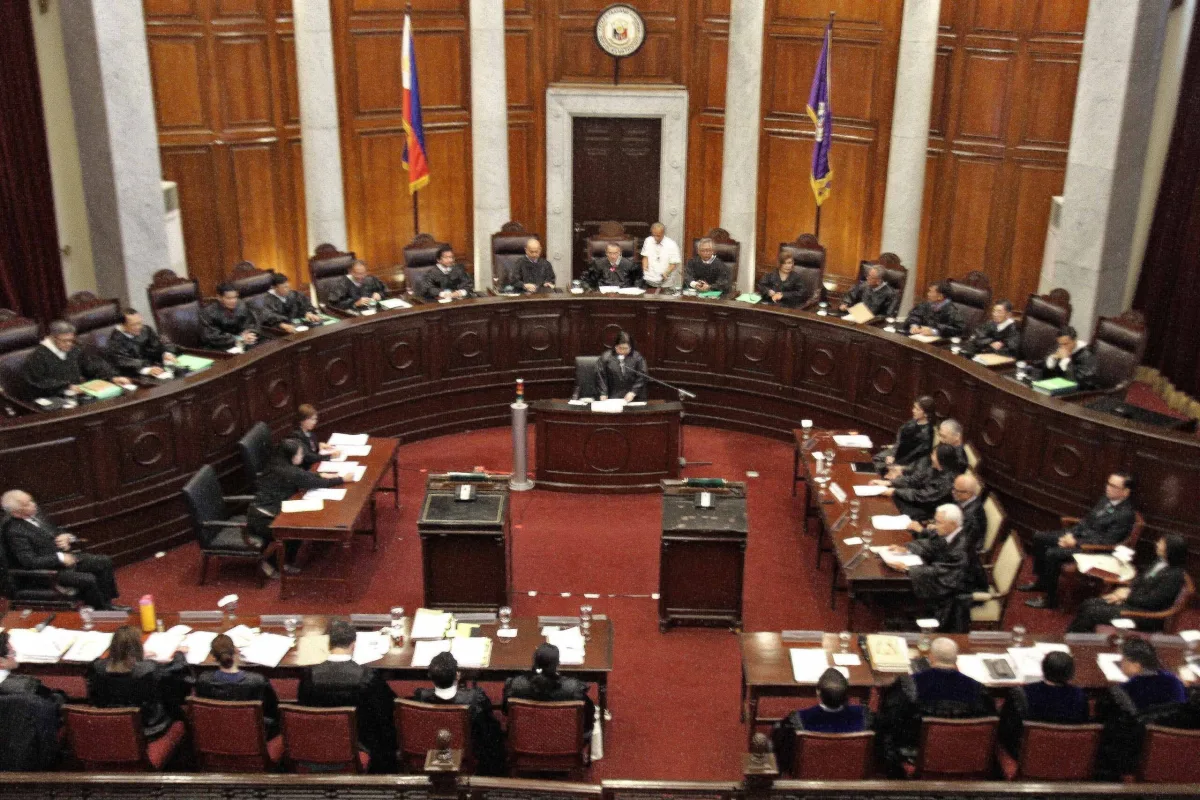
The Supreme Court has upheld the constitutionality of the National Electrification Administration (NEA) Reform Act of 2013, dealing a blow to electric cooperatives that argued the law violated their constitutional protections.
In a 45-page decision written by Associate Justice Maria Filomena Singh, the SC en banc dismissed the consolidated petitions filed by the Philippine Federation of Electric Cooperatives (Philfeco) and members of their governing bodies. The petitioners had sought to block Republic Act No. 10531 and its implementing rules.
The Court ruled that the law is a valid exercise of the state's police power. It said electric cooperatives operate under legislative franchises and are therefore subject to government regulation. The public nature of their services justifies state oversight to prevent abuse and inefficiency, the SC added.
The petitioners had argued that the law violated Article XII of the 1987 Constitution, which promotes cooperatives and protects their right to broaden ownership and be supervised by a government agency tasked with supporting cooperative development. They specifically challenged provisions allowing NEA to intervene in financially troubled cooperatives, exercise disciplinary authority, and appoint independent directors under Sections 5 and 6 of the law.
They also claimed that Sections 10 and 11, which set qualifications and disqualifications for cooperative officers and board members, were discriminatory. They argued that the law treated electric cooperatives registered with the Cooperative Development Authority (CDA) the same as those registered with NEA, while applying different rules to privately owned electricity distributors. This, they said, violated the equal protection clause.
But the SC disagreed. "In order to perform such mandate, it's reasonably necessary that the NEA exercise a certain degree of supervision and control over the operations of all electric cooperatives. The law precisely envisions a proactive government that pushes electric cooperatives to their highest possible operational fitness," the Court stated.
The respondents in the case included former executive secretary Paquito Ochoa, former Energy secretary Carlos Jericho Petilla, former Budget secretary Florencio Abad, former NEA administrator Edita Buena, former CDA chairman Emmanuel Santiaguel, former Securities and Exchange Commission chairman Teresita Herbosa, and former leaders of the Senate and House of Representatives during the administration of late president Benigno Aquino III.
It was Aquino who signed RA 10531 into law on May 7, 2013, expanding NEA's oversight powers over electric cooperatives. The law was enacted to address long-standing issues of inefficiency and mismanagement in many electric cooperatives across the country, which had led to frequent power interruptions and high electricity rates for consumers.
With the SC ruling, NEA can now continue to exercise its powers to intervene in cooperatives that are financially troubled, discipline erring officers, and appoint independent directors to ensure better service to the public. The decision effectively ends the legal challenge that had been pending for years.
For ordinary Filipinos, this means the government's efforts to hold electric cooperatives accountable are here to stay. Consumers in areas served by poorly performing cooperatives can expect continued oversight, which could lead to improved service and more stable electricity rates.