

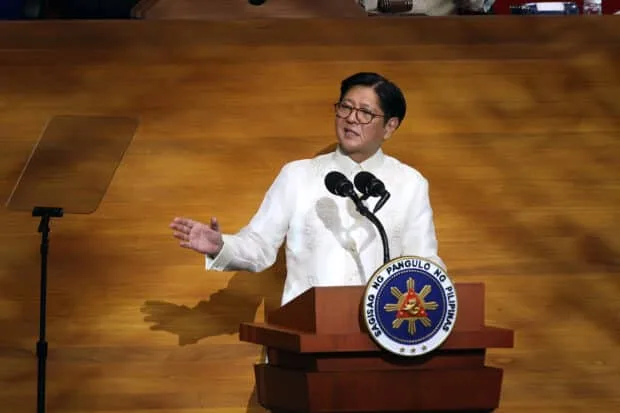
MANILA, Philippines – It's hard to forget the moment when President Ferdinand Marcos Jr. took center stage in the Philippine Congress and delivered a stern warning to those embroiled in corruption. In his 2025 State of the Nation Address (Sona), Marcos Jr. called out alleged wrongdoers with a sharp 'Mahiya naman kayo' (you should feel ashamed), marking a stark departure from his previous speeches.
The eventful Sona, however, is perhaps best remembered for Marcos Jr.'s commitment to bringing down the cost of rice. With the aim of making rice more affordable for Filipino families, the President promised to cut down the price of the staple food to just P20 per kilogram. While this promise sent shockwaves throughout the nation, the road to achieving this goal won't be easy.
The Philippine government operates a complex food subsidy system, with many stakeholders involved. The National Food Authority (NFA) is the primary agency responsible for procuring and distributing rice to consumers, particularly in low-income communities. Marcos Jr. plans to utilize NFA's infrastructure to bring down the price of rice.
A closer look at Marcos Jr.'s Sona speech reveals a President committed to tackling corruption and improving the lives of ordinary Filipinos. However, the implementation of his P20/kg rice plan poses significant challenges. The current market price of rice is around P40-50 per kilogram, making the proposed target a significant reduction.
The government's plan to reduce the price of rice relies on several factors, including securing sufficient supply from local farmers and implementing mechanisms to reduce middlemen's profit margins. This strategy is ambitious and will require strong support from various stakeholders, including farmers, distributors, and lawmakers.
In line with the P20/kg rice initiative, Marcos Jr. also announced plans to create jobs and increase economic opportunities for low-income Filipinos. By investing in agricultural development and expanding social services, the government aims to boost rural economies and help those who have been left behind by the country's growth.
One crucial aspect of Marcos Jr.'s plan is the proposed creation of a Rice Competitiveness Enhancement Fund (RCEF). This fund aims to support farmers in improving their skills and competitiveness, making them more resilient to market fluctuations.
The success of Marcos Jr.'s P20/kg rice promise will be determined by the government's ability to implement key measures, including the RCEF. By working closely with farmers, distributors, and local communities, the administration hopes to create a more equitable and just food system that benefits everyone.
As the deadline for fulfilling this promise draws near, the nation is watching with bated breath. Will Marcos Jr. be able to deliver on his promise of affordable rice? Only time will tell.