

450-word article in markdown
A group of 25 experts from various fields has expressed alarm over the potential effects of the Olongapo Solar Power Project on the environment, indigenous people, and the local community.
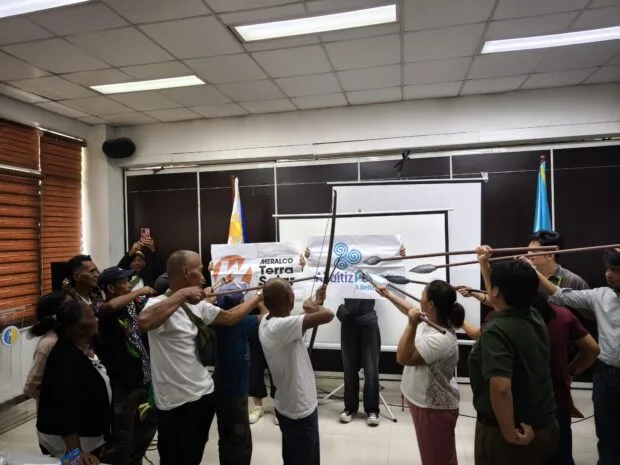
The group, led by KATRIBU Secretary-General Renato Reyes Jr., conducted a 3-day Environmental Investigative Mission (EIM) in May 2026 in four barangays affected by the existing and proposed phases of the solar project—Santa Rita, New Cabalan, Old Cabalan, and Gordon Heights. The EIM aimed to identify potential environmental and social impacts of the project on the area.
During the mission, the team observed widespread deforestation and encroachment on ancestral lands of the Aeta community. They also found evidence of contamination of water sources and soil degradation due to the project's existing operations.
KATRIBU Secretary-General Renato Reyes Jr. warned that the expansion of the solar project could lead to the loss of livelihoods for the affected communities. 'The project may not only harm the environment but also displace people who have lived there for generations,' Reyes said in a statement.
The Olongapo Solar Power Project is a 50-megawatt solar farm developed by the Aboitiz Group. The project was initially proposed in 2018, but its expansion plans were put on hold due to concerns from the local community and environmental groups.
Reyes urged the Aboitiz Group and the local government to address the concerns of the affected communities and ensure that the project is implemented in an environmentally and socially responsible manner.
According to the EIM report, the project's expansion could affect over 500 families living in the four barangays. The report also highlighted the potential risks to biodiversity, including the loss of habitats for endangered species.
The local government has yet to respond to the findings of the EIM report. The Aboitiz Group has not commented on the matter.
### Key Facts
- Over 500 families living in the four barangays could be affected by the project's expansion.
- The project's expansion could lead to the loss of habitats for endangered species.
- The EIM team observed widespread deforestation and encroachment on ancestral lands of the Aeta community.
- The project's existing operations have contaminated water sources and degraded soil.
- The expansion of the project could affect the livelihoods of the affected communities.
### Environmental and Human Rights Concerns
The Olongapo Solar Power Project has been met with resistance from local communities and environmental groups due to concerns over its potential impacts on the environment and human rights.
The project's expansion plans have been put on hold due to concerns from the local community and environmental groups. The Aboitiz Group and the local government have been urged to address the concerns of the affected communities and ensure that the project is implemented in an environmentally and socially responsible manner.
The Philippines has been criticized for its lack of enforcement of environmental laws and its failure to protect the rights of indigenous peoples.
### Olongapo Solar Power Project Background
The Olongapo Solar Power Project is a 50-megawatt solar farm developed by the Aboitiz Group. The project was initially proposed in 2018, but its expansion plans were put on hold due to concerns from the local community and environmental groups.
The project aims to provide clean and renewable energy to the local community. However, its expansion plans have raised concerns over its potential impacts on the environment and human rights.
### Conclusion
The Olongapo Solar Power Project has sparked concerns over environmental and human rights issues. The Aboitiz Group and the local government must address the concerns of the affected communities and ensure that the project is implemented in an environmentally and socially responsible manner.
A joint statement from environmental and human rights groups expressed alarm over the potential impacts of the project on the environment and indigenous people. 'The project may not only harm the environment but also displace people who have lived there for generations,' the statement read.
The case highlights the need for stronger environmental and human rights regulations in the Philippines. The country has been criticized for its lack of enforcement of environmental laws and its failure to protect the rights of indigenous peoples.
The Olongapo Solar Power Project has sparked a heated debate over the role of renewable energy in the country. While renewable energy is seen as a solution to the country's energy crisis, its implementation must be done in a responsible and sustainable manner.
The project's expansion plans have been put on hold due to concerns from the local community and environmental groups. The Aboitiz Group and the local government have been urged to address the concerns of the affected communities and ensure that the project is implemented in an environmentally and socially responsible manner.
The Olongapo Solar Power Project has sparked concerns over environmental and human rights issues. The Aboitiz Group and the local government must address the concerns of the affected communities and ensure that the project is implemented in an environmentally and socially responsible manner.
The Philippines has been criticized for its lack of enforcement of environmental laws and its failure to protect the rights of indigenous peoples.