

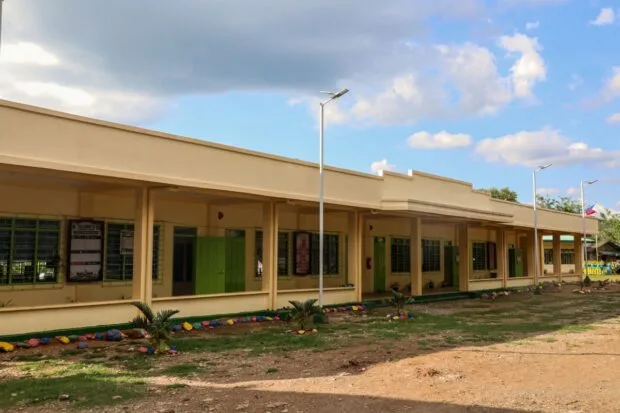
For years, students and teachers in Doña Remedios Trinidad had to wade through muddy paths just to reach school. A newly completed 67.93-kilometer bypass road has finally changed that.
The Department of Education (DepEd) announced on Thursday that the Doña Remedios Trinidad-Dingalan Bypass Road is now fully operational. The road, built by the Department of Public Works and Highways (DPWH), directly serves remote Last Mile Schools like Talamsi I and Talamsi II Elementary Schools.
These schools are in the mountainous municipality of Doña Remedios Trinidad in Bulacan. Before the road, the only way to get there was through impassable muddy paths. That made basic education a daily struggle for both learners and teachers.
Last Mile Schools are DepEd's term for schools in the most geographically isolated and disadvantaged areas. They often lack basic infrastructure like roads, electricity, and water. The new bypass road solves one of their biggest problems: access.
The road stretches 67.93 kilometers. It connects Doña Remedios Trinidad in Bulacan to Dingalan in Aurora province. That means it doesn't just help Bulacan schools — it also opens up travel between the two provinces.
DepEd said the road is already transforming education in the area. Teachers no longer have to worry about getting stuck in the mud. Students can attend classes more regularly. Attendance and learning outcomes are expected to improve.
The project is part of the government's broader push to reach Last Mile Schools nationwide. The DPWH has been building farm-to-market roads and school access roads under the "Build, Better, More" program. This bypass road is one of the largest completed so far.
For the communities in Doña Remedios Trinidad, the road means more than just school access. It also opens up economic opportunities. Farmers can now bring their goods to market faster. Residents can travel to town centers without waiting for the dry season.
But the biggest impact is on the children. Talamsi I and Talamsi II Elementary Schools now have a reliable route for students and teachers. No more cancelled classes because of rain. No more hours-long treks through mud.
DepEd said it'll continue to work with DPWH to identify other Last Mile Schools that need similar infrastructure. The goal is to ensure that no Filipino child is left behind because of geography.
The bypass road is a concrete example of how infrastructure can directly improve education. It's not just about building roads — it's about giving children a fair chance to learn.