

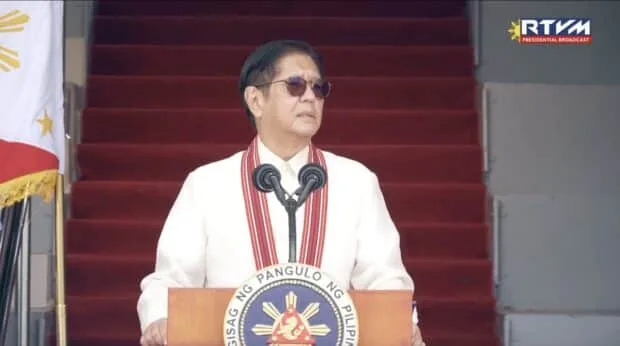
President Ferdinand Marcos Jr. took to the podium today to address the nation as Filipino Muslims observe Eid’l Adha, the Feast of Sacrifice. In a message released early this Wednesday, the President encouraged his fellow citizens to look past their own selfish wants and find strength in the act of giving. He pointed to the story of Prophet Ibrahim, whose willingness to sacrifice his son out of devotion is a central pillar of this holy day.
As we reflect on the story of Prophet Ibrahim, this sacred occasion reminds us of the power of unwavering faith, complete submission to Allah’s will, and trust in a purpose greater than ourselves.
For those who might not know, Eid’l Adha, or 'Festival of Sacrifice,' is one of the two most important festivals in Islam globally. It honours the willingness of Prophet Ibrahim to follow Allah’s command to sacrifice his son. Just as the knife was about to fall, the story goes that a ram was provided as a substitute, symbolising mercy and obedience. In Manila and across the provinces, this usually means big family gatherings and the distribution of meat to those in need. This holiday promotes sharing, which fits perfectly with the President’s call to think of others before ourselves.
The Significance of Sacrifice in Modern Philippines
President Ferdinand Marcos Jr. has been vocal about the need for 'national unity' since he assumed office in 2022. By connecting the religious significance of this day to his broader political narrative, he’s trying to bridge the gap between faith and duty. You have to wonder if this message of sacrifice will actually resonate with people struggling with high commodity prices at the palengke. A kilo of beef or goat meat, often used for the traditional feast, isn't cheap these days. The act of sharing remains a non-negotiable part of the ritual.
Historically, the observance of Eid’l Adha in the Philippines has been a public holiday, allowing thousands of Filipino Muslims to head to mosques like the Golden Mosque in Quiapo. The government’s official recognition of this day highlights the multicultural fabric of our nation. It’s not just a religious event; it’s a cultural cornerstone that reminds us that we’re all part of one bigger, complicated community. For many, this holiday offers a much-needed break from the relentless grind of traffic and work in Metro Manila.
When leaders speak about 'looking beyond personal desires,' they often mean setting aside political bickering for the common good. Whether that translates into better policy or just sounds good on a morning press release, the sentiment is something most of us can agree on. The spirit of the holiday is grounded in generosity, not gain. If you’re celebrating today, it’s likely you’re already busy preparing food to give away to your neighbours or relatives, which is exactly the point of the day.
Eid’l Adha also serves as a time for pilgrimage to Mecca, known as Hajj, for those who can afford it. While most Filipinos will spend the day in their local barangays, the connection to the global ummah—or the worldwide Muslim community—remains strong. It’s a beautiful reminder that despite our different backgrounds, our capacity for empathy is what really keeps our society moving. Whether you’re Muslim or not, the message of letting go of the 'I' to help the 'we' is a classic lesson that never gets old. That is the real sacrifice we need to make more often, diba?