

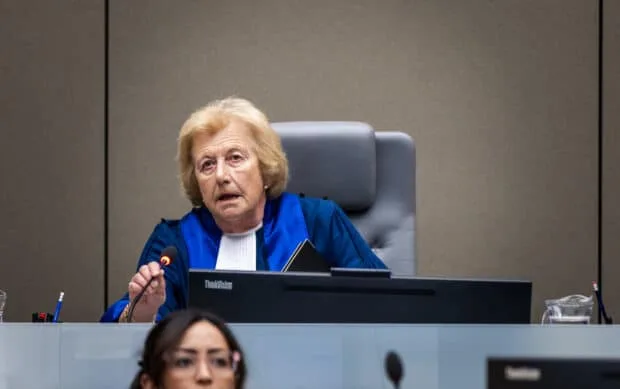
The legal machinery of the International Criminal Court (ICC) is finally grinding into gear, focusing on the highly anticipated trial of former Philippine President Rodrigo Duterte. Earlier today, Judge Joanna Korner, who's presiding over Trial Chamber III, convened a session to hammer out the nitty-gritty of scheduling. Lawyers for both the prosecution and the defense spent their energy discussing exactly when to hand over piles of evidence. This is a critical step before any witness takes the stand.
Judge Korner, known for her no-nonsense approach in international law, is currently steering the ship through these preliminary waters. Her role is to ensure that both sides play by the rules. She's making sure the defense has enough time to review the claims against their client while keeping the trial from dragging on forever. For those of us watching from Manila, it feels like the waiting game is finally shifting into active motion.
At the heart of this case is the controversial war on drugs that defined Rodrigo Duterte’s term from 2016 to 2022. The allegations involve thousands of deaths during police operations. Human rights groups claim these killings weren't just standard law enforcement but part of a systematic campaign. The ICC prosecutor is tasked with proving that these events fall under their jurisdiction for crimes against humanity. Rodrigo Duterte has long maintained that his policies were necessary to protect the country from the grip of illegal substances.
He has often dismissed the court's authority entirely.
This evidence disclosure process is essentially the biggest homework assignment in the history of Philippine politics. The prosecution needs to provide the defense with every piece of paper, every recording, and every witness statement they plan to use to prove their case. If the prosecution holds back key evidence, the judge can stop the trial in its tracks. If the defense doesn't get enough time to read through these thousands of pages, they can cry foul and claim the trial is unfair.
- Trial Chamber III is the specific ICC branch handling the case, with Judge Joanna Korner leading the bench.
- The legal process centers on the alleged crimes against humanity tied to the nationwide drug campaign.
- Disclosure of evidence is the current technical phase, ensuring both sides have equal access to the case files.
- The ICC remains based in The Hague, Netherlands, thousands of miles away from the streets where these incidents occurred.
- The former president has consistently questioned the legitimacy of the ICC, arguing that the Philippines withdrew from the Rome Statute, the treaty that created the court, back in 2019.
Legal experts note that the ICC usually doesn't have a police force to make arrests. Instead, they rely on the cooperation of member states or nations willing to play ball with international subpoenas. For now, the focus is strictly on the courtroom schedule. The lawyers are currently locked in a battle of calendars. They're trying to balance the need for speed with the reality that this case involves a massive mountain of documents.
It’s not just about lawyers sitting in a room. It’s about the massive logistical nightmare of preparing a trial that could change how history remembers the past decade of governance in the Philippines.
Watching the process move, you can’t help but wonder how this will influence local politics in the years to come. Every date on the court’s calendar is a potential flashpoint for debate back home. Whether you think this is justice in motion or an unwanted intrusion, the reality is that the trial is now moving from the headlines into the formal, bureaucratic chambers of The Hague. Nobody expects this to be a quick trip to the courthouse. We're likely looking at years of motions, counter-motions, and procedural wrangling before any final verdict is read.
The story is currently about the schedule, which indicates that the legal process will be exceptionally complex and protracted.