

The single sharpest fact in one or two punchy sentences. Who did what, where, when, and why it matters. Not a summary of everything — the one thing that makes someone stop scrolling.
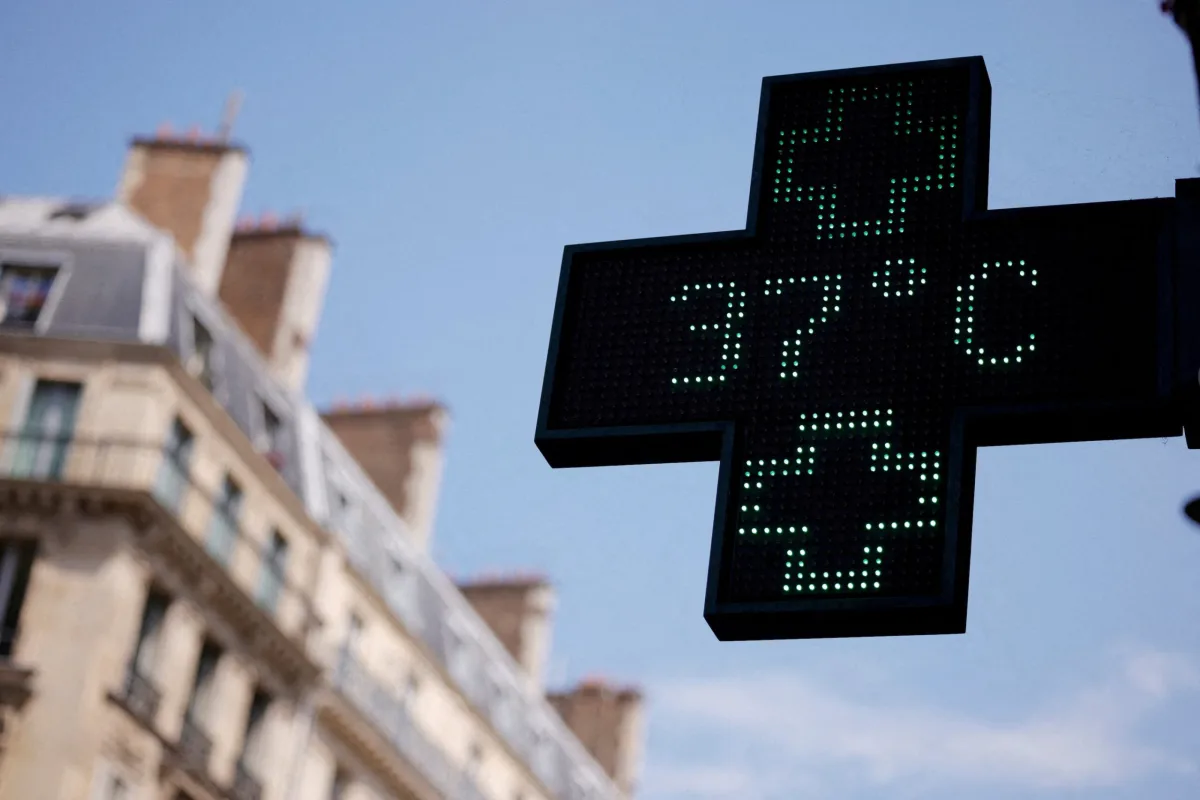
At least 3,700 excess deaths have been reported in France, Belgium, and the Netherlands during a June heatwave that sent temperatures soaring across Europe. The extreme heat was almost certainly driven by climate change, scientists warn.
France was the hardest-hit, with 2,025 excess deaths recorded during the heatwave, which lasted from June 20-28. The country's public health authority said that deaths at home rose 91% between June 22-28 compared to the previous week. Deaths in nursing homes and healthcare facilities also increased. The French Health Minister, Stephanie Rist, said that the numbers are preliminary and could rise. In Belgium, the Health Ministry said it had registered excess mortality of about 1,200 deaths between June 18 and June 29. The ministry added that 530 of the deaths were among people aged 85 or older. People aged under 65 accounted for 180 of the excess deaths. In the Netherlands, the heatwave led to about 480 excess deaths, mainly among the over 80s.
The single sharpest fact in one or two punchy sentences. Who did what, where, when, and why it matters. Not a summary of everything — the one thing that makes someone stop scrolling.
A heatwave of this magnitude is unprecedented in Belgium, the Health Ministry said in a statement. This highlights the need to take climate change more seriously and to have better preparedness measures in place.
This heatwave has been described as one of the worst in Europe, causing disruption to power generation, damaging infrastructure, and overwhelming healthcare systems. The heat was so extreme that it caused power cuts and disrupted transportation systems.
The heatwave's impact on the three countries' infrastructure and economy is expected to be significant. The disruption to power generation, in particular, may lead to long-term consequences for the energy sector. The heatwave has also been linked to an increase in deaths from heat-related illnesses. This highlights the importance of having effective heatwave preparedness measures in place. The heatwave has been described as a ' wake-up call' for the region, with scientists warning that such extreme heat will become more common due to climate change.
Key Facts
- At least 3,700 excess deaths reported in France, Belgium, and the Netherlands
- 2,025 excess deaths recorded in France
- 1,200 excess deaths registered in Belgium
- 530 of the deaths in Belgium were among people aged 85 or older
- 180 excess deaths in Belgium were among people under 65
- 480 excess deaths in the Netherlands, mainly among the over 80s
- The heatwave lasted from June 20-28
Context: Climate change is a pressing issue globally, and its impact on extreme weather events is evident. The heatwave in France, Belgium, and the Netherlands is a stark reminder of the need to address climate change.
A pull quote using
markdown is welcome if a strong real quote exists in the sources.
The European heatwave has brought into sharp focus the need for more effective heatwave preparedness measures. The heatwave has been linked to an increase in deaths from heat-related illnesses, and it has disrupted power generation, transportation systems, and healthcare services.
The impact of this heatwave will be felt for a long time, and it serves as a warning of the consequences of climate change. The region needs to be better prepared for such events, and governments must take proactive steps to mitigate the effects of climate change.
The heatwave has highlighted the need for a coordinated effort to address climate change. The European Union must take a leadership role in addressing this issue, and member countries must work together to develop effective heatwave preparedness measures.
The heatwave has been a sobering reminder of the consequences of climate change. It is essential that we take this opportunity to reassess our preparedness measures and to take proactive steps to mitigate the effects of climate change.
The European heatwave is a stark reminder of the need to take climate change seriously. The heatwave has highlighted the importance of having effective heatwave preparedness measures in place, and governments must take proactive steps to mitigate the effects of climate change.
The heatwave has brought into sharp focus the need for a coordinated effort to address climate change. The European Union must take a leadership role in addressing this issue, and member countries must work together to develop effective heatwave preparedness measures.
A pull quote using
markdown is welcome if a strong real quote exists in the sources.
The heatwave has been a wake-up call for the region. It has highlighted the need to take proactive steps to mitigate the effects of climate change, and it has underlined the importance of having effective heatwave preparedness measures in place.
The European heatwave has been linked to an increase in deaths from heat-related illnesses. This has been particularly pronounced in France, Belgium, and the Netherlands, where the heatwave has caused significant disruption to power generation, transportation systems, and healthcare services.
The heatwave has been a stark reminder of the consequences of climate change. It has highlighted the need for more effective heatwave preparedness measures, and it has underscored the importance of taking proactive steps to mitigate the effects of climate change.