

The single sharpest fact in one or two punchy sentences. Who did what, where, when, and why it matters. Not a summary of everything — the one thing that makes someone stop scrolling. A reader who only reads this paragraph must understand what happened.
Destruction still looms in parts of Sarangani and General Santos City after the 7.8 magnitude Mindanao earthquake that struck on June 8, putting education and livelihoods on indefinite pause.
And with debris from landslides covering major thoroughfares and hundreds of homes having collapsed, residents are unable to return to their upland villages or even live in coastal areas safely.
Local governments are working overtime to build more evacuation centers, bring aid to communities, and restore access to roads and bridges.
The Philippine government has allocated P50 million for relief efforts, with P20 million meant for food and shelter assistance, and another P20 million for emergency shelter and other needs.
The single largest concern for residents is accessing education, with many schools damaged or destroyed in the quake.
Some residents are unable to return to their upland villages as debris from landslides has covered major thoroughfares, while those living in coastal areas must leave as hundreds of homes have collapsed and pose a safety hazard.
Local governments are working overtime to build more evacuation centers, bring aid to communities, and restore access to roads and bridges.
So far, 10,000 people are staying in evacuation centers, with more expected to move in as the situation becomes more dire.
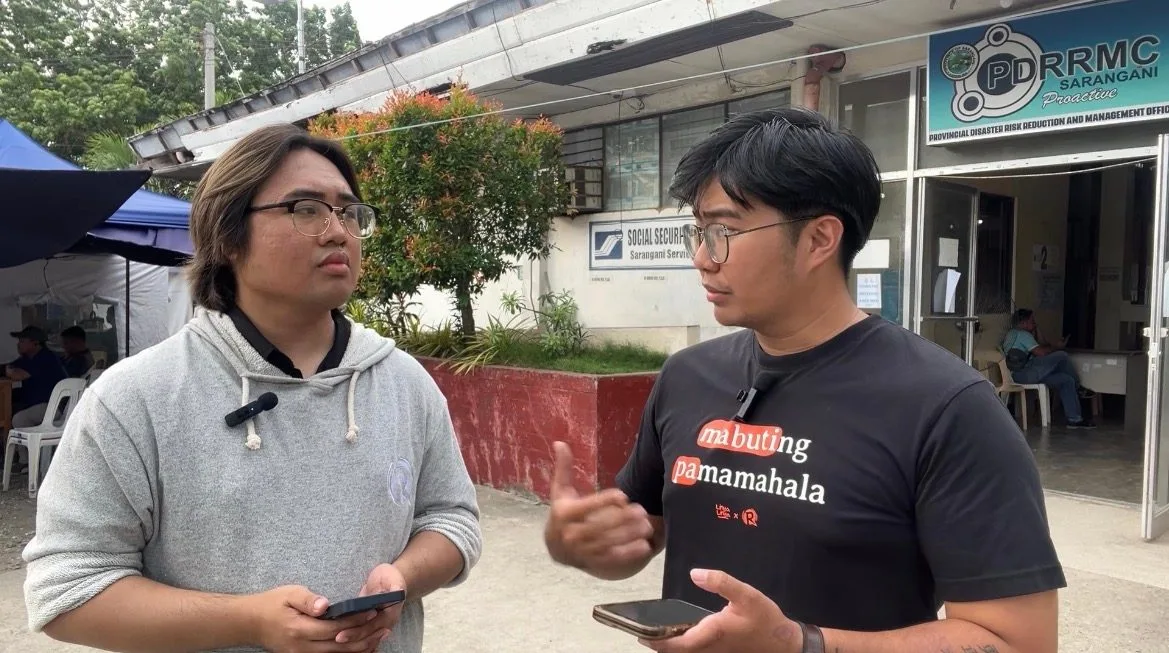
John Sitchon, a Rappler reporter, witnessed the destruction firsthand: 'The scene is like nothing I've ever seen before. The destruction is so widespread and people are struggling to access basic necessities.'
The economic impact of the quake is also significant, with many residents losing their livelihoods due to the destruction of their homes and businesses.
Some of the hardest-hit areas are in the municipalities of Kiamba, Glan, and Maasim, where entire villages have been destroyed.
In an interview, Mayor Lee said that the city is working closely with NGOs and government agencies to provide aid and support to the affected communities.
The situation is dire, with many residents still living in tents or makeshift shelters, and the Philippine government has declared the area a state of calamity.
The 7.8 magnitude earthquake struck on June 8, causing widespread destruction and chaos in Mindanao.
A number of organizations, including the Philippine Red Cross and the United Nations, have pledged aid and support to the affected communities.
With the situation showing no signs of improving, residents are bracing themselves for a long and difficult recovery period.