

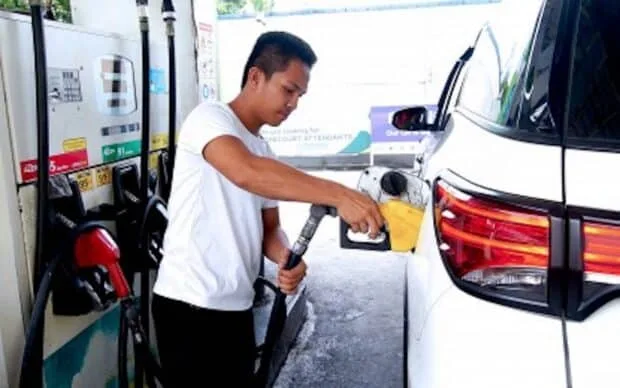
Diesel prices are about to take another huge hit, with the Department of Energy announcing a price hike of up to P4.62 per liter. This is not the first time diesel prices have gone up this year, but it's one of the biggest jumps yet.
As of the latest briefing, diesel prices are expected to increase by P2.62 to P4.62 per liter. Gasoline prices, on the other hand, are expected to either remain unchanged or decline by as much as P1 per liter, depending on the pricing decisions of oil companies.
Energy Secretary Sharon Garin attributed the price hike to continued volatility in global oil markets. 'The situation in the Middle East remains volatile,' she said. This volatility has a direct impact on diesel prices in the Philippines, which are heavily reliant on imported fuel.
Motorists in the Philippines have already seen increases in diesel prices this year, with prices rising by as much as P1 per liter. This latest price hike will only add to the financial burden on drivers, who are already struggling to make ends meet.
The latest price hike comes as the government continues to grapple with the impact of the COVID-19 pandemic. As more people return to work and transportation needs increase, the demand for diesel fuel has gone up, contributing to the price hike.
The Department of Energy has warned motorists to expect further price increases as global oil markets continue to be volatile. In the meantime, drivers are advised to keep an eye on their fuel consumption and look for ways to save on fuel costs.
Oil companies such as Petron and Shell have not yet announced their pricing decisions for gasoline. However, it is expected that they will follow the Department of Energy's lead and make changes to their pricing accordingly.
In a recent statement, the Department of Energy said that motorists should be prepared for any eventuality. 'We urge motorists to remain calm and to adjust their plans accordingly,' it said. 'We will continue to monitor the situation and provide updates as necessary.'
The latest price hike has been met with concern from motorists, who are already struggling to cope with the rising cost of living. 'This is just another example of how our government is failing us,' said one motorist. 'They promised to make life easier for us, but all they're doing is making it harder.'
The Department of Energy has promised to do everything in its power to mitigate the impact of the price hike. However, many motorists are skeptical, given the government's track record on fuel prices.
In recent years, the government has been accused of failing to provide adequate support to motorists during times of price volatility. This latest price hike has only added to the sense of frustration and discontent among drivers.
The situation is a stark reminder of the need for the government to take a more proactive approach to managing fuel prices. This could include implementing measures such as price ceilings, subsidies, or even a nationalized fuel system.
In the meantime, motorists are advised to be prepared for any eventuality. With global oil markets continuing to be volatile, it's likely that fuel prices will continue to fluctuate. However, by keeping an eye on the situation and making informed decisions, motorists can reduce their impact.
Key Facts
- Diesel prices are expected to increase by up to P4.62 per liter.
- Gasoline prices are expected to either remain unchanged or decline by as much as P1 per liter.
- The latest price hike comes as global oil markets continue to be volatile.
- Motorists are advised to keep an eye on their fuel consumption and look for ways to save on fuel costs.
- Oil companies such as Petron and Shell have not yet announced their pricing decisions for gasoline.
The situation in the Middle East remains volatile. This volatility has a direct impact on diesel prices in the Philippines, which are heavily reliant on imported fuel.
In the context of the global oil market, the Philippines is one of the countries most heavily affected by price fluctuations. The country's reliance on imported fuel means that it is vulnerable to changes in global oil prices.
The Department of Energy has warned motorists to expect further price increases as global oil markets continue to be volatile. In the meantime, drivers are advised to keep an eye on their fuel consumption and look for ways to save on fuel costs.
The situation is a stark reminder of the need for the government to take a more proactive approach to managing fuel prices. This could include implementing measures such as price ceilings, subsidies, or even a nationalized fuel system.
In a recent statement, the Department of Energy said that motorists should be prepared for any eventuality. 'We urge motorists to remain calm and to adjust their plans accordingly,' it said. 'We will continue to monitor the situation and provide updates as necessary.'