

The United States and Iran have reached an agreement to end the war and open the Strait of Hormuz, offering relief to the global economy more than three months since fighting began.
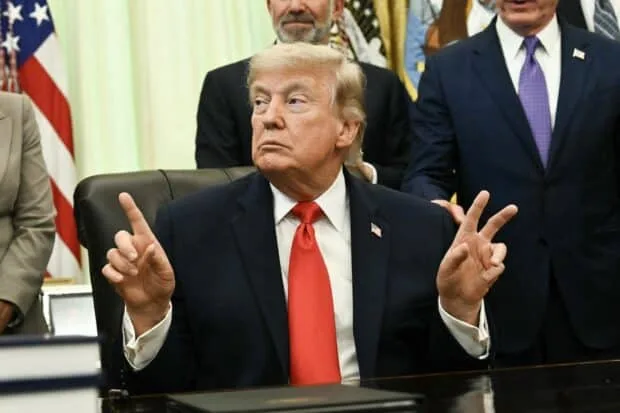
Full details of the deal weren't immediately available. The signing will be Friday in Switzerland. U.S. President Donald Trump confirmed a deal had been reached and said he'd authorized an end to the U.S. naval blockade of Iranian ports in the Strait of Hormuz.
"Congratulations to all!" he wrote on social media, without providing specifics.
The war began in March 2026 after a series of escalating incidents in the Persian Gulf. The Strait of Hormuz, a narrow waterway between Iran and Oman, is a critical chokepoint for global oil shipments. About 20% of the world's petroleum passes through it daily.
When the fighting started, Iran threatened to close the strait, and the US imposed a naval blockade on Iranian ports. That disrupted oil tanker traffic, sending crude prices soaring above $120 a barrel. Shipping insurance rates spiked, and supply chains across Asia and Europe took a hit.
For Nigeria, the war has been a mixed bag. Higher oil prices boosted government revenues — Nigeria is Africa's largest crude exporter — but the blockade also raised the cost of imported refined fuel, worsening petrol shortages and pushing up prices at the pump. The reopening of the strait should bring down global oil prices and ease pressure on Nigeria's foreign exchange reserves, which have been under strain from costly fuel imports.
The deal was brokered through backchannel talks in Islamabad, Pakistan, with Swiss diplomats acting as intermediaries. Switzerland has represented US interests in Iran since the 1979 hostage crisis. The exact terms of the agreement remain under wraps, but analysts expect it includes a ceasefire, the withdrawal of US naval forces, and a resumption of Iranian oil exports.
Trump's decision to lift the blockade is a sharp reversal from his administration's earlier "maximum pressure" policy. The war had become a political liability ahead of the 2026 midterm elections, with critics accusing the White House of dragging the country into another Middle East conflict without a clear exit strategy.
Iranian state media reported the deal as a victory for Tehran, saying the US had been forced to back down. But Western officials cautioned that the agreement is fragile and could collapse if either side violates the terms.
The signing ceremony in Switzerland will be closely watched. After that, the focus will shift to implementation: Will Iran allow full international inspections? Will the US lift all sanctions? And can the two sides rebuild enough trust to prevent a new round of hostilities?
For now, the world gets to breathe. Oil prices have already started to fall. Shipping companies are preparing to resume normal routes. And Nigerians may soon see some relief at the pump — if the government passes on the savings.