

Three students were shot and killed in Tacloban City on June 22 by two teenagers, sparking a dark cloud over the country as President Ferdinand Marcos Jr. prepares for his 5th State of the Nation Address (SONA).
The tragic incident is not an isolated case. In the past year, there have been at least three other incidents of students shooting their peers in Marikina, Batangas, and Laguna. Authorities have pointed to the role of individuals operating through online communities like Roblox in influencing some of the children involved.
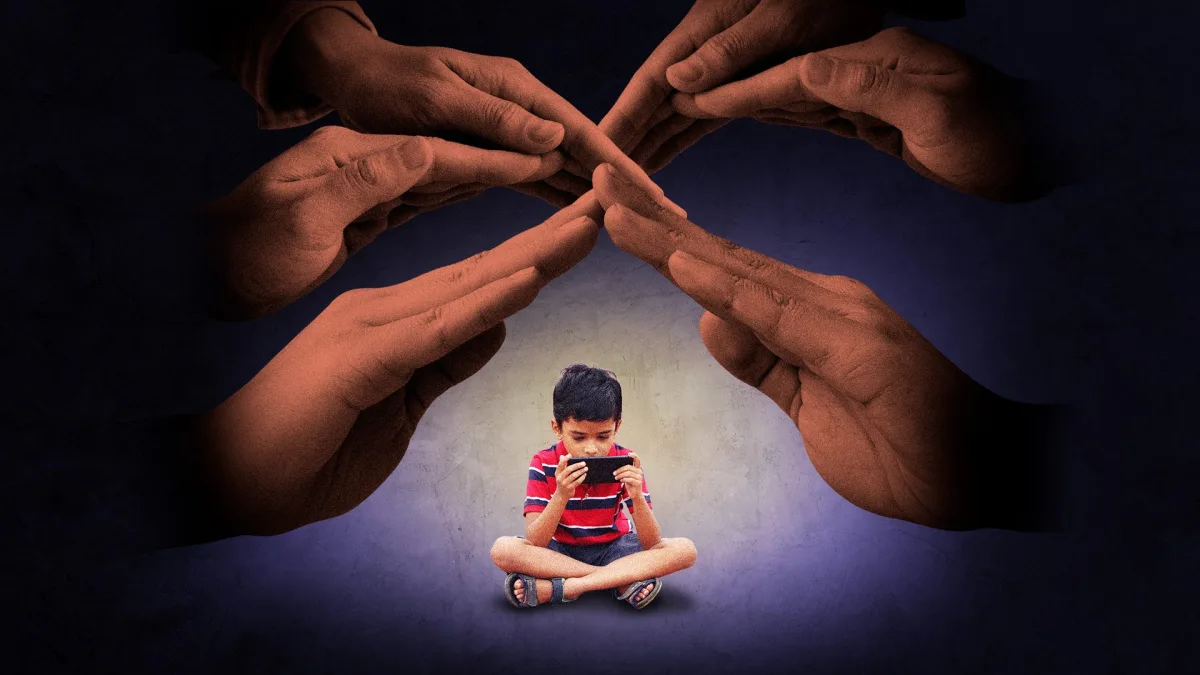
This raises a stark reality: the online spaces where children spend their time can also become channels for manipulation, grooming, and radicalization. Despite the government's efforts to improve connectivity and digitalization, child safety online remains a pressing issue.
The Philippines has been known for having one of the most expensive internet rates in the world, but the violent school incidents over the past year highlight the fact that we've also been lagging behind in terms of putting safeguards for our online spaces.
In recent years, the government has focused on improving internet connectivity, digitalizing government processes, and empowering citizens with technology. The Konektadong Pinoy law took effect in late 2025, aiming to spur competition among connectivity providers, and the National Fiber Backbone project continues to roll out to physically build out our information highways.
However, these efforts have only scratched the surface of the problem. The rise of online communities like Roblox and other social media platforms has created new avenues for manipulation and radicalization. It's time for the government to shift its focus from connectivity to safeguarding online spaces for our children.
Key Facts
- Three students were shot and killed in Tacloban City on June 22 by two teenagers.
- Since then, at least three other incidents of students shooting their peers have occurred in Marikina, Batangas, and Laguna.
- Authorities have pointed to the role of individuals operating through online communities like Roblox in influencing some of the children involved.
- The Philippines has one of the most expensive internet rates in the world.
- The Konektadong Pinoy law took effect in late 2025, aiming to spur competition among connectivity providers.
- The National Fiber Backbone project continues to roll out to physically build out our information highways.
The government's inaction on this issue has left many parents and educators concerned about the safety of their children online. The Philippines needs to take a stronger stance on regulating online spaces to prevent further incidents like this from happening.
The stakes are high, and the question is clear: will the government prioritize safeguarding online spaces for our children or continue to focus on connectivity alone? The answer will come in the coming weeks as President Marcos Jr. delivers his SONA and outlines his plans for the country's future.