

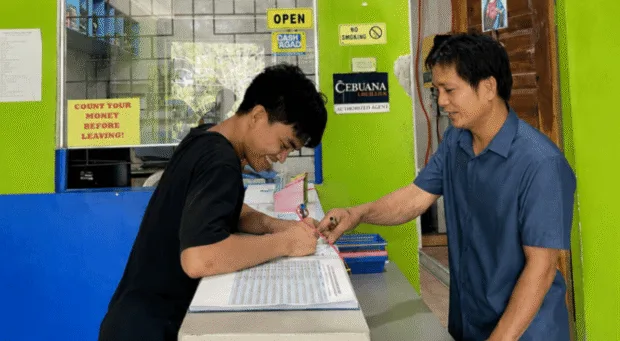
More than 30,000 micro-entrepreneurs across the Philippines have turned their small stores into community financial hubs through Cebuana Lhuillier's authorized agent network.
These agents now offer remittances, bills payment, and bank transfers — services that were once hard to find outside cities. For many Filipinos in far-flung barangays, the nearest bank branch is hours away, so the local sari-sari store or rice retailer that signed up as an agent becomes their go-to for everyday transactions.
Cebuana Lhuillier, one of the country's largest micro-financial service providers, launched the agent model to expand its reach without building new branches. The company says the network now covers areas where formal banking is limited or non-existent.
For the agents themselves, the program means extra income and more foot traffic. A store owner in a provincial town can earn a commission on every remittance or bill payment they process — money that adds up over a month, especially in communities where people regularly send cash from relatives abroad or pay utility bills.
“Our authorized agents are more than business partners — they are trusted community pillars who bring essential financial services to the doorsteps of Filipinos,” Cebuana Lhuillier said in a statement.
The company didn't disclose the exact commission rates, but agents typically earn a small fee per transaction. For a sari-sari store owner who processes 50 to 100 transactions a day, that can mean an extra several hundred pesos daily.
Cebuana Lhuillier has been in the pawnbroking and remittance business for decades. It started as a single pawnshop in Cebu City in the 1980s and grew into a nationwide chain with over 3,500 branches. The agent network, launched in recent years, is a separate channel that lets the company reach deeper into rural areas without the cost of opening new branches.
The model is similar to what other financial firms like GCash and PayMaya do with their cash-in and cash-out partners, but Cebuana Lhuillier's agents handle over-the-counter transactions using a point-of-sale terminal or mobile app.
For communities, the benefit is clear. Instead of traveling to a town center or city just to send money or pay a bill, residents can walk to the corner store. That saves time and jeepney fare — a real difference for families on tight budgets.
The company says it plans to grow the agent network further, though it didn't give a specific target. With over 30,000 agents already, Cebuana Lhuillier is betting that small businesses will continue to be the backbone of financial inclusion in the Philippines.