

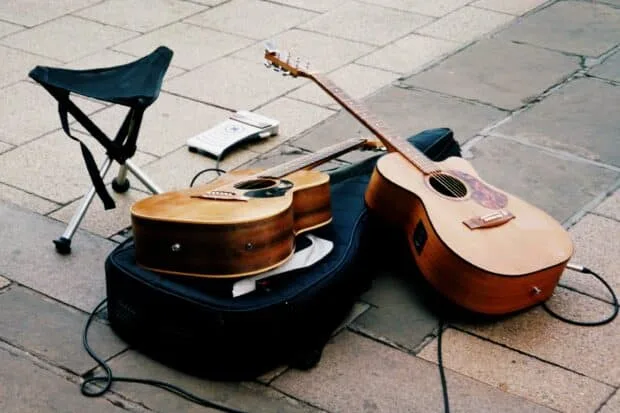
Lapu-Lapu City, Cebu — Local artists and performers in Cebu City now have a government-backed stage to call their own.
The city government formally launched its busking program on Saturday, June 13, 2026, opening up several major public areas for selected performers to showcase their acts. The initiative is designed to bring art and entertainment closer to both residents and visitors, while giving artists a legitimate venue to earn from their craft.
Performers who pass a selection process will be assigned to designated spots across the city. The program covers a range of acts — from musicians and dancers to magicians and other street performers.
Cebu City has long been a hub for street performers, especially in busy areas like Colon Street, Fuente Osmeña Circle, and IT Park. But until now, many buskers operated informally, sometimes facing complaints from businesses or being shooed away by authorities. This program changes that by making them official city-sanctioned performers.
The city government hasn't released the full list of approved performance zones yet, but officials said they will include high-foot-traffic locations where artists can reach large audiences. The program also sets guidelines to ensure performances don't disrupt traffic or business operations.
For local artists, this is a big deal. Many rely on tips and donations from passersby, and having a designated, legal spot means they can perform without worrying about getting kicked out. It also gives them credibility — they're no longer just "street people" making noise; they're city-recognized performers.
Tourists in Cebu City also stand to benefit. The program adds to the city's appeal as a destination, offering spontaneous entertainment while walking through public spaces. It's a win-win: artists get exposure and income, the city gets a livelier atmosphere, and visitors get a taste of local talent.
But questions remain. How will the city select performers? Will there be a rotation system to give more artists a chance? And what happens if a performer violates the rules? Officials haven't yet detailed the enforcement mechanism.
Still, the launch marks a shift in how Cebu City views street performance — not as a nuisance, but as a cultural asset. Other Philippine cities like Manila and Davao have similar programs, and Cebu is now joining that list.
For now, the call is out for local artists to apply. If you can sing, dance, juggle, or put on a show, Cebu City wants to hear from you. Just don't expect to set up shop anywhere you like — you'll need to pass the selection first.