

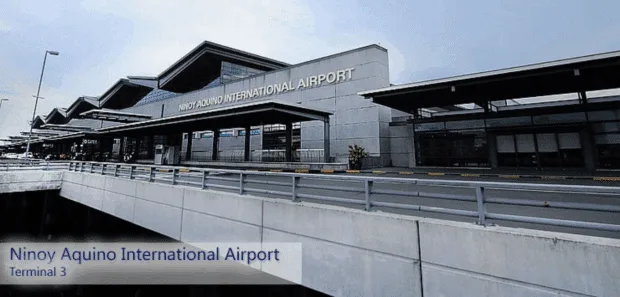
A Malaysian passenger thought they could sneak 50 live endangered tortoises through Ninoy Aquino International Airport. They were wrong.
The Bureau of Customs (BOC) said Monday that its officers flagged the passenger's baggage during X-ray screening on June 12. A physical exam revealed around 50 tortoises hidden inside the luggage. The passenger had just arrived from Bangkok.
The species were identified as Radiated and Indian Star Tortoises. Both are protected under the Convention on International Trade in Endangered Species of Wild Fauna and Flora (CITES), an international agreement that regulates trade in threatened wildlife.
Radiated tortoises are native to Madagascar and are listed as critically endangered. Indian star tortoises, found in India and Sri Lanka, are classified as vulnerable. Smuggling them can lead to heavy fines and prison time under Philippine law.
The BOC didn't name the passenger or say what charges would be filed. But wildlife smuggling in the Philippines carries penalties under the Wildlife Resources Conservation and Protection Act — up to six years in prison and fines of up to P1 million.
The tortoises have been turned over to the Department of Environment and Natural Resources for care and rehabilitation. They're likely stressed from the journey and will need quarantine before any decision on their future.
This isn't the first time Naia has been a transit point for illegal wildlife. In 2024, customs officers intercepted turtles and eels bound for Taiwan. The airport's proximity to wildlife trafficking hubs in Southeast Asia makes it a frequent target for smugglers.
The Philippines is a signatory to CITES and has laws banning the trade of protected species. But enforcement remains inconsistent, and airports are often understaffed for thorough inspections of all baggage.
What happens to the tortoises
The 50 tortoises are now in the custody of the Department of Environment and Natural Resources (DENR). They'll undergo health checks and be kept in a secure facility. If they recover fully, they may be used in breeding programs or sent to accredited sanctuaries. Returning them to their native habitats is complicated and rarely done.
The passenger, meanwhile, faces possible criminal charges. The BOC is expected to file a case for violation of the Wildlife Act and the Customs Modernization and Tariff Act. If convicted, the penalties could include imprisonment and deportation.
Why this matters
Wildlife trafficking is a multibillion-dollar illegal trade worldwide. Turtles and tortoises are among the most trafficked animals because they're in demand as exotic pets, food, and traditional medicine. Each seizure represents dozens of animals removed from already vulnerable populations.
The Philippines is both a source and transit country for wildlife trafficking. Conservation groups have repeatedly called for stricter penalties and better training for customs officers to detect hidden animals.
For now, these 50 tortoises are safe. But the smuggling attempt shows how much work remains to stop the illegal wildlife trade.