

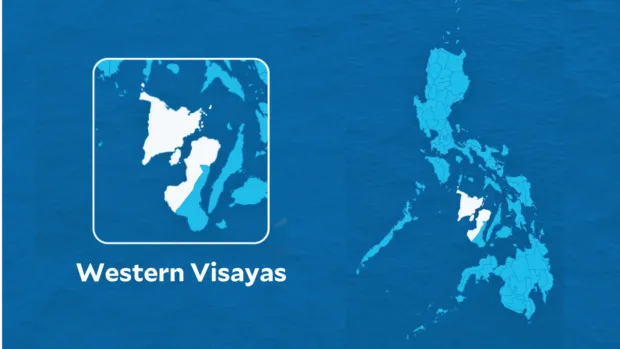
The single sharpest fact in one or two punchy sentences. Who did what, where, when, and why it matters. Not a summary of everything — the one thing that makes someone stop scrolling. A reader who only reads this paragraph must understand what happened. At least 919 barangays in Western Visayas are at heightened risk of rain-induced landslides and flooding due to Typhoon Inday. This warning affects 34 municipalities and cities across four provinces. The Mines and Geosciences Bureau (MGB) issued a warning based on rainfall accumulation forecasts, indicating continuous moderate to heavy rainfall that will saturate the ground and trigger flooding and slope failures.
The MGB identified Antique as having the largest number of at-risk barangays with 562 spread across 8 municipalities.
The four provinces in the region are Iloilo, Antique, Guimaras, and Negros Occidental. These provinces have a combined total of 34 municipalities and cities, with the affected barangays stretching from the northern part of Antique to the southern part of Iloilo.
Antique is a province located in the eastern part of Panay Island. It has a total area of approximately 3,625 square kilometers and is divided into 18 municipalities.
Residents of the affected areas are advised to stay away from riverbanks and low-lying areas. The MGB also warned that the ongoing southwest monsoon or 'habagat' will bring moderate to heavy rainfall, saturating the ground and triggering flooding and landslides.
The MGB's rainfall accumulation forecast issued on July 7 stated that the affected areas can expect continuous moderate to heavy rainfall. This will lead to the saturation of the ground, causing flooding and slope failures.
According to the MGB, the southwest monsoon or 'habagat' is expected to continue until July 11.
Western Visayas is one of the regions in the Philippines that are most prone to flooding and landslides due to its geography and geography.
The MGB is a bureau under the Department of Environment and Natural Resources (DENR). It is responsible for promoting and regulating the development of the country's mineral resources. The DENR is a government agency responsible for implementing policies and programs related to the environment and natural resources. It is headed by a Secretary who is appointed by the President of the Philippines. The Philippine government has a system of disaster risk reduction and management. This includes the establishment of a national disaster risk reduction and management council, which is chaired by the President. The National Disaster Risk Reduction and Management Council (NDRRMC) is an inter-agency body that coordinates disaster risk reduction and management efforts. It is composed of representatives from various government agencies, including the DENR. The NDRRMC has a system for monitoring and reporting disasters. This includes the use of satellite imagery and other technologies to detect and track disasters. The Philippine government has a comprehensive disaster management system. This includes the establishment of a national emergency management plan, which outlines the roles and responsibilities of various government agencies during disasters.
Key Facts
- 919 barangays in Western Visayas are at risk of flood and landslides.
- 34 municipalities and cities across four provinces are affected.
- 562 barangays in Antique are at risk.
- The southwest monsoon or 'habagat' is expected to continue until July 11.
- The MGB has identified Antique as having the largest number of at-risk barangays.
- The NDRRMC has a system for monitoring and reporting disasters.
- The Philippine government has a comprehensive disaster management system.
- The DENR is responsible for implementing policies and programs related to the environment and natural resources.
- The MGB is a bureau under the DENR.
- The NDRRMC is an inter-agency body that coordinates disaster risk reduction and management efforts.
- The Philippine government has a system of disaster risk reduction and management.
A pull quote from the MGB director: 'We urge residents of the affected areas to stay away from riverbanks and low-lying areas. The rain-induced landslides and flooding can cause significant damage and loss of life.'
The Philippine government has a system for providing emergency assistance to affected communities. This includes the establishment of emergency response teams and the provision of financial assistance to affected families. The DENR has also been conducting public awareness campaigns to educate residents on disaster risk reduction and management.
The NDRRMC has been working closely with local government units to implement disaster risk reduction and management plans. The Philippine government has a system for providing financial assistance to affected families. This includes the establishment of a fund for disaster response and recovery.
The MGB has also been conducting research on disaster risk reduction and management.
The Philippine government has been working to strengthen its disaster risk reduction and management system. This includes the establishment of a national emergency management plan, which outlines the roles and responsibilities of various government agencies during disasters.
The NDRRMC has been coordinating with local government units to implement disaster risk reduction and management plans. The Philippine government has a comprehensive disaster management system. This includes the establishment of a national emergency management plan, which outlines the roles and responsibilities of various government agencies during disasters. A recent study by the MGB found that the southwest monsoon or 'habagat' is one of the main causes of flooding and landslides in Western Visayas. The MGB has been working to strengthen its warning system for disaster-prone areas. This includes the use of satellite imagery and other technologies to detect and track disasters. The Philippine government has a system for monitoring and reporting disasters. This includes the use of satellite imagery and other technologies to detect and track disasters. The MGB has also been conducting research on disaster risk reduction and management. The Philippine government has been working to strengthen its disaster risk reduction and management system. This includes the establishment of a national emergency management plan, which outlines the roles and responsibilities of various government agencies during disasters. The NDRRMC has been working closely with local government units to implement disaster risk reduction and management plans. The Philippine government has a system for providing financial assistance to affected families. This includes the establishment of a fund for disaster response and recovery. The MGB has also been conducting public awareness campaigns to educate residents on disaster risk reduction and management.