

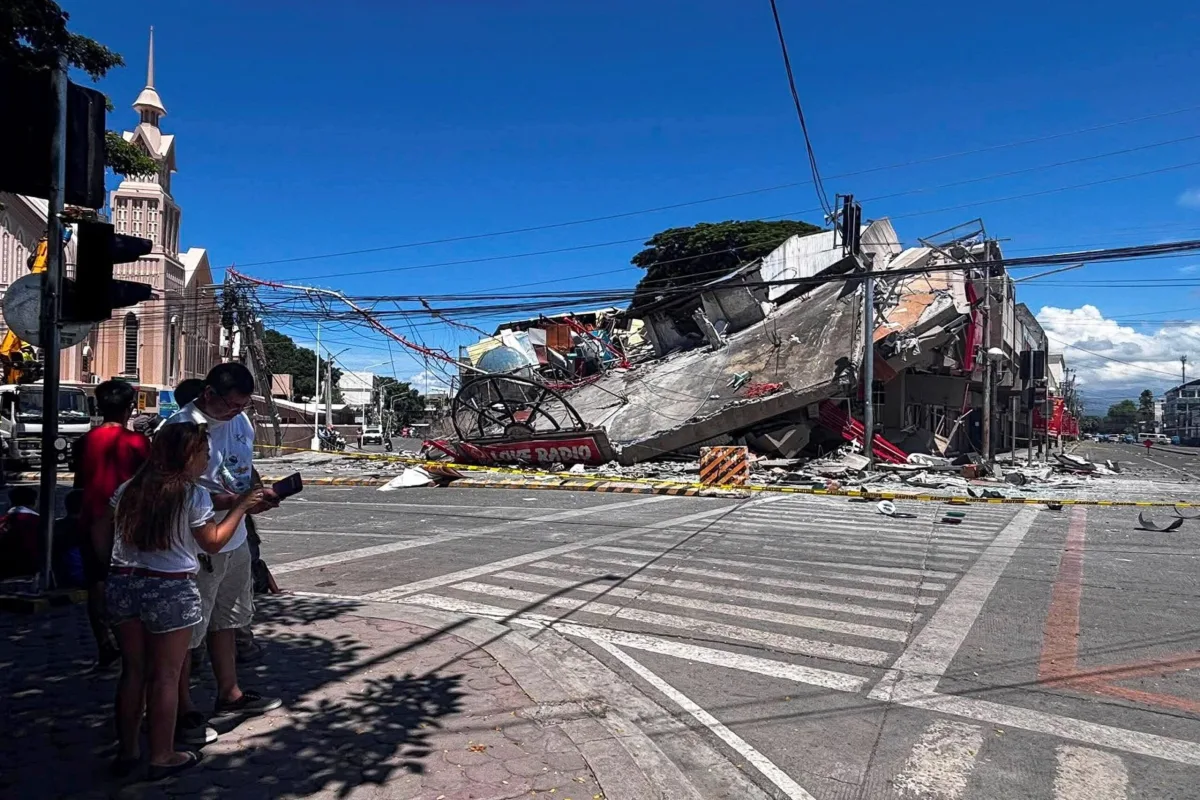
The magnitude 7.8 earthquake that struck off the coast of Sarangani on June 8 resulted in at least 37 deaths. The National Disaster Risk Reduction and Management Council (NDRRMC) also reported 479 injuries and four missing persons. These numbers make this one of the deadliest natural disasters in recent memory, and the full extent of the damage is only beginning to be understood.
The earthquake's impact was felt across several provinces, including the Davao Region and the Soccskargen area. The Davao Region reported four deaths and 23 injuries, while the Soccskargen area counted 33 deaths, 456 injuries, and four missing persons. Over 19,000 families were affected by the quake, with more than 5,000 families taking refuge in evacuation centers.
The Philippine Coast Guard deployed 150 responders to General Santos City on June 9 to search for trapped survivors and retrieve bodies from collapsed buildings. Responders are working around the clock to reach affected areas. The Philippine Institute of Volcanology and Seismology (Phivolcs) had previously recorded tsunami occurrences in Sarangani, Sultan Kudarat, Zamboanga City, Davao Oriental, and Surigao del Sur, but later lifted all tsunami warnings on June 8.
As classes resumed on June 8 after a summer break, schools in affected areas postponed classes, and the Department of Education directed them to suspend classes until further notice. The earthquake coincided with the opening of classes, prompting concerns for the safety of students and teachers.
Classes will remain suspended until local authorities deem it safe for students to return to school. The impact of the earthquake has put a strain on local resources, particularly in healthcare services. Medical teams and emergency responders are working around the clock to provide aid to those in need.
Key Facts
- At least 37 people died in the magnitude 7.8 earthquake.
- 479 injuries were reported, with four missing persons.
- Over 19,000 families were affected, with 5,000 families in evacuation centers.
- The Philippine Coast Guard deployed 150 responders to General Santos City.
- The Phivolcs recorded tsunami occurrences in several provinces.
The Philippine government has pledged support for affected communities, with President Ferdinand Marcos Jr. assuring aid to those in need. The Department of Social Welfare and Development (DSWD) has been distributing relief goods and providing shelter assistance to affected families.
The recent earthquake serves as a stark reminder of the importance of disaster preparedness and mitigation measures. Communities must be proactive in identifying potential hazards and taking steps to minimize risks. By doing so, we can build stronger, more resilient communities that are better equipped to withstand the impact of natural disasters like this one.