

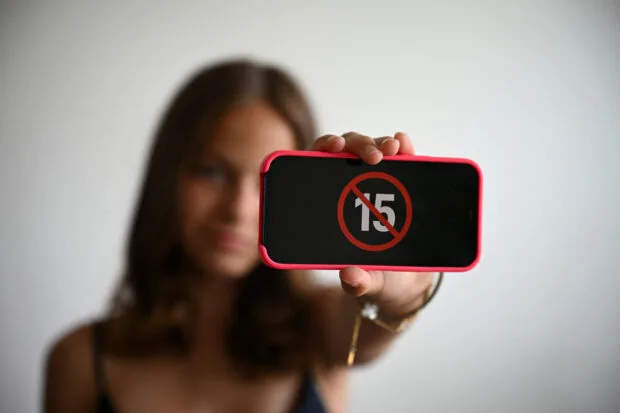
The European Union is on the verge of banning social media for children under 16 after a growing list of countries around the world introduced similar measures. According to an AFP tally, more than 20 countries, including five where restrictions are already in force, are considering or have implemented regulations on children's social media use.
And the European Union's plan follows the implementation of similar measures in countries like Australia, China, and India. The restrictions often target children under the age of 15 or 16.
The European Commission's expert committee is set to submit its recommendations on Monday about a potential social media ban for children in the 27-nation EU. The move is part of the EU's effort to protect children's right to a healthy and safe digital environment.
But what led to this moment? Social media has become a major part of modern life, with many children joining platforms like TikTok, Instagram, and Facebook from a young age. However, experts are growing concerned about the impact of excessive social media use on children's mental health.
Dr. Rachel O'Connell, a leading expert on social media and child development, explained: 'Children are developing too rapidly, and social media is accelerating this process. We need to protect them from the negative effects of excessive screen time.'
The EU's proposed ban is not without controversy, with some arguing that it may infringe on children's rights. Others are concerned that it will be difficult to enforce effectively.
One thing is certain, though: the debate is only just beginning. As the EU's expert committee weighs its recommendations, parents, policymakers, and experts will be keeping a close eye on developments.
And in the midst of this debate, Nigerians are also grappling with the implications of excessive social media use on the country's young people. Social media has become a major source of entertainment, education, and connection for many Nigerians, but experts warn that excessive use can lead to negative effects like cyberbullying, online harassment, and decreased attention span.
The European Commission's proposed ban on social media for children is a timely reminder of the need to protect young people from the negative effects of excessive screen time. As the debate rages on, one thing is clear: the future of social media for children is uncertain.
Key Facts
- Over 20 countries are considering or have implemented regulations on children's social media use.
- The European Commission's expert committee is set to submit its recommendations on Monday about a potential social media ban for children in the 27-nation EU.
- The restrictions often target children under the age of 15 or 16.
- Dr. Rachel O'Connell, a leading expert on social media and child development, explained: 'Children are developing too rapidly, and social media is accelerating this process. We need to protect them from the negative effects of excessive screen time.'