

US President Donald Trump says a deal to end the war with Iran will be signed on Sunday, and the strategic Strait of Hormuz will reopen to all ships immediately after.
"The Deal is scheduled to get signed tomorrow, and immediately after it is signed, the Hormuz Strait is OPEN TO ALL," Trump posted on his Truth Social platform on Saturday.
The announcement came despite conflicting signals from Iran earlier in the day. Iranian foreign ministry spokesman Esmaeil Baqaei had said the signing wouldn't happen on Sunday, though he added that "the possibility of this happening in the coming days can't be ruled out."
Pakistani Prime Minister Shehbaz Sharif, whose country has been a key mediator, said on X that a deal is closer "than ever before" and that "finalisation" is expected within 24 hours. He said the agreement will be signed electronically, with technical-level talks next week.
The blockade and its impact
Iran has blockaded the Strait of Hormuz since early in the war, throwing global energy markets into turmoil. The strait is a critical chokepoint for oil and gas shipments from the Gulf. Iran set up a new body to oversee the waterway and collect tolls from vessels.
The US responded with its own naval blockade of Iranian ports. On Saturday, US Central Command said Iran launched multiple one-way attack drones aimed at commercial ships in the strait, but US forces shot them all down.
Iran's Foreign Minister Abbas Araghchi said on Friday that any deal must include lifting the US blockade. He called the strait one of Iran's "main instruments of deterrence" and said its administration "will no longer be the same as before."
Trump's post made no mention of tolls or who would control the strait after reopening.
The nuclear sticking point
Another major obstacle has been Iran's enriched uranium stockpile. US strikes last year buried much of it, but Iran insists on its right to enrichment. Foreign Minister Araghchi said the only acceptable solution is to dilute the material inside Iran.
Trump previously said the US would remove and destroy the uranium. In Saturday's post, he said: "When all is calm, we will go in and get the Nuclear Dust… and downblend and destroy it, whether in Iran, or the United States."
He added: "Hopefully, this process will all work out quickly, easily, and smoothly. If it doesn't, we have the ultimate alternative, hopefully never to be used again!"
Israeli Prime Minister Benjamin Netanyahu said Trump promised him any agreement would include removing the enriched material.
Scepticism in Tehran
On the streets of Tehran, many doubt this deal will actually be signed. The war, which began in February with US and Israeli strikes, paused on April 8 but negotiations have dragged on for weeks. Each side has released conflicting information about the deal's contents, each trying to show it came out on top.
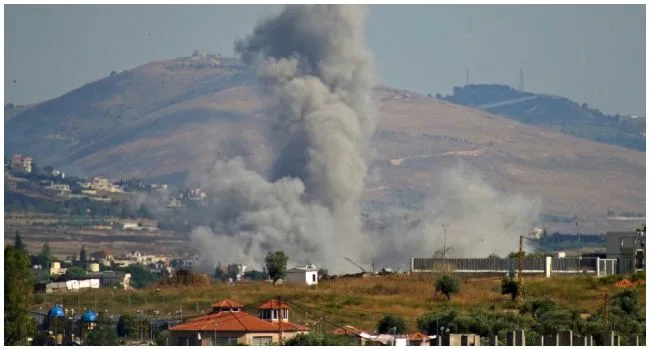
Meanwhile, fresh skirmishes continue. On June 13, Lebanon reported Israeli strikes on its south, and the Israeli army issued evacuation warnings for over 20 locations, including Nabatieh.
For Nigeria and other oil-dependent economies, the reopening of the Strait of Hormuz could bring relief. The blockade pushed global oil prices higher, squeezing importers and boosting revenues for exporters like Nigeria. If the strait opens, prices could stabilise, but uncertainty remains until the deal is actually signed.