

The single sharpest fact in one or two punchy sentences. Who did what, where, when, and why it matters. Not a summary of everything — the one thing that makes someone stop scrolling. A reader who only reads this paragraph must understand what happened.
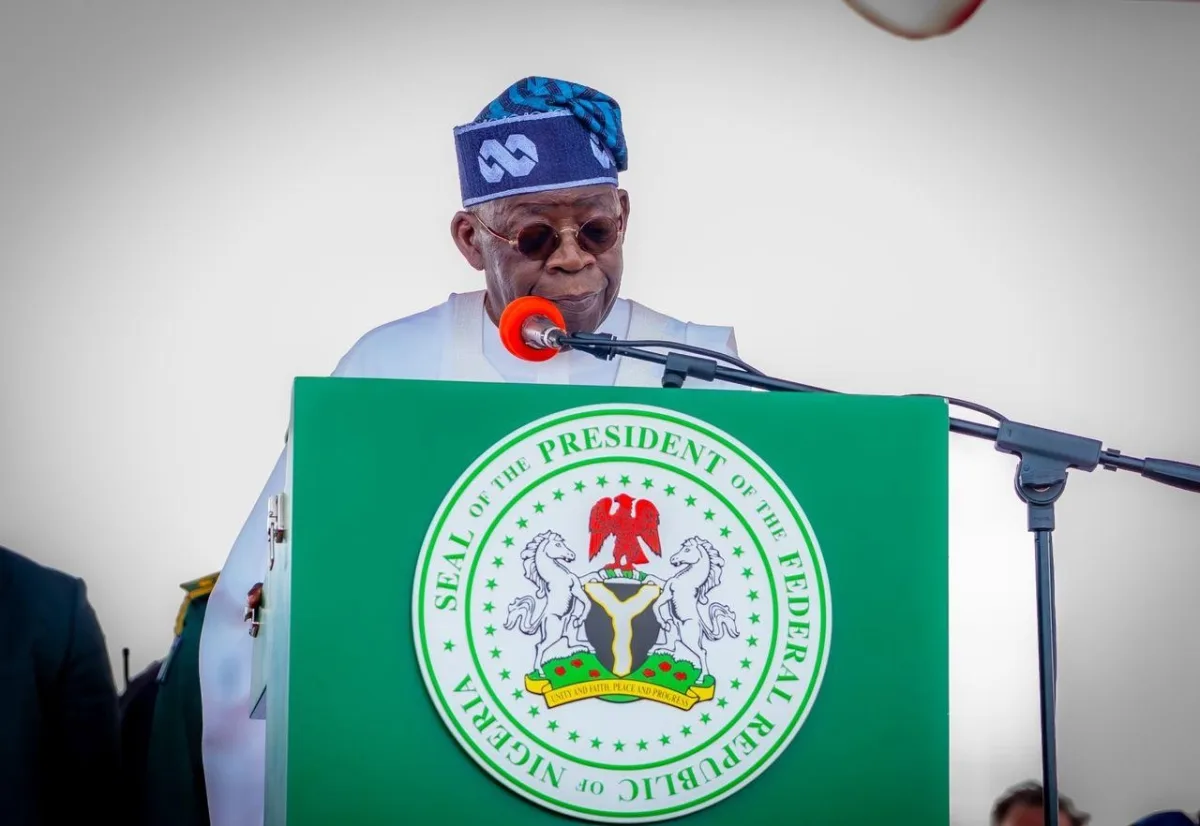
President Bola Tinubu commissioned Phase 1 of the Kuje-Gwagwalada Dual Carriage Way on Wednesday in Abuja, promising a brighter future for Nigeria's satellite towns. This project is part of his administration's Renewed Hope Agenda, which aims to bring prosperity to all communities across the nation.
The 7km dual carriageway with solar-powered street lights, pedestrian walkways, and proper drainage is a significant step in modernizing Nigeria's infrastructure. It has unlocked the agricultural potential of the area, opened new residential layouts, and made it safer for mothers, students, and workers to move at any hour.
But what about the past? The Kuje-Gwagwalada road was once a death trap for decades, with traders losing time, goods, and sometimes lives while plying this route. Criminals thrived in the darkness, and students wasted hours in traffic. The completion of this project marks a significant departure from those dark times.
According to the President, the construction of this road is not just an infrastructure project; it's also a symbol of hope and renewal. He called on Nigerians not to give up on their country, promising that his administration is laying the foundation for prosperity.
So, what's next? The President assured the people of Kuje, Gwagwalada, Kwali, and all the other area councils and satellite towns that the government sees them and that they are not forgotten. His administration will continue to bring roads, water, schools, and hospitals to these communities.
The Minister of the Federal Capital Territory (FCT), Ezenwo Nyesom Wike, has been commended for taking Renewed Hope to the grassroots. He has adopted a community engagement model in the selection and execution of projects across the territory, which has led to the completion of several projects in the FCT.
Nigerians are now looking up to this project as a beacon of hope for a brighter future. The question on everyone's lips is: will this project be replicated in other areas of the country?
“This 7km dual carriageway with solar-powered street lights, pedestrian walkways, and proper drainage is more than a road. It is security. It is commerce. It is dignity. It is the economic corridor linking Abuja to three area councils and opening an exit route to southern Nigeria.”
Key Facts
- The Kuje-Gwagwalada Dual Carriage Way is a 7km dual carriageway with solar-powered street lights, pedestrian walkways, and proper drainage.
- The project has unlocked the agricultural potential of the area, opened new residential layouts, and made it safer for mothers, students, and workers to move at any hour.
- The President has vowed to leave no community behind and ensure equal development across the nation.
- The project is part of the Renewed Hope Agenda, which aims to bring prosperity to all communities across the nation.
- The Minister of the Federal Capital Territory (FCT) has adopted a community engagement model in the selection and execution of projects across the territory.
- The project has marked a significant departure from the dark times when the Kuje-Gwagwalada road was a death trap for decades.
- The President has assured the people of Kuje, Gwagwalada, Kwali, and all the other area councils and satellite towns that the government sees them and that they are not forgotten.
- The administration will continue to bring roads, water, schools, and hospitals to these communities.