

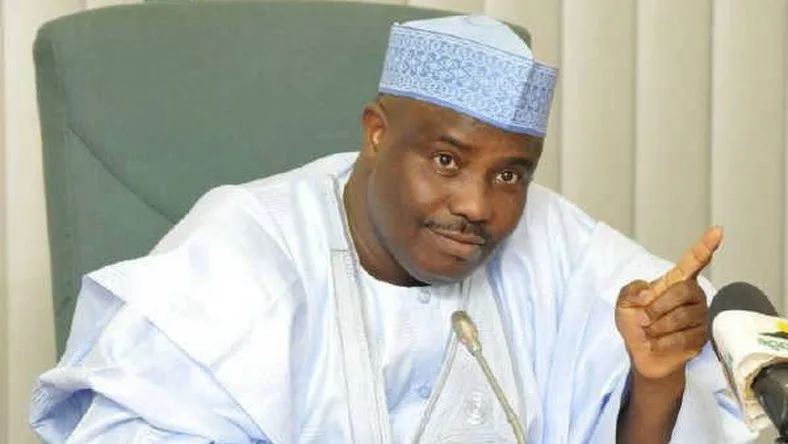
In a surprise move, Senator Aminu Tambuwal has withdrawn from the 2027 senatorial race. This decision, according to Tambuwal, is a deliberate political sacrifice aimed at creating opportunities for younger politicians. It's a move that underscores his commitment to leadership renewal and deepening youth inclusion within the party structure. He's doing this to pave the way for new leaders.
Senator Aminu Tambuwal, the former Speaker of the House of Representatives and current Governor of Sokoto State, has had an extensive career in public service. His political journey began in 2003 with his election to the House of Representatives, where he served six consecutive terms. He rose to the position of Speaker during his time there. This extensive track record, which includes two terms as Governor of Sokoto State and his current role in the 10th Senate, informed his decision to step aside. He didn't take this decision lightly, and it's based on his long history in politics.
"I am not leaving politics. I will remain very active and continue to work for the victory of our party at all levels," Tambuwal emphasized during a political discourse on Channels TV. This statement clarifies that his withdrawal from the senatorial race shouldn't be interpreted as retirement from politics. He's still committed to his party's success. He won't stop working for the party, and he'll keep supporting its candidates.
Tambuwal's decision followed wide consultations and was driven by the need to promote leadership renewal. He also wanted to deepen youth inclusion within the party structure. He stressed that the move was also in recognition of his long years in public service. By stepping aside, Tambuwal is allowing his brother, Faruk Malami Yabo, to come in and take the ticket. He describes this move as part of leadership recruitment and giving younger people the opportunity to serve.
It's a chance for new blood to enter the political scene.
The former Speaker dismissed suggestions that his withdrawal signals internal cracks within the opposition. He insisted there is no crisis within the party over the development. "There is no crack whatsoever. My decision was voluntary and based on the need to encourage younger leadership," he noted. He didn't see this as a sign of weakness. He further responded to concerns over recent defections and realignments within opposition ranks.
He described such movements as personal political choices rather than evidence of structural instability. They're not a sign that the party is falling apart.
Looking ahead to 2027, Tambuwal expressed confidence that the opposition remains competitive. He predicted a tightly contested election in which Nigerians will ultimately determine the outcome at the polls. This confidence is rooted in his belief in the party's processes, which he argues remain inclusive. Key decisions are taken through consultation with major actors. He thinks the party is still strong. He's optimistic about its chances in the next election.
As the political landscape continues to evolve, Tambuwal's decision to step down from the senatorial race marks a significant moment. It highlights the importance of youth inclusion in political leadership, a theme that is increasingly central to political discourse in Nigeria. It's a move that shows he's willing to give up power. He's making way for younger leaders to take over.
Key Facts
- Senator Aminu Tambuwal withdraws from the 2027 senatorial race.
- The decision is aimed at promoting youth inclusion and leadership renewal.
- Tambuwal has served six consecutive terms in the House of Representatives and two terms as Governor of Sokoto State.
- He remains committed to working for the victory of his party at all levels.
- The move allows Faruk Malami Yabo to take the ticket, part of leadership recruitment and giving younger people the opportunity to serve.
Tambuwal's political career is a testament to his dedication to public service. From his early days as a member of the House of Representatives to his current role as a senator, he has consistently demonstrated a commitment to the welfare of the people. His decision to step aside for younger leadership is a reflection of this commitment. It emphasizes the need for fresh perspectives and ideas in the political arena. He's showing that he's not afraid to step down.
As Nigerians look towards the 2027 elections, the theme of youth inclusion and leadership renewal is likely to become increasingly prominent. A significant portion of the population is young, and there's a need for political representation that reflects this demographic. It's pressing that the government represents the people. Tambuwal's move, while personal, contributes to a broader conversation about the future of Nigerian politics. It's about the role that younger generations will play in shaping it.
They won't be ignored.
In the context of Nigerian politics, where leadership often skews towards older generations, Tambuwal's decision is noteworthy. It challenges the status quo and opens up opportunities for younger politicians to step into key roles. This shift could potentially lead to a more diverse and representative political landscape. It would better reflect the age demographics of the country. The country needs a more representative government.
The path ahead for Tambuwal and his party will be watched closely, as will the impact of his decision on the broader political landscape. As the situation unfolds, it's clear that the 2027 elections will be shaped by a complex interplay of factors. These include the desire for youth inclusion and the need for experienced leadership. Tambuwal's move is just one piece in this puzzle, but it's a significant one. It marks a deliberate step towards change and renewal.
He's paving the way for a new generation of leaders. They're ready to take over and make a difference.