

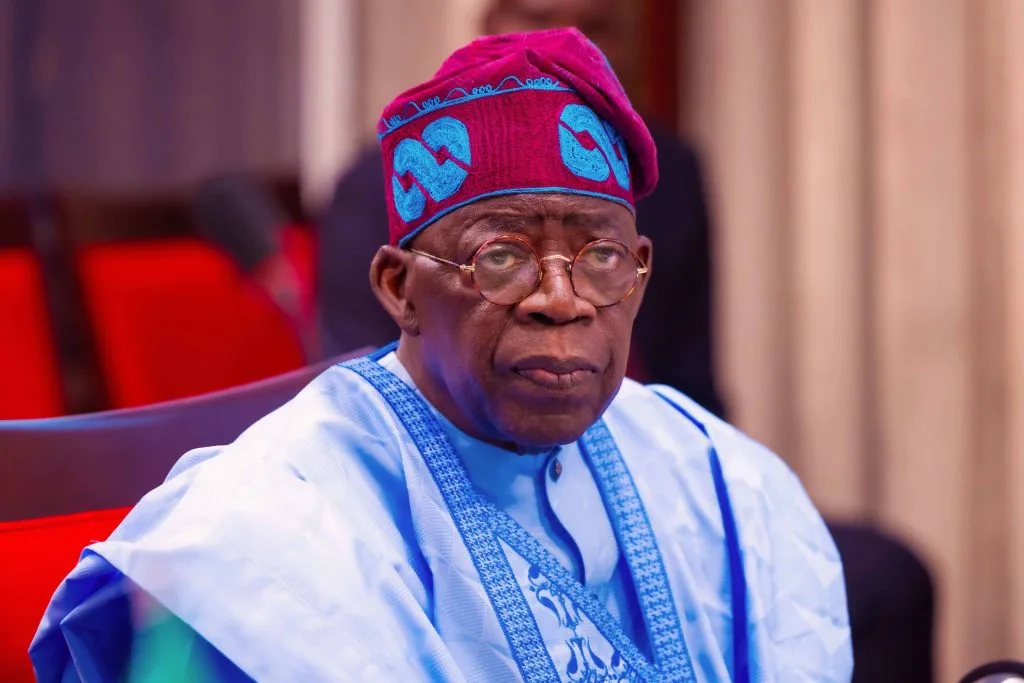
Dele Oye, Chairman of the Alliance for Economic Research and Ethics LTD/GTE, says Nigeria’s economy is finally standing on firmer ground after three years of tough reforms. But he’s quick to add that just because the numbers look good on paper, it doesn't mean Nigerians are feeling richer or more secure.
According to Oye, President Bola Tinubu’s administration deserves some props for making the hard calls. Think removing the unpopular petrol subsidy, tweaking the foreign exchange system to be more market-driven, stopping the Central Bank from printing money to cover government debts, building up foreign reserves, and tightening monetary policy. These moves, he says, have helped fix some deep-seated problems that were dragging the economy down.
"The economy is stabilising. Now let the people feel it," Oye stated, pointing out that while these macroeconomic wins are important, the real victory will be seen when food prices drop, more jobs pop up, and everyday Nigerians can actually live better lives.
And the numbers do show some progress. Nigeria’s foreign exchange reserves have climbed to a staggering $53.11 billion as of August 24, 2026 – the highest they’ve been in 17 years. This shows the country has a stronger cushion against external shocks. The National Bureau of Statistics also reported that the economy grew by 4.43 per cent year-on-year in the second quarter of 2026, a jump from 3.89 per cent in the previous quarter. Both the oil and non-oil sectors are contributing to this upward trend, suggesting the economy is gaining momentum.
Yet, Oye highlights a worrying gap between these impressive figures and the reality on the ground. He cited a June 2026 assessment by the International Monetary Fund (IMF) that placed poverty at 63 per cent nationally. Even more alarming, the IMF also noted that about 27 million Nigerians were facing food insecurity in the autumn of 2025. This means that while the economy might be growing, millions are still struggling to put food on the table.
Oye acknowledged that the Tinubu administration has taken on difficult decisions that previous governments shied away from. "Nigerians should be honest enough to acknowledge progress when progress has been made and courageous enough to say when progress has not yet become prosperity," he urged. He pointed out that these reforms, though painful, were necessary to confront economic distortions that had been weakening the nation's foundation for years. Staying the course on these consequential macroeconomic adjustments, especially in Nigeria where politics and public anger often derail such efforts, is no small feat.
Further details from the IMF show Nigeria’s gross international reserves, as defined by the Central Bank of Nigeria, jumped from $40 billion at the end of 2024 to $46 billion by the close of 2025. Net reserves also saw a healthy rise from $23 billion to $35 billion in the same period. The IMF's projections also add to the picture, estimating a 4.0% growth for 2025 and forecasting 4.1% for 2026, with the services and non-oil sectors leading the charge. The World Bank had previously noted a 3.9% year-on-year growth in the first half of 2025, supported by services, non-oil industries, improved oil production, and agriculture.
"President Tinubu’s administration has done something important: it has begun to move Nigeria away from denial," Oye stated. He believes the government deserves recognition for admitting that subsidies, opaque foreign exchange markets, excessive borrowing from the central bank, weak tax collection, and unstable financial institutions couldn't lead to national prosperity. However, he stressed that the courage shown at the start of these reforms must now translate into effective action. The administration needs to turn this economic stabilisation into tangible security and well-being for its citizens, making the economy not just attractive to investors, but truly livable and useful for families across the nation.