

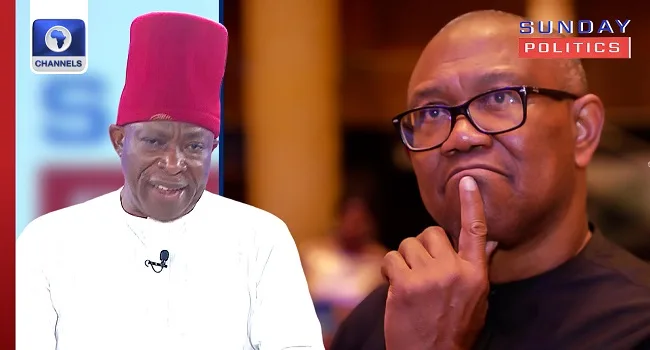
The news that the Nigerian Democratic Congress (NDC) has zoned its 2027 presidential ticket to the South is making waves in the country's political landscape. Victor Umeh, the Senator representing Anambra Central, has come out in support of this decision, describing it as a strategic step toward preserving national unity. This move is significant, as it has the potential to ease tensions between the North and the South. Umeh's endorsement is a testament to the growing consensus among Nigerian politicians that the country needs to address its regional imbalances. The NDC's decision is seen as a way to promote fairness and equity in the country's political system.
The Nigerian Democratic Congress is one of the major political parties in Nigeria, and its decision to zone its presidential ticket to the South is a response to the growing demand for regional representation. The party's leadership has been under pressure to address the concerns of its southern members, who feel that the party has been dominated by northerners for too long. Umeh's support for the NDC's decision is a significant development, as it indicates that the party is willing to listen to the concerns of its members and take steps to address them. The NDC's move is also seen as a way to counter the dominance of the ruling party, which has been accused of favoring the North.
The zoning of the presidential ticket to the South is a complex issue, with many factors at play. The NDC's decision is based on the principle of rotation, which is a system where the presidency is rotated between the North and the South. This system is designed to promote fairness and equity, but it has been controversial, with some arguing that it is not the best way to choose a president. Umeh's support for the NDC's decision indicates that he believes that the rotation principle is the best way to promote national unity. The Senator's endorsement is also a testament to the growing influence of southern politicians in the NDC.
The NDC's decision to zone its presidential ticket to the South has significant implications for the 2027 presidential election. The election is expected to be highly contested, with many candidates from different parties vying for the top spot. The NDC's decision is likely to affect the dynamics of the election, as it will give southern candidates an advantage. Umeh's support for the NDC's decision is a significant development, as it indicates that the party is willing to take bold steps to promote its candidates. The Senator's endorsement is also a testament to the growing confidence of the NDC in its ability to win the election.
Key Facts
- Victor Umeh is the Senator representing Anambra Central.
- The Nigerian Democratic Congress has zoned its 2027 presidential ticket to the South.
- Umeh supports the NDC's decision, describing it as a strategic step toward preserving national unity.
- The NDC's decision is based on the principle of rotation, which is a system where the presidency is rotated between the North and the South.
- The rotation principle is designed to promote fairness and equity in the country's political system.
- Umeh also backs Peter Obi's one-term bid.
- The 2027 presidential election is expected to be highly contested, with many candidates from different parties vying for the top spot.
- The NDC's decision is likely to affect the dynamics of the election, as it will give southern candidates an advantage.
The Politics of Zoning
The zoning of the presidential ticket to the South is a complex issue, with many factors at play. The NDC's decision is based on the principle of rotation, which is a system where the presidency is rotated between the North and the South. This system is designed to promote fairness and equity, but it has been controversial, with some arguing that it is not the best way to choose a president. The rotation principle is a response to the country's history of regional imbalance, where one region has dominated the others. The NDC's decision is a way to address this imbalance and promote national unity.
The politics of zoning is a delicate issue, with many stakeholders involved. The NDC's decision has been welcomed by many southern politicians, who see it as a way to promote their interests. However, the decision has also been criticized by some northerners, who argue that it is unfair to them. The controversy surrounding the zoning of the presidential ticket is a testament to the deep-seated regional divisions in Nigeria. The NDC's decision is a way to address these divisions and promote national unity.
The zoning of the presidential ticket to the South has significant implications for the 2027 presidential election. The election is expected to be highly contested, with many candidates from different parties vying for the top spot. The NDC's decision is likely to affect the dynamics of the election, as it will give southern candidates an advantage. The election is expected to be a test of the NDC's ability to promote its candidates and win the presidency.
The Role of Victor Umeh
Victor Umeh is a significant figure in Nigerian politics, and his support for the NDC's decision is a testament to his influence. Umeh is a senator representing Anambra Central, and he has been a vocal advocate for southern interests. His support for the NDC's decision is a way to promote the interests of his constituents and address the regional imbalance in the country. Umeh's endorsement is also a testament to the growing confidence of the NDC in its ability to win the election.
Umeh's role in the NDC is significant, as he is one of the party's most influential members. He has been a vocal advocate for southern interests and has played a key role in promoting the party's agenda. Umeh's support for the NDC's decision is a way to promote the party's interests and address the regional imbalance in the country. The senator's endorsement is also a testament to the growing influence of southern politicians in the NDC.
Umeh's influence extends beyond the NDC, as he is a respected figure in Nigerian politics. His support for the NDC's decision is a way to promote national unity and address the regional divisions in the country. The senator's endorsement is a significant development, as it indicates that the NDC is willing to take bold steps to promote its candidates and win the election.
The Impact on
the 2027 Presidential Election The NDC's decision to zone its presidential ticket to the South has significant implications for the 2027 presidential election. The election is expected to be highly contested, with many candidates from different parties vying for the top spot. The NDC's decision is likely to affect the dynamics of the election, as it will give southern candidates an advantage. The election is expected to be a test of the NDC's ability to promote its candidates and win the presidency.
The 2027 presidential election is expected to be a defining moment in Nigerian history. The election will be a test of the country's ability to promote national unity and address its regional divisions. The NDC's decision to zone its presidential ticket to the South is a way to promote fairness and equity in the country's political system. The election is expected to be highly contested, with many candidates from different parties vying for the top spot.
The NDC's decision has significant implications for the country's political landscape. The party's decision is a way to promote national unity and address the regional divisions in the country. The election is expected to be a test of the NDC's ability to promote its candidates and win the presidency. The NDC's decision is a significant development, as it indicates that the party is willing to take bold steps to promote its candidates and win the election.
The Reaction of Other Politicians
The NDC's decision to zone its presidential ticket to the South has been met with mixed reactions from other politicians. Some have welcomed the decision, seeing it as a way to promote fairness and equity in the country's political system. Others have criticized the decision, arguing that it is unfair to northerners. The controversy surrounding the zoning of the presidential ticket is a testament to the deep-seated regional divisions in Nigeria.
The zoning of the presidential ticket to the South is a strategic step toward preserving national unity, and it is a way to promote fairness and equity in the country's political system. The decision is a significant development, as it indicates that the NDC is willing to take bold steps to promote its candidates and win the election.
The reaction of other politicians to the NDC's decision is a significant development, as it indicates that the party's decision is a contentious issue. The controversy surrounding the zoning of the presidential ticket is a testament to the deep-seated regional divisions in Nigeria. The NDC's decision is a way to promote national unity and address the regional imbalance in the country.
The NDC's decision has significant implications for the country's political landscape. The party's decision is a way to promote national unity and address the regional divisions in the country. The reaction of other politicians to the NDC's decision is a significant development, as it indicates that the party's decision is a contentious issue. The controversy surrounding the zoning of the presidential ticket is a testament to the deep-seated regional divisions in Nigeria.
The Historical Context
The zoning of the presidential ticket to the South is not a new development in Nigerian politics. The country has a history of regional imbalance, where one region has dominated the others. The NDC's decision is a way to address this imbalance and promote national unity. The party's decision is based on the principle of rotation, which is a system where the presidency is rotated between the North and the South.
The historical context of the zoning of the presidential ticket is significant, as it indicates that the NDC's decision is a response to the country's history of regional imbalance. The party's decision is a way to promote fairness and equity in the country's political system. The NDC's decision is a significant development, as it indicates that the party is willing to take bold steps to promote its candidates and win the election.
The zoning of the presidential ticket to the South has significant implications for the country's political landscape. The NDC's decision is a way to promote national unity and address the regional divisions in the country. The historical context of the zoning of the presidential ticket is significant, as it indicates that the NDC's decision is a response to the country's history of regional imbalance. The party's decision is a way to promote fairness and equity in the country's political system.
The Future of Nigerian Politics
The NDC's decision to zone its presidential ticket to the South has significant implications for the future of Nigerian politics. The party's decision is a way to promote national unity and address the regional divisions in the country. The NDC's decision is a significant development, as it indicates that the party is willing to take bold steps to promote its candidates and win the election.
The future of Nigerian politics is uncertain, as the country faces many challenges. The NDC's decision is a way to promote national unity and address the regional divisions in the country. The party's decision is a significant development, as it indicates that the party is willing to take bold steps to promote its candidates and win the election. The zoning of the presidential ticket to the South is a strategic step toward preserving national unity, and it is a way to promote fairness and equity in the country's political system.
The NDC's decision has significant implications for the country's political landscape. The party's decision is a way to promote national unity and address the regional divisions in the country. The future of Nigerian politics is uncertain, as the country faces many challenges. The NDC's decision is a significant development, as it indicates that the party is willing to take bold steps to promote its candidates and win the election. The zoning of the presidential ticket to the South is a way to promote fairness and equity in the country's political system, and it is a significant step toward preserving national unity.