

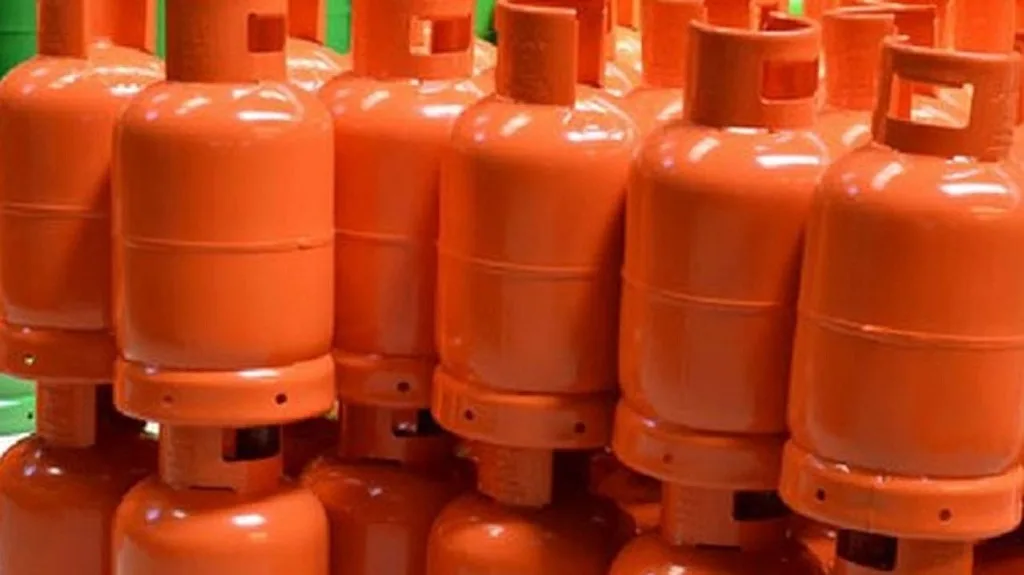
The Federal Ministry of Petroleum Resources has convened an emergency stakeholders' meeting to address the recent surge in Liquefied Petroleum Gas (LPG) prices and to improve nationwide supply.
According to the Nigerian Midstream and Downstream Petroleum Regulatory Authority (NMDPRA), the meeting brought together key government officials, regulators, producers, marketers, terminal operators, and industry associations to examine factors driving the increase in LPG prices and agree on practical interventions to strengthen the value chain.
The engagement comes amid a sharp rise in cooking gas prices nationwide. Late last month, LPG prices climbed to about N2,000 per kilogramme in Lagos and over N1,600 per kilogramme in parts of Abuja, up from about N1,200 per kilogramme in previous weeks.
Speaking at the meeting, the Permanent Secretary of the Ministry of Petroleum Resources, Patience Oyekunle, described LPG as a critical energy source for households and a key component of Nigeria's energy transition agenda.
The Minister of State for Petroleum Resources (Gas), Ekperikpe Ekpo, said President Bola Tinubu is concerned about the impact of rising LPG prices on Nigerians and has directed relevant agencies to take proactive measures to address the situation.
Measures agreed at the meeting include intensified market monitoring, stricter enforcement against malpractice, expansion of storage and distribution infrastructure, increased domestic production, improved product-tracking systems, enhanced access to market data, and stronger collaboration among industry players.
The Chief Executive of the NMDPRA, Rabiu Umar, noted that high landing costs continue to influence LPG prices but expressed optimism that ongoing interventions across the value chain would help ease market pressures in the coming weeks.
He added that the authority is working with producers and other stakeholders to increase domestic supply, strengthen market oversight, and improve product availability.
According to the presentation delivered by the Executive Director of Distribution Systems, Storage and Retailing Infrastructure (DSSRI), Ogbugo Ukoha, the NMDPRA identified infrastructure gaps, domestic supply constraints, logistics challenges, market distortions, and global supply disruptions as major factors affecting LPG prices.
Key Facts
- LPG prices have risen to N2,000 per kilogramme in Lagos and over N1,600 per kilogramme in parts of Abuja.
- The Federal Ministry of Petroleum Resources convened an emergency stakeholders' meeting to address the surge in LPG prices.
- National LPG supply sufficiency increased from 11 days to 22 days.
- Average daily supply rose from 4,262 metric tonnes in May 2026 to 5,040 metric tonnes in June 2026.
The success of the interventions will be measured by increased LPG availability, improved distribution efficiency, and reduced price pressures across the country.
It is worth noting that LPG is a critical source of energy for many Nigerian households, particularly in the face of rising electricity costs.