

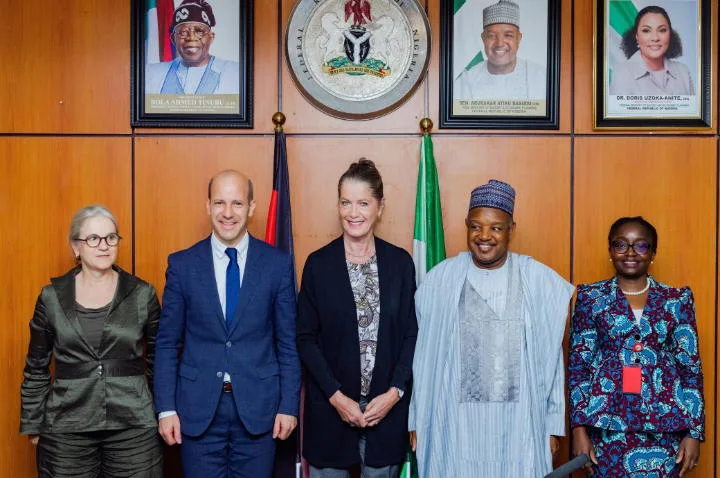
Nigeria and Germany have made a significant move to boost their economic ties, signing a €65 million development cooperation deal and a €300 million export credit facility. This agreement, reached in Abuja on Wednesday, is aimed at unlocking private investment and easing financing for key sectors. The deal's focus on private sector investment is what makes it significant, as it's expected to create new opportunities for businesses and drive growth.
The €65 million component of the deal will focus on concessional financing for small businesses, renewable energy, and women-led enterprises. On the other hand, the larger €300 million export credit line is structured to support public and private sector investments. According to Philipp Knill, BMZ Commissioner for Africa and Director of the Africa Directorate, who led the German delegation, the partnership is shifting towards catalytic funding designed to crowd in private capital. It's a strategy that won't only bring in new investments but also won't rely heavily on public funding.
One of the key areas of focus is the energy sector, with ongoing collaboration on the Presidential Power Initiative expected to scale transmission capacity by 25 gigawatts. This expansion will help increase access to reliable electricity. The initiative is also expected to expand access to reliable electricity, which is crucial for economic growth. Knill noted that the funds from the negotiations will be catalytic, aiming to mobilize the private sector. He added that the €300 million export credit line is open for public and private actors, and it can bring down costs for companies involved and reduce risk, which is what they're hoping to achieve.
Minister of Budget and Economic Planning, Senator Abubakar Atiku Bagudu, stated that the engagement reflects a long-standing partnership that has evolved into a strategic platform for investment, innovation, and shared growth. He highlighted recent reforms by the Federal Government, which have expanded fiscal space across states, improved revenue flows, and created new opportunities for private capital to engage directly at sub-national levels. These reforms are crucial, as they won't only increase revenue but also won't limit the government's ability to invest in key sectors.
The expansion in fiscal space has provided an opportunity for the private sector to go directly to the States. "We are very clear that to achieve our objectives as a country, we have to mobilize private money and in multiple ways of work," said Bagudu. They don't have to rely solely on public funding, which can be limited. The government's efforts to improve revenue flows have created new opportunities for private investment, which is what they're focusing on.
The National Economic Council, chaired by Vice President Kashim Shettima, has reached key agreements with state governments to coordinate reforms, sustain economic momentum, improve security collaboration, eliminate illegal economic activities, expand infrastructure financing through private capital, and strengthen social inclusion initiatives. Bagudu commended the German delegation, noting that the €65 million development support and €300 million export credit line would strengthen Nigeria's reform efforts, expand access to finance for businesses, and accelerate private sector-led growth. It's a partnership that won't only drive growth but also won't increase the country's debt burden.
The partnership between Nigeria and Germany is expected to have a significant impact on the country's economy, particularly in the areas of energy, agriculture, and small businesses. With the focus on catalytic funding and crowding in private capital, the agreement has the potential to unlock new investment opportunities and drive growth. The partnership won't only create new jobs but also won't improve living standards, which is what the government is aiming for.
Key Facts
- The deal includes a €65 million development cooperation component
- A €300 million export credit facility is part of the agreement
- The partnership aims to unlock private investment and ease financing for key sectors
- The energy sector is a key focus area, with collaboration on the Presidential Power Initiative
- The agreement is expected to expand access to reliable electricity and support small businesses, renewable energy, and women-led enterprises
As Nigeria continues to navigate its economic challenges, the partnership with Germany provides a much-needed boost. The focus on private sector-led growth and the expansion of access to finance for businesses are crucial steps towards driving economic development. With the right support and investment, Nigeria has the potential to unlock new opportunities and achieve significant economic growth. It's what the government is hoping to achieve, and they won't stop until they get there.
The agreement between Nigeria and Germany is a testament to the country's commitment to economic reform and development. As the partnership continues to evolve, it will be important to monitor its progress and assess its impact on the economy. The partnership won't only drive growth but also create jobs and improve living standards, which is what the government is aiming for. With the potential to drive growth, create jobs, and improve living standards, the partnership is an important step towards a more prosperous future for Nigeria.
In the coming months and years, it will be crucial to ensure that the partnership is implemented effectively and that the benefits are felt across the country. This will require continued collaboration between the Nigerian government, the German delegation, and the private sector. They'll have to work together to make it happen. With the right approach and commitment, the partnership has the potential to make a significant difference in the lives of Nigerians and contribute to the country's economic development. They won't be able to do it alone, but they can't do it without the private sector either.
The Nigerian government's efforts to expand fiscal space and improve revenue flows have created new opportunities for private capital to engage directly at sub-national levels. This shift towards private sector-led growth is a crucial step towards driving economic development and achieving the country's objectives. As the partnership with Germany continues to evolve, it is likely to play an important role in supporting this shift and driving growth. They're expecting it to make a significant impact, and they won't be disappointed.
With the focus on catalytic funding and crowding in private capital, the partnership between Nigeria and Germany has the potential to unlock new investment opportunities and drive growth. The agreement is a significant step towards achieving the country's economic objectives and improving living standards. As the partnership continues to evolve, it will be important to monitor its progress and assess its impact on the economy. The government will be keeping a close eye on it, and they won't hesitate to make adjustments if necessary.
The partnership between Nigeria and Germany is a significant development that has the potential to drive economic growth and improve living standards. The focus on private sector-led growth, the expansion of access to finance for businesses, and the support for small businesses, renewable energy, and women-led enterprises are all crucial steps towards achieving the country's economic objectives. As the partnership continues to evolve, it is likely to play an important role in supporting Nigeria's economic development and contributing to a more prosperous future for the country. The government is committed to making it work, and they won't stop until they achieve their goals. The country's economic future is looking brighter, and it's all thanks to the partnership with Germany.