

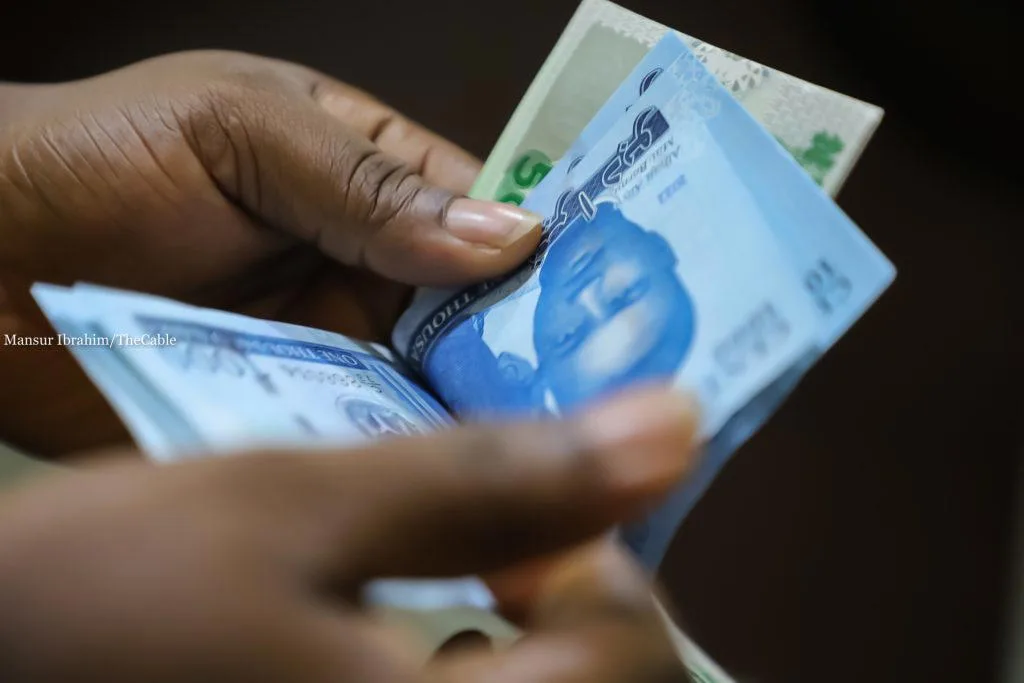
The naira appreciated to N1,388 per dollar in the parallel market yesterday. This improvement was also reflected in the Nigerian Foreign Exchange Market, NFEM, where the naira rose to N1,368.95 per dollar.
The rise in value isn't just a one-time fluke. Data from the Central Bank of Nigeria, CBN, showed that the indicative exchange rate for the market fell to N1,368.95 per dollar from N1,373 per dollar on Tuesday. It reflects a N4.05 appreciation for the naira.
The key factor behind this sudden appreciation is the increase in turnover in the interbank foreign exchange market. It jumped by 75.3 percent to $130.6 million from $74.5 million the previous day. This increase in activity is a sign that investors are becoming more confident in the naira. They're starting to see the naira as a more stable currency.
The margin between the parallel and official markets narrowed to N19.05 per dollar from N20 per dollar on Tuesday. This reduction in the margin suggests that the naira is becoming more stable. It's a sign that the market is responding to the Central Bank's efforts to regulate the economy.
Elizabeth Adegbesan, the author of the report, notes that the appreciation of the naira is a welcome development. It could lead to a reduction in the cost of imports. This, in turn, could lead to a decrease in inflation. She doesn't think it's a coincidence that the naira's value is increasing. It's a result of the Central Bank's policies, which are starting to pay off.
It's still early days to determine if this trend will continue. The naira has been known to be volatile, and any number of factors could affect its value. The economy is complex, and it's hard to predict what will happen next. But for now, the appreciation is a positive sign for the Nigerian economy. It's a sign that the country is moving in the right direction.
Key Facts
- The naira appreciated to N1,388 per dollar in the parallel market.
- The naira rose to N1,368.95 per dollar in the Nigerian Foreign Exchange Market, NFEM.
- The indicative exchange rate for the market fell to N1,368.95 per dollar from N1,373 per dollar on Tuesday.
- The turnover in the interbank foreign exchange market increased by 75.3 percent to $130.6 million.
- The margin between the parallel and official markets narrowed to N19.05 per dollar from N20 per dollar on Tuesday.
The Central Bank of Nigeria, CBN, plays a crucial role in regulating the foreign exchange market. It's responsible for setting the exchange rate and ensuring that the market operates smoothly. The CBN is headed by Godwin Emefiele, who has been the governor since 2014. He's been working to stabilize the economy, and it seems like his efforts are paying off.
As the Nigerian economy continues to evolve, the value of the naira will remain a key indicator of its health. The appreciation of the naira is a positive sign, but it's only one factor in the larger economic picture. There are many other factors that can affect the economy, and it's essential to consider them all. The economy is complex, and it's hard to predict what will happen next.
A stronger naira could lead to lower prices for imported goods, which would be a welcome relief for many consumers. It would make it easier for people to buy the things they need. But it's also important to remember that the naira's value can fluctuate rapidly, so it's essential to stay informed about the latest developments. You can't predict what will happen next, but you can prepare for it.
The Nigerian Foreign Exchange Market, NFEM, is a critical component of the country's economy. It provides a platform for buyers and sellers to exchange currencies, and its stability is essential for maintaining confidence in the naira. The market is volatile, and it's hard to predict what will happen next. But one thing is clear: the NFEM plays a crucial role in the economy.
The appreciation of the naira is a positive development for the Nigerian economy. It's a sign that the country is moving in the right direction. But it's only one part of the larger picture, and it's essential to stay informed about the latest developments to understand the full implications of this trend. The economy is complex, and it's hard to predict what will happen next. However, one thing is certain: the naira's value will continue to be a key indicator of the economy's health.
The Central Bank will continue to play a crucial role in regulating the economy, and it's essential to monitor their efforts.