

Kano State spent ₦1.5 billion on a mass wedding program involving 1,500 couples, but an APC stalwart, Bashir Abdullahi II, is questioning the government's priorities. In a statement, Abdullahi described the expenditure as a 'costly misplaced priority' and argued that Kano State required greater investment in education, healthcare, employment, and human capital development.
The mass wedding program, which involved couples from the state's 44 Local Government Areas, was coordinated by the Kano State Hisbah Board. Each beneficiary received ₦100,000 as dowry, ₦100,000 as a capital grant, household furniture, and other necessities. However, Abdullahi believes that the funds could have been better utilized elsewhere.
'A classroom remains after the ceremony. A trained teacher can educate generations of children. A young person equipped with a useful skill can earn an income and support a family. These are investments that create lasting capacity,' he said. Abdullahi urged the government to provide details of the expenditure and explain the long-term development outcomes expected from the program.
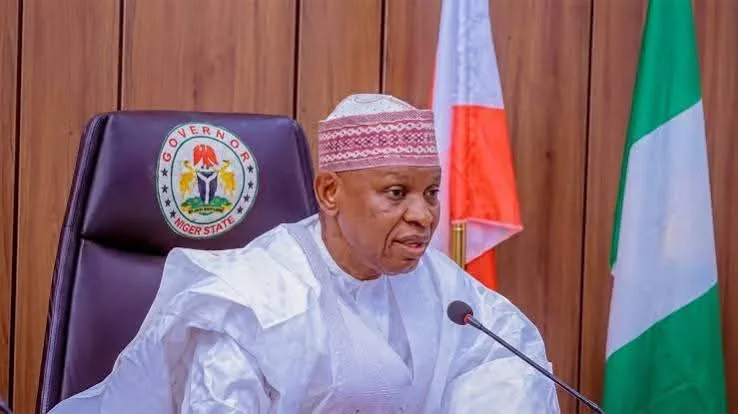
Governor Abba Kabir Yusuf defended the program, saying it was designed to support vulnerable residents, strengthen families, and promote social stability. However, Abdullahi countered that the program should be assessed not by the scale of the ceremony but by the long-term improvement it brought to the lives of the beneficiaries.
'A government that wants to fight poverty must therefore think beyond the wedding ceremony and invest in the economic capacity of families to sustain themselves,' he said. Abdullahi also urged governments in the North to give greater attention to education and human capital development, arguing that poverty could not be sustainably addressed through short-term interventions alone.
The APC stalwart stressed that his criticism was not directed at marriage or the beneficiaries of the program but at the government's priorities and the potential opportunity cost. 'A mass wedding may provide a new beginning for individual couples, but a good school can provide a new beginning for an entire generation,' he said.
Key Facts
- ₦1.5 billion was spent on the mass wedding program
- 1,500 couples were involved in the program
- Each beneficiary received ₦100,000 as dowry and ₦100,000 as a capital grant
- The program was coordinated by the Kano State Hisbah Board
- Governor Abba Kabir Yusuf defended the program as a way to support vulnerable residents and strengthen families
The Kano State Government has said the expenditure covered medical screening, dowries, business grants, furniture, food, and other essential items provided to the couples. However, Abdullahi believes that the funds could have been better utilized elsewhere.
The issue is not whether the beneficiaries deserved assistance, but whether the reported ₦1.5 billion was the most effective way to provide such support. Abdullahi argued that a one-off intervention could provide immediate relief without addressing the underlying economic challenges confronting beneficiaries. 'Marriage comes with responsibilities that last for years. Families need food, housing, healthcare, and education for their children,' he said.
Abdullaha said the reported ₦1.5 billion could have been channelled into classroom construction, teacher training, school feeding, healthcare, vocational education, and youth employment. He argued that such investments had the potential to benefit citizens over a longer period.
'When government spends ₦1.5 billion on a mass wedding in a state facing major development challenges, citizens are entitled to ask whether that money could have achieved a greater and more lasting impact elsewhere,' he said.