

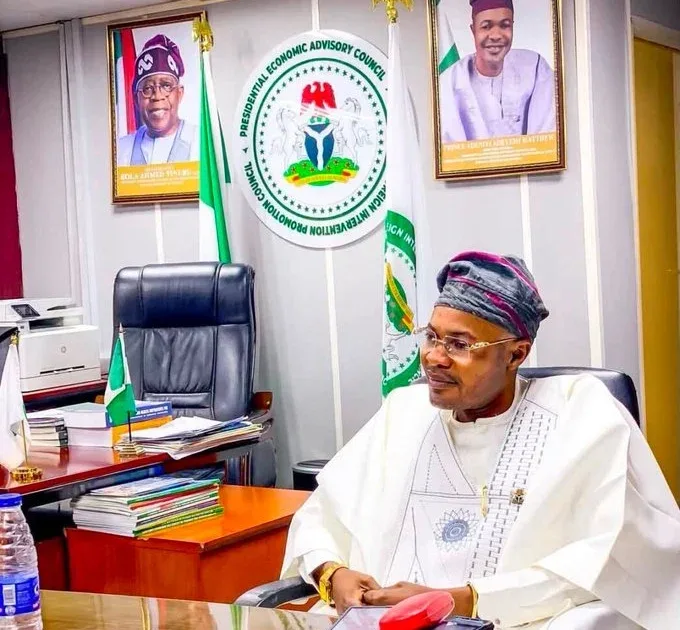
The Kwankwasiyya Movement has called for a probe into the allocation of over N1bn for the Presidential Foreign Intervention Promotion Council in the 2026 budget. Habibu Mohammed, spokesperson for the movement, asked a string of questions in a statement: 'If the council never existed, how did it find its way into the national budget? Who proposed and approved the allocation? Which government offices processed the documentation? Was any public money released or committed?'
The movement also questioned how official documents were allegedly forged and used for a long period without detection. Kwankwasiyya described the issues as matters of public accountability rather than partisan politics. They emphasized that this is not about one individual, but rather the government's handling of the controversy.
The movement pointed out that the Tinubu administration came into office promising 'Renewed Hope, institutional reform, and responsible governance'. They stated that these promises must now be measured against the government's willingness to provide full disclosure on this and other matters.
Kwankwasiyya stated that the controversy could affect Nigeria's reputation among foreign investors. Foreign investors assess the integrity of public institutions, and any uncertainty about government bodies or official appointments risks undermining confidence in Nigeria's governance and investment climate.
The movement called on the Presidency to publish details of the budgetary provision, including its origin, the administrative processes that led to it, and measures being taken to prevent a recurrence. They also urged the National Assembly, anti-corruption agencies, and other oversight institutions to conduct an independent investigation into the matter.
Kwankwasiyya stressed that Nigerians deserve a full explanation of the controversy without delay. They emphasized that every naira appropriated belongs to the Nigerian people, and every public institution must be accountable to them.
Habibu Mohammed said: 'We will continue to demand transparency, not because of politics, but because public office is a public trust.'
'If the council never existed, how did it find its way into the national budget?' Habibu Mohammed asked. 'Who proposed and approved the allocation? Which government offices processed the documentation? Was any public money released or committed?'
The movement pointed out that Kwankwasiyya has been demanding transparency and accountability from the government. They highlighted that the controversy has gone beyond the alleged misconduct of one individual.
The movement stated that Kwankwasiyya has been working on promoting transparency and accountability in the government. They emphasized that this is not just about the PFIPC, but about the government's handling of the controversy.
Habibu Mohammed said: 'Silence, contradictions, or attempts to shift responsibility will only deepen public distrust.'
Habibu Mohammed stated: 'Foreign investors assess not only economic policies but also the integrity of public institutions.'
Kwankwasiyya emphasized that transparency is crucial for public trust. The movement stated that Nigerians deserve a full explanation of the controversy without delay.
Key Facts
- Over N1bn was allocated for the PFIPC in the 2026 budget.
- The movement is demanding an independent investigation into the matter.
- The National Assembly, anti-corruption agencies, and other oversight institutions have been urged to investigate the PFIPC.
- The controversy has been described as a test of the Federal Government's transparency and accountability.
- The movement has stated that the Tinubu administration's record on transparency and accountability will be measured against its handling of the controversy.
- The movement has emphasized that Nigeria's reputation among foreign investors could be affected by the controversy.
The controversy surrounding the PFIPC has raised serious questions about transparency and accountability in the government. Kwankwasiyya has been demanding that the government take responsibility for the alleged misconduct of its officials. The movement has urged the National Assembly, anti-corruption agencies, and other oversight institutions to investigate the PFIPC and take necessary action.
The movement has stated that Kwankwasiyya has a long history of promoting transparency and accountability in the government. Habibu Mohammed emphasized that Kwankwasiyya has been working tirelessly to ensure that public office is a public trust.
The movement highlighted that Kwankwasiyya has played a crucial role in promoting transparency and accountability in the government. Habibu Mohammed stated that Kwankwasiyya has been at the forefront of the demand for transparency and accountability in the government.
The controversy surrounding the PFIPC has sparked debate about the role of the government in promoting transparency and accountability. Kwankwasiyya has emphasized that the government must take responsibility for the alleged misconduct of its officials.
Kwankwasiyya has emphasized that the government's handling of the controversy will be a test of its commitment to transparency and accountability. Habibu Mohammed stated that the movement will continue to demand transparency and accountability from the government.
The movement has emphasized that Kwankwasiyya has a responsibility to promote transparency and accountability in the government. Habibu Mohammed stated that Kwankwasiyya will continue to work tirelessly to ensure that public office is a public trust.