

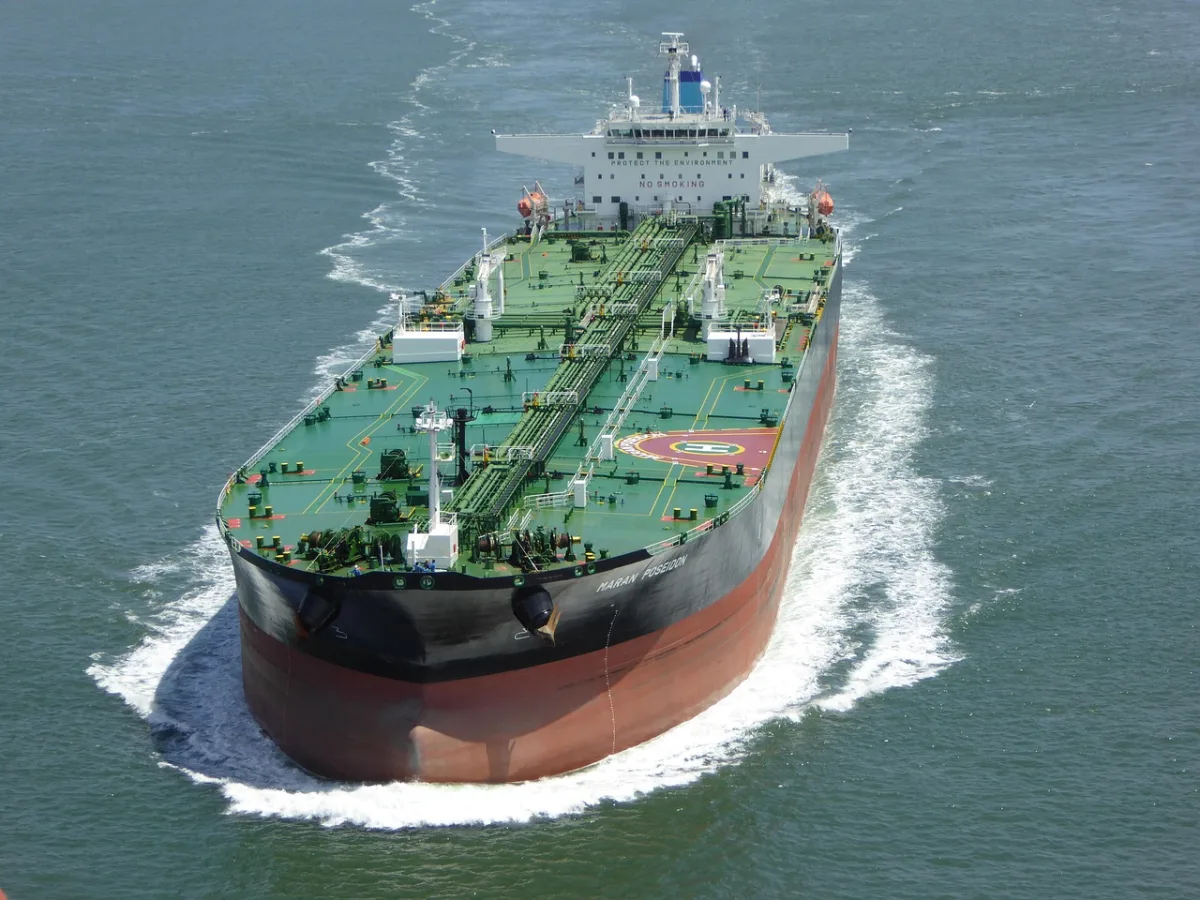
The Strait of Hormuz, a narrow waterway connecting the Persian Gulf to the Gulf of Oman, has become a focal point of tension between Iran and the United States. Iran has warned seafarers that ships passing through the strait must coordinate with its authorities, following the US announcement to escort stranded ships through the critical oil channel. This warning has significant implications for global oil trade, as the Strait of Hormuz is a vital waterway for the transportation of oil. The US has been trying to reassure its allies and the international community that it will ensure the safe passage of ships through the strait. However, Iran's warning has raised concerns about the potential for conflict in the region.
The US effort to escort stranded ships through the Strait of Hormuz is part of its broader strategy to counter Iran's influence in the region. The US has been imposing economic sanctions on Iran, which has led to a significant decline in the country's oil exports. The US has also been working with its allies to build a coalition to protect shipping lanes in the region. The coalition, known as the International Maritime Security Construct, aims to provide a framework for countries to work together to ensure the safe passage of ships through the Strait of Hormuz.
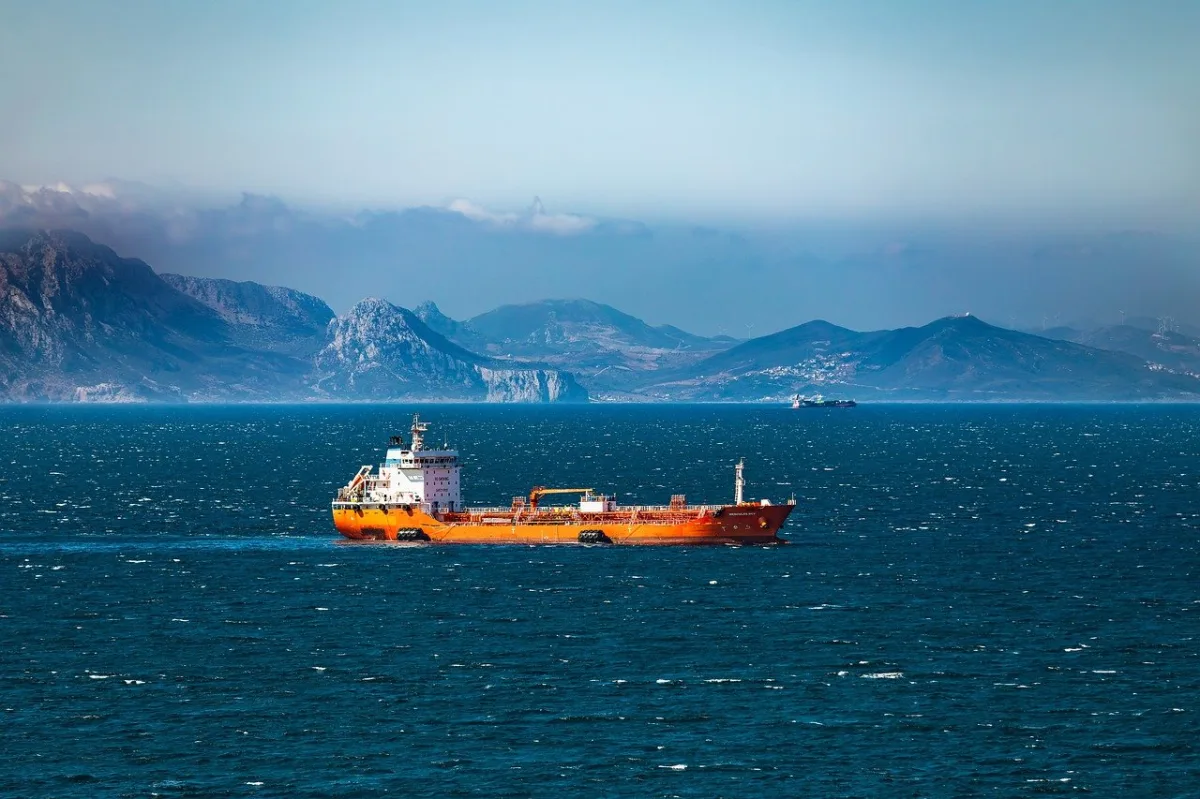
The tensions between Iran and the US have been escalating over the past year, with both countries engaging in a series of tit-for-tat actions. The US has imposed economic sanctions on Iran, which has responded by increasing its uranium enrichment activities. The US has also been building up its military presence in the region, which has raised concerns about the potential for conflict. The situation has become increasingly complex, with multiple countries and interests involved. The European Union, for example, has been trying to salvage the nuclear deal with Iran, which was signed in 2015.
The Strait of Hormuz is a critical waterway for global oil trade, with over 20% of the world's oil passing through it. Any disruption to the flow of oil through the strait could have significant implications for the global economy. The US and its allies have been working to reassure the markets that they will do everything possible to ensure the safe passage of ships through the strait. However, the situation remains volatile, and the potential for conflict is high.
Key Facts
- The Strait of Hormuz is a narrow waterway connecting the Persian Gulf to the Gulf of Oman.
- Over 20% of the world's oil passes through the Strait of Hormuz.
- The US has announced plans to escort stranded ships through the Strait of Hormuz.
- Iran has warned seafarers that ships passing through the strait must coordinate with its authorities.
- The US has been imposing economic sanctions on Iran, which has led to a significant decline in the country's oil exports.
- The International Maritime Security Construct is a coalition of countries working to protect shipping lanes in the region.
Background to the Conflict
The tensions between Iran and the US have been escalating over the past year, with both countries engaging in a series of tit-for-tat actions. The US has imposed economic sanctions on Iran, which has responded by increasing its uranium enrichment activities. The US has also been building up its military presence in the region, which has raised concerns about the potential for conflict. The situation has become increasingly complex, with multiple countries and interests involved. The European Union, for example, has been trying to salvage the nuclear deal with Iran, which was signed in 2015.
The nuclear deal, known as the Joint Comprehensive Plan of Action (JCPOA), was signed between Iran and the P5+1 countries (the US, UK, France, China, Russia, and Germany) in 2015. The deal aimed to limit Iran's nuclear activities in exchange for relief from economic sanctions. However, the US withdrew from the deal in 2018, which led to a significant escalation of tensions between Iran and the US. The US has been trying to build a coalition to pressure Iran to renegotiate the deal, but so far, the efforts have been unsuccessful.
The situation in the Strait of Hormuz is just one part of the broader conflict between Iran and the US. The US has been trying to counter Iran's influence in the region, which has led to a series of proxy wars and conflicts. The US has been supporting opposition groups in countries such as Syria and Yemen, where Iran has significant influence. The conflict has become increasingly complex, with multiple countries and interests involved.
The Importance of the Strait of Hormuz
The Strait of Hormuz is a critical waterway for global oil trade, with over 20% of the world's oil passing through it. Any disruption to the flow of oil through the strait could have significant implications for the global economy. The US and its allies have been working to reassure the markets that they will do everything possible to ensure the safe passage of ships through the strait. However, the situation remains volatile, and the potential for conflict is high.
The Strait of Hormuz is just 21 miles wide at its narrowest point, making it a challenging waterway to navigate. The strait is also shallow, with an average depth of just 200 feet. This makes it difficult for large ships to pass through, and any disruption to the flow of oil could have significant implications for the global economy. The US and its allies have been working to build up their military presence in the region, which has raised concerns about the potential for conflict.
The situation in the Strait of Hormuz has significant implications for the global economy. Any disruption to the flow of oil through the strait could lead to a significant increase in oil prices, which could have a major impact on the global economy. The US and its allies have been working to reassure the markets that they will do everything possible to ensure the safe passage of ships through the strait. However, the situation remains volatile, and the potential for conflict is high.
The Role of the International Community
The international community has been trying to play a role in resolving the conflict between Iran and the US. The European Union, for example, has been trying to salvage the nuclear deal with Iran, which was signed in 2015. The EU has been working to build a coalition to support the deal, which has been successful in reducing Iran's nuclear activities. However, the US has been trying to build a coalition to pressure Iran to renegotiate the deal, which has led to a significant escalation of tensions.
The United Nations has also been trying to play a role in resolving the conflict. The UN has been working to build a framework for negotiations between Iran and the US, which has been successful in reducing tensions. However, the situation remains complex, and the potential for conflict is high. The UN has been working to build a coalition to support the negotiations, which has been successful in reducing tensions.
The situation in the Strait of Hormuz is just one part of the broader conflict between Iran and the US. The conflict has become increasingly complex, with multiple countries and interests involved. The international community has been trying to play a role in resolving the conflict, but so far, the efforts have been unsuccessful.
The Future of the Conflict
The future of the conflict between Iran and the US is uncertain. The situation remains volatile, and the potential for conflict is high. The US has been trying to build a coalition to pressure Iran to renegotiate the nuclear deal, which has led to a significant escalation of tensions. However, the international community has been trying to play a role in resolving the conflict, which has been successful in reducing tensions.
The conflict has significant implications for the global economy. Any disruption to the flow of oil through the Strait of Hormuz could lead to a significant increase in oil prices, which could have a major impact on the global economy. The US and its allies have been working to reassure the markets that they will do everything possible to ensure the safe passage of ships through the strait. However, the situation remains volatile, and the potential for conflict is high.
The situation in the Strait of Hormuz is just one part of the broader conflict between Iran and the US. The conflict has become increasingly complex, with multiple countries and interests involved. The international community has been trying to play a role in resolving the conflict, but so far, the efforts have been unsuccessful. The future of the conflict is uncertain, and the potential for conflict is high.
The Impact on the Global Economy
The conflict between Iran and the US has significant implications for the global economy. Any disruption to the flow of oil through the Strait of Hormuz could lead to a significant increase in oil prices, which could have a major impact on the global economy. The US and its allies have been working to reassure the markets that they will do everything possible to ensure the safe passage of ships through the strait. However, the situation remains volatile, and the potential for conflict is high.
The global economy is heavily reliant on oil, and any disruption to the flow of oil could have significant implications. The US, for example, imports over 40% of its oil from the Middle East, which makes it vulnerable to any disruption to the flow of oil. The EU is also heavily reliant on oil from the Middle East, which makes it vulnerable to any disruption to the flow of oil. The conflict between Iran and the US has significant implications for the global economy, and the situation remains volatile.
The situation in the Strait of Hormuz has significant implications for the global economy. The strait is a critical waterway for global oil trade, and any disruption to the flow of oil could have significant implications. The US and its allies have been working to reassure the markets that they will do everything possible to ensure the safe passage of ships through the strait. However, the situation remains volatile, and the potential for conflict is high.