

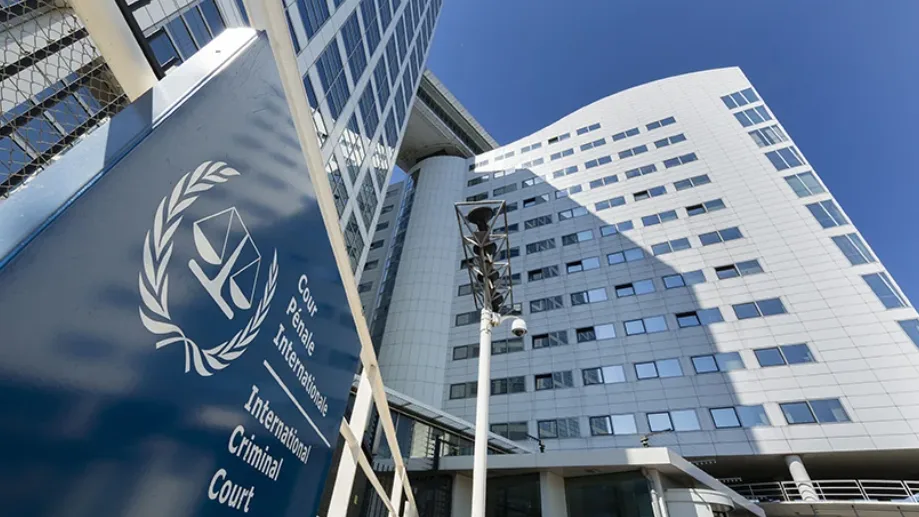
The International Criminal Court (ICC) has shut down a petition that called for a probe into alleged "systemic kidnappings in Nigeria as crimes against humanity." Pre-Trial Chamber II of the court officially tossed the complaint on September 1, 2026, stating it simply had no legal grounding. This decision comes at a time when worries about the constant stream of kidnappings across Nigeria are already high.
The petition itself, filed by someone who wishes to remain anonymous, was received by the court's Registrar on August 24, 2026. It was formally titled, "Formal Communication Requesting Investigation into Systemic Kidnappings in Nigeria as Crimes Against Humanity." After being passed to Pre-Trial Chamber II just two days later, the three judges on the panel — Rosario Salvatore Aitala, Sergio Godínez, and Haykel Mahfoudh — made quick work of it, dismissing it on September 1.
But Nigeria's Attorney-General and Minister of Justice, Lateef Fagbemi, isn't happy with how this whole thing was handled. He feels it was completely improper for the President of the ICC Pre-Trial Division to even send an unverified, anonymous filing to a chamber without first checking if it even had the right to look at it, or if it was just a load of nonsense.
In a statement released on Thursday, Fagbemi pointed out that on August 26, 2026, the President of the Pre-Trial Division improperly kicked off a procedural process. He assigned a filing from an anonymous source, which hadn't been verified, to Pre-Trial Chamber II. Fagbemi argues this was done without checking if the chamber had the legal competence or if the complaint was obviously frivolous. He believes this administrative shortcut bypasses the crucial safeguards built into the court's regulations. "For the avoidance of doubt," Fagbemi stated, "internal administrative guidelines cannot be used to bypass the strict rules established under the Rome Statute."
The minister also stressed that the authority to assess information or demand an investigation actually lies with the ICC Prosecutor. Alternatively, such a request could come through a formal referral from a State Party or the United Nations Security Council. He made it clear that neither the President of the Pre-Trial Division nor a Pre-Trial Chamber has the power under the Rome Statute to accept anonymous petitions or interfere with the internal security matters of a sovereign country like Nigeria. Fagbemi warned that these procedural missteps could cast an unfair shadow on the ICC's judicial processes and potentially damage the good working relationship Nigeria has built with the court.
Still, the Attorney-General was quick to reassure Nigerians that the ICC hasn't actually started any investigation against the Nigerian government or any of its institutions over this petition. He reiterated that the Federal Government is still committed to protecting Nigeria's sovereignty while also making sure to cooperate with international bodies, but only within the established legal frameworks and procedures. The entire saga highlights the careful balance Nigeria seeks to strike between managing its internal security challenges and engaging with international legal bodies.