

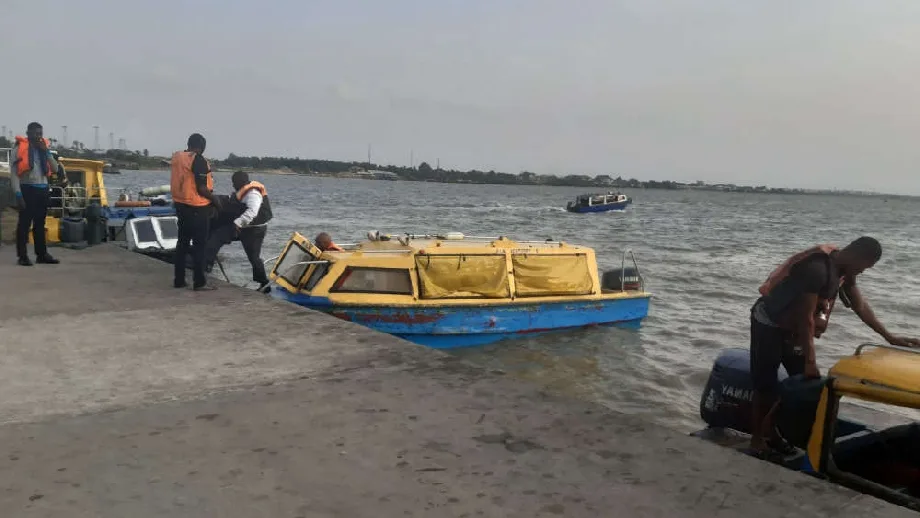
Lagos State's waterways are getting a €170 million injection from the European Investment Bank (EIB) to turn the city's neglected lagoons and creeks into a proper public transport network.
The money's for the Omi Eko Project — a plan to build 15 ferry routes stretching 140 kilometres, with 25 upgraded terminals and 75 electric ferries. Each boat will carry up to 440 passengers. The goal is to move water transport's share of commuter trips from less than 1% today to 8% by 2032.
This is the first time LASWA (Lagos State Waterways Authority) and the EIB are working together. The EIB loan is backed by the European Union under its Global Gateway Initiative, which focuses on infrastructure in Africa. The project is also co-financed by the French Development Agency (AFD) with a €130 million sovereign loan and the European Commission with a €60 million investment grant.
Lagos State Commissioner for Transportation, Oluwaseun Osiyemi, said the state is ready to provide the enabling environment — political will, policy consistency, transparency, and accountability — to make sure the project meets global standards.
"We strongly support this flagship green project, which will develop a more safe, efficient and affordable public transport in Lagos," said EIB Vice-President Ambroise Fayolle. "It will improve the daily lives of Lagos' large population while boosting sustainable growth and job opportunities."
Oluwadamilola Emmanuel, Special Adviser to the Governor on Blue Economy, called the signing a significant milestone in unlocking the full potential of the Blue Economy. He said the project will showcase what visionary leadership and strategic international partnership can achieve.
The Omi Eko Project is part of the Abidjan-Lagos strategic corridor, which the EU supports under the Global Gateway strategy. It aligns with Nigeria's national transport priorities and the UN Sustainable Development Goals.
The signing ceremony happened at LASWA headquarters on Thursday. Present were Fayolle, EU Ambassador Gautier Mignot, and French Consul General Laurent Favier.
The project includes fully electric vessels that will cut greenhouse gas emissions and reduce water pollution. It also covers new maintenance facilities for the fleet.
For now, less than 1% of Lagos commuters use water transport — partly because of poor infrastructure, safety concerns, and limited routes. The state hopes that with modern terminals, reliable electric boats, and better connections to road and rail, more people will choose the waterways.
The project is expected to improve access for underserved waterfront communities and save commuters both time and money. If it hits the 8% target by 2032, that would mean hundreds of thousands of daily trips shifted from congested roads to the water.
- €170 million: EIB loan for Omi Eko Project
- 15 ferry routes covering 140 km
- 25 upgraded terminals across Lagos
- 75 electric ferries, each carrying up to 440 passengers
- Target: 8% of commuter trips by 2032 (from <1% now)
- Co-financing: AFD (€130m loan) + European Commission (€60m grant)