

The single sharpest fact in one or two punchy sentences. Who did what, where, when, and why it matters. Not a summary of everything — the one thing that makes someone stop scrolling.
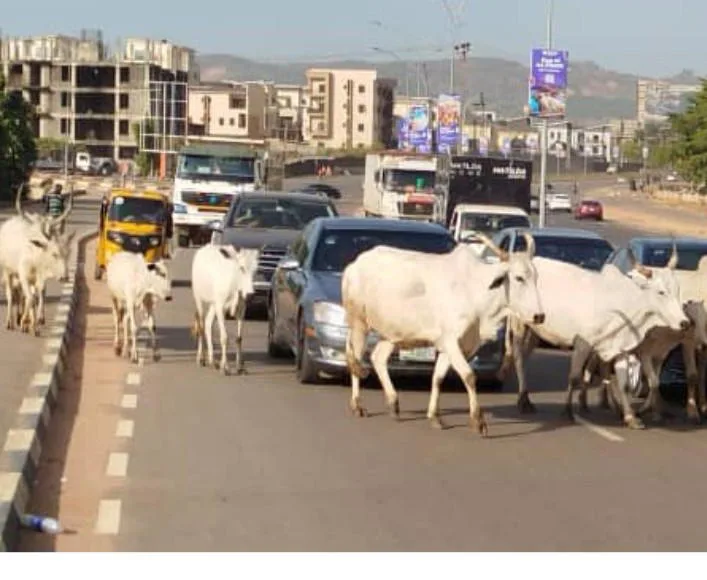
The Delta State Livestock Breeding, Rearing and Marketing Regulation Law, 2021, was enacted to end open grazing, protect crops, and promote modern ranching. But nearly five years on, the central question is whether it has transcended legislative symbolism to become an effective regulatory instrument.
The law prohibits open grazing and carrying firearms, and establishes Livestock Management Committees at state and local government levels. Its legislative intent is unassailable. But efficacy depends on enforcement, and here the law has manifestly failed.
The Delta State Police Command admitted it had never received the law. A law the primary enforcer has not received cannot be enforced. The NBA and lawmakers have accused the police of selective enforcement, prioritising indecent dressing over anti-grazing.
The state's 45-man Livestock Management Operatives have been obstructed; Divisional Police Officers have refused to collaborate and released arrested suspects without the Committee's consent. This lack of cooperation highlights the deep-seated problems within the policing system.
Local government task forces remain largely unestablished, in December 2024, the Executive Assistant to the Governor was still charging chairmen to set them up, three years after enactment. This delay is a significant setback for the law's implementation.
According to Dr Eric Omare Esq, a Senior Warri-based legal practitioner, 'The First is institutional challenge. Laws are supposed to be enforced by the police, but the state governments that enacted the anti-grazing laws unfortunately do not have control over the police to ensure enforcement.'
He added, 'The Second is the lack of political will. Merely enacting a law is not enough. The government must have the political will to enforce the anti-grazing law. I think the political will is lacking.'
Francis Avbenagha Esq agrees, 'The evidence suggests that the Delta State Anti-Open Grazing Law has not been effective in reducing open grazing and protecting farmlands. The law's failure to enforce itself highlights the need for a more robust approach to implementing anti-grazing laws across the country.'
Key Facts
- The Delta State Livestock Breeding, Rearing and Marketing Regulation Law, 2021, was enacted five years ago to end open grazing and protect crops.
- The law prohibits open grazing and carrying firearms, and establishes Livestock Management Committees at state and local government levels.
- The Delta State Police Command has admitted that it never received the law, highlighting the institutional challenges facing the enforcement of anti-grazing laws.
- Local government task forces remain largely unestablished, with many chairmen yet to commence implementation.
- Dr Eric Omare Esq argues that the lack of political will is a significant setback for the law's implementation.
- Francis Avbenagha Esq agrees that the law has failed to reduce open grazing and protect farmlands.
- The state's 45-man Livestock Management Operatives have been obstructed, while Divisional Police Officers have refused to collaborate and released arrested suspects without the Committee's consent.
Context The Delta State Livestock Breeding, Rearing and Marketing Regulation Law, 2021, is a commendable legislative effort aimed at addressing the challenges of open grazing and promoting ranching in the state. However, its failure to enforce itself highlights the need for a more robust approach to implementing anti-grazing laws across the country.