

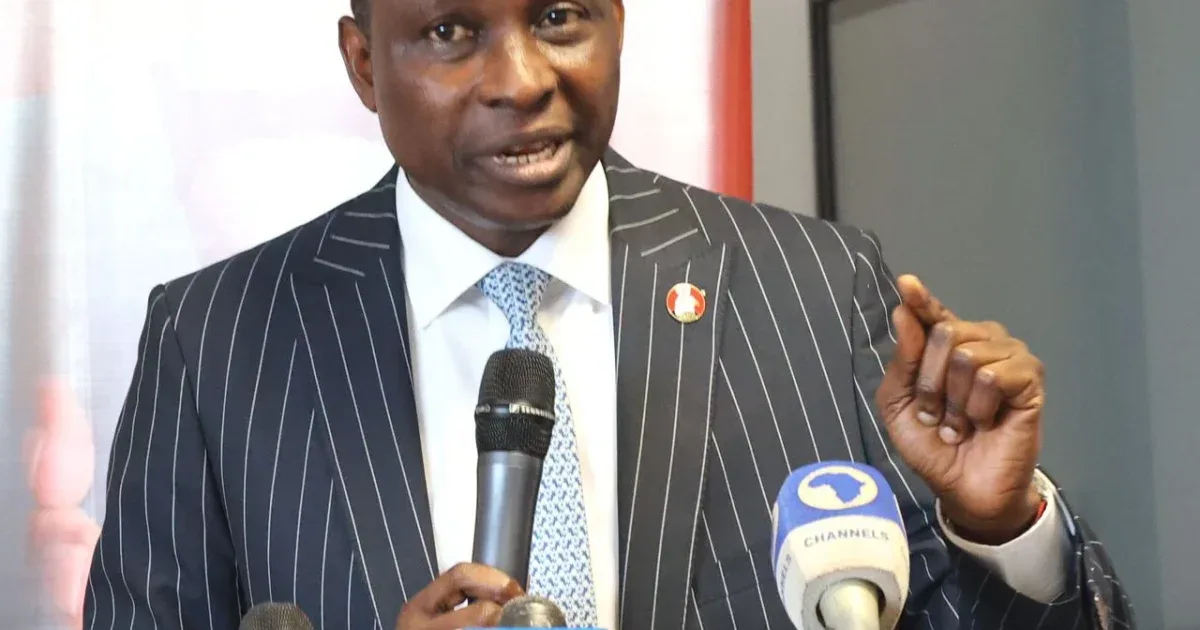
EFCC Chairman Identifies Contract Fraud as Most Prevalent Corruption
Ola Olukoyede, the Chairperson of the Economic and Financial Crimes Commission (EFCC), has blown the lid on the rampant corruption in Nigeria's public sector. Speaking at a recent induction programme for members of the South-South Development Commission (SSDC) in Abuja, Olukoyede named contract fraud as the most common form of corruption within government institutions.
According to Olukoyede, contract fraud occurs when those in positions of authority rig the procurement process to favour themselves or preferred companies. This, he warned, can happen through contract splitting, bid manipulation, awarding contracts to unqualified companies, and making payments for poorly executed or abandoned projects.
Olukoyede also listed outright theft of public funds, diversion of resources, bribery and kickbacks, misappropriation, procurement fraud, payroll and pension fraud, and duty tour allowance fraud as other forms of corruption in the public sector. He expressed concern that annual losses to corruption in Nigeria's public service run into billions of naira.
The EFCC Chairman reminded the newly appointed officials of the SSDC governing board that the EFCC was established in 2003 to combat economic and financial crimes through investigation, prosecution, asset recovery, and public enlightenment. He urged them to familiarise themselves with the Financial Regulations, Public Service Rules, and the Procurement Act, stressing the need for strict compliance with all relevant laws.
Olukoyede also warned against seeking contracts from institutions they serve, operating foreign bank accounts, engaging in businesses incompatible with public office, or conducting financial transactions outside recognised financial institutions. 'Before you sign that document, study it. Your signature is your name and integrity. Guard it,' he advised.
Key Facts
- Contract fraud is the most prevalent form of corruption in Nigeria's public sector, according to Olukoyede.
- Annual losses to corruption in Nigeria's public service run into billions of naira.
- The EFCC was established in 2003 to combat economic and financial crimes.
- The Procurement Act, Financial Regulations, and Public Service Rules must be strictly complied with by public officials.
- Public office is not an opportunity for self-enrichment, but a responsibility to safeguard national resources.
Olukoyede's warning is a stark reminder that corruption affects everyone, especially those in positions of authority. The EFCC Chairman's message to the newly appointed officials is clear: public service is not a means to an end, but a commitment to serving the public interest. As Nigerians, we must continue to demand transparency and accountability from our leaders and hold them accountable for any wrongdoing.
'From my experience in regulatory compliance, by far the most common form of corruption within the public service space is contract fraud, where those who lead government establishments set out to enrich themselves by rigging the procurement process.'
- EFCC Chairman Ola Olukoyede