

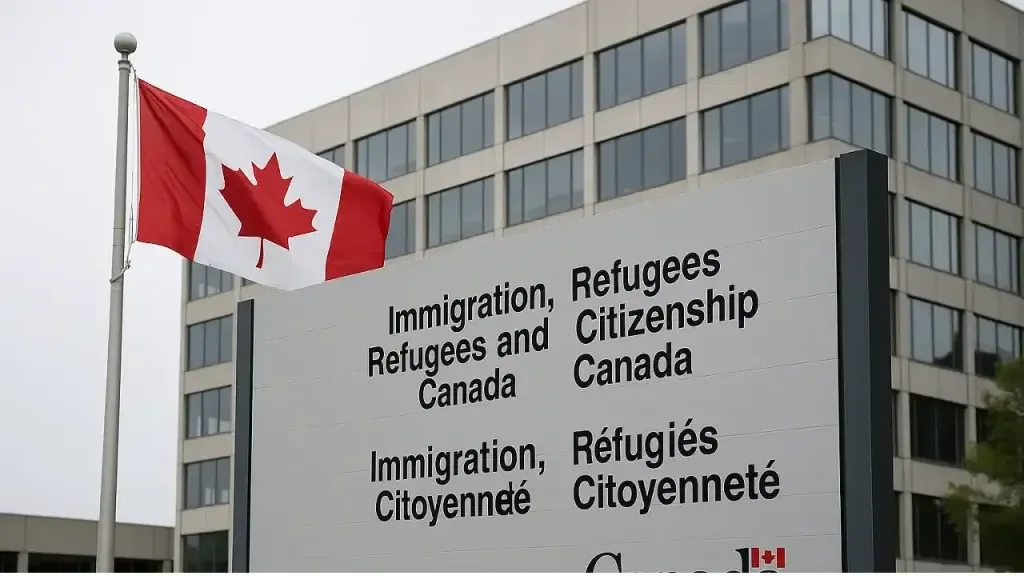
Canada has a lot of catching up to do if it wants to hit its ambitious immigration numbers for 2026. In the first six months of the year, from January to June, a total of 182,100 new permanent residents were welcomed into the country. This sounds like a lot, but it only represents about 40.8 per cent of the adjusted target for the year, which is 446,000 people.
The government had initially aimed for 380,000 newcomers. That number was bumped up, however, because of two special programs. These one-time initiatives are designed to give permanent residency to protected people and workers who are already living in Canada. Without meeting this adjusted target, the country will have to pull off a serious immigration sprint in the second half of the year. You're looking at needing to admit another 263,900 people between July and December to make the goal.
The biggest chunk of these new residents came through economic immigration programs. These are the pathways for skilled workers and business people, things like the famous Express Entry system and the Provincial Nominee Program. Between January and June, 89,200 people were admitted under this category. However, this is where Canada is falling behind the most. It's about 30,700 fewer admissions than needed to stay on track for the year's target of 239,800 for economic class immigrants.
On the flip side, things are looking better for family reunification. Canada welcomed 45,100 permanent residents through the family class in the first half of the year. This puts them slightly ahead of the pace needed to meet their annual target of 84,000 for family members like spouses, partners, children, and parents.
The numbers for refugees and protected persons aren't quite as rosy. Only 17,900 individuals were admitted in this category by the end of June. The target for the year is 49,300. This means Canada is about 6,750 admissions short of where it needs to be. This category includes refugees sponsored by the government, those sponsored by private groups, and people already in Canada who have been granted protection.
Let's talk about those special programs. The one for protected persons aims to welcome 46,000 people this year, and so far, 15,000 have been admitted. That's about 33 per cent of the goal. The initiative for workers already in Canada wants to admit 20,000 people, and they've managed to bring in 11,300. This one is doing better, hitting 57 per cent of its target.
Interestingly, Canada is also trying to boost the number of French-speaking immigrants. Of the permanent residents admitted outside Quebec in the first half of 2026, 12,400 were either French-speaking or bilingual. The goal is for these individuals to make up 9 per cent of all new permanent residents outside Quebec. To encourage this, they've even started giving French-speaking candidates an edge in the Express Entry system. In fact, nearly 40 per cent of the invitations to apply issued through Express Entry this year have gone to French speakers.
But the big question remains: can Canada speed things up in the next six months? With just over 40 per cent of its adjusted target met by mid-year, it's going to take a significant push to reach that 446,000 mark by December 31st. It's a balancing act, trying to bring in people who can fill labour needs while also keeping families together and offering refuge.