

The hallowed halls of 60 Minutes are currently echoing with the sound of slamming doors and angry departure statements. CBS News dropped a bombshell on Thursday, confirming a major overhaul of the Sunday night staple that has left industry veterans reeling and questioning the future of the show’s legendary editorial independence. Among those shown the door are correspondent Cecilia Vega, who joined in 2023, and Draggan Mihailovich, the long-serving executive editor who had been with the programme for decades.
Sharyn Alfonsi, the veteran correspondent who recently clashed with network leadership, also confirmed her exit. Her departure didn't come as a total shock to those who had been tracking her public warnings about 'corporate meddling' inside the newsroom. She claimed her contract wasn't renewed specifically because she refused to let the network 'sanitize' a report on a controversial prison in El Salvador.
This was not a routine corporate transition; it was a deliberate choice to penalize a journalist for refusing to sanitize factually accurate reporting, and it sends a chilling message to the entire newsroom.
The shake-up extends all the way to the top of the production ladder. Tanya Simon, the daughter of the late, great reporter Bob Simon, has been ousted from her role as the show’s top producer. She had taken that mantle just last year following the departure of longtime executive producer Bill Owens. Her removal has particularly stung staff members who believed her promotion was a sign that the show’s owner, Paramount, wanted to protect the programme's successful, long-standing format.
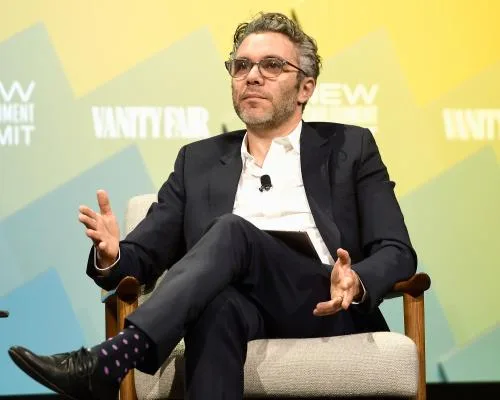
Taking over the big chair is Nick Bilton, a former New York Times tech journalist with zero prior experience producing a broadcast television show. His appointment has raised more than a few eyebrows, especially given the current state of traditional media. Bari Weiss, who became editor-in-chief of CBS News in October 2025, championed the hire. Weiss herself came from an opinion commentary background rather than the trenches of hard-hitting broadcast news, a fact that hasn't gone unnoticed by those left in the office.
Cecilia Vega didn't hold back in her parting shots, suggesting that political bias is now running the show at CBS. She revealed that she was fired with nearly a full year left on her contract. Her accounts describe a toxic environment where production teams are now actively avoiding certain news topics entirely because they fear the professional fallout.
It’s a grim shift for a show that held the record as the most-watched news programme on television for 52 consecutive seasons. The programme averaged 9.1 million viewers in its most recent season, maintaining its status as a behemoth of American media. However, Nick Bilton’s own memo suggests he isn't interested in maintaining the status quo, famously stating that his job is not to 'preserve it under glass.'
The New Strategy
Bilton’s memo to his new staff focused heavily on the need to modernise how news is consumed in an age where people aren't just sitting down in front of their televisions at 7 PM on a Sunday. He indicated that he wants to expand the 60 Minutes brand well beyond its traditional weekly time slot. His plan includes looking at 'the next generation of correspondents' and figuring out how to make the show relevant for a 24-hour news cycle. He has promised a 'battle plan' in roughly a month, leaving current staff waiting to see which heads might roll next.
This entire saga is playing out against a backdrop of wider industry shifts. Anderson Cooper, the famous CNN anchor, had already announced in February that he wouldn't be returning for the 59th season, citing a desire to spend more time with his family. The loss of Cooper combined with the forced exits of Alfonsi and Vega leaves a gaping hole in the show's roster. Whether this 'entrepreneurial' pivot by Bilton saves the ratings or alienates the audience that has tuned in for half a century is the question currently keeping CBS executives awake at night. For now, the remaining staff are being told to hold the line, though many say they have already started questioning where their own personal red lines might be.