

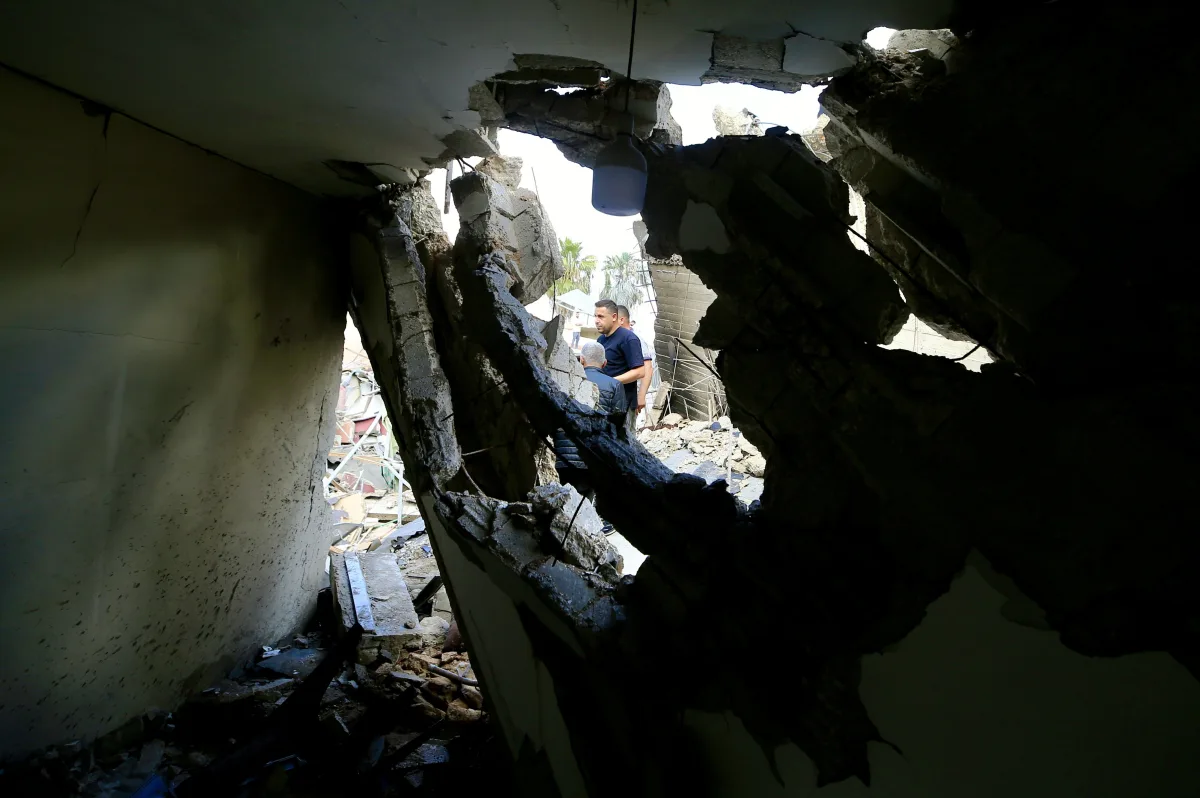
The ground is literally shaking in southern and eastern Lebanon as Israeli jets hammered the region with over 120 air strikes in a single day. This burst of violence is being framed as a necessary move by Israeli Prime Minister Benjamin Netanyahu to create a fortified buffer zone. For the people living in the shadow of these bombs, it’s just another day of trying to stay alive. The strikes have moved well past the original security zones. This signals a new, more aggressive phase in a conflict that seems to have completely forgotten the ceasefire agreement signed just last month.
The military is operating with large forces in the field and capturing and controlling areas.
This is what Prime Minister Benjamin Netanyahu told the world as his troops pushed beyond the so-called Yellow Line. That line was never meant to be a permanent border, but for now, it's the edge of a 5 to 10-kilometre buffer zone that Israel is carving out deep inside Lebanese territory. The military has told residents in dozens of villages to clear out. They aren't just sitting there; they're actively destroying homes to make sure no one can come back anytime soon. This military tactic denies Hezbollah any cover, but it leaves thousands of civilians with absolutely nothing to return to.
Lebanon’s health ministry reported 31 deaths from these latest raids, a grim toll that includes two children and three women killed in Burj al-Shamali. These aren't just statistics; they're families who were probably trying to cook a meal or sleep when the strikes started. The destruction also touched some of the region’s most precious history, with blasts recorded near the 900-year-old Beaufort Castle. This medieval fortress has stood for centuries through countless wars. Now it’s finding itself caught in the crosshairs of a modern conflict.
Water infrastructure hasn't been spared either, as bombs landed near the Qaraoun Dam, the largest water reservoir in the entire country.
The crumbling ceasefire
When the ceasefire was announced on April 16, there was a fleeting moment of hope that the madness might stop. That hope has effectively evaporated. Israel says it’s targeting Hezbollah positions because the group refused to stop firing rockets. Hezbollah claims it’s only defending the land against encroaching tanks and drones. The cost of this breakdown is staggering.
Since the offensive shifted gears on March 2, over 3,200 people have lost their lives in Lebanon. Nearly 10,000 others are nursing injuries that will likely haunt them for years to come.
Israel isn't escaping the pain of this war either. Ten of their soldiers have been killed since the April truce was supposed to start, with six of those deaths caused by Hezbollah’s explosive drones. It shows that even with all the high-tech gear and air superiority, the fighting is becoming a dangerous game of cat and mouse where soldiers on both sides are paying the ultimate price. Iran is pointing fingers at the United States, claiming that recent strikes on southern Iran by the U.S. have effectively nullified any remaining chance of regional calm.
For those watching from afar, including the diaspora in Nigeria and across the globe, it’s a terrifying reminder of how quickly a localized clash can spiral into something much bigger. We aren't just talking about a border dispute anymore. We are looking at the potential for a long-term occupation of southern Lebanon. As the military continues to operate according to the directives of their political bosses, the civilians trapped in the middle are just hoping for a tomorrow that doesn't include the sound of fighter jets overhead. The humanitarian crisis is intensifying daily as international diplomatic efforts face a prolonged stalemate.