

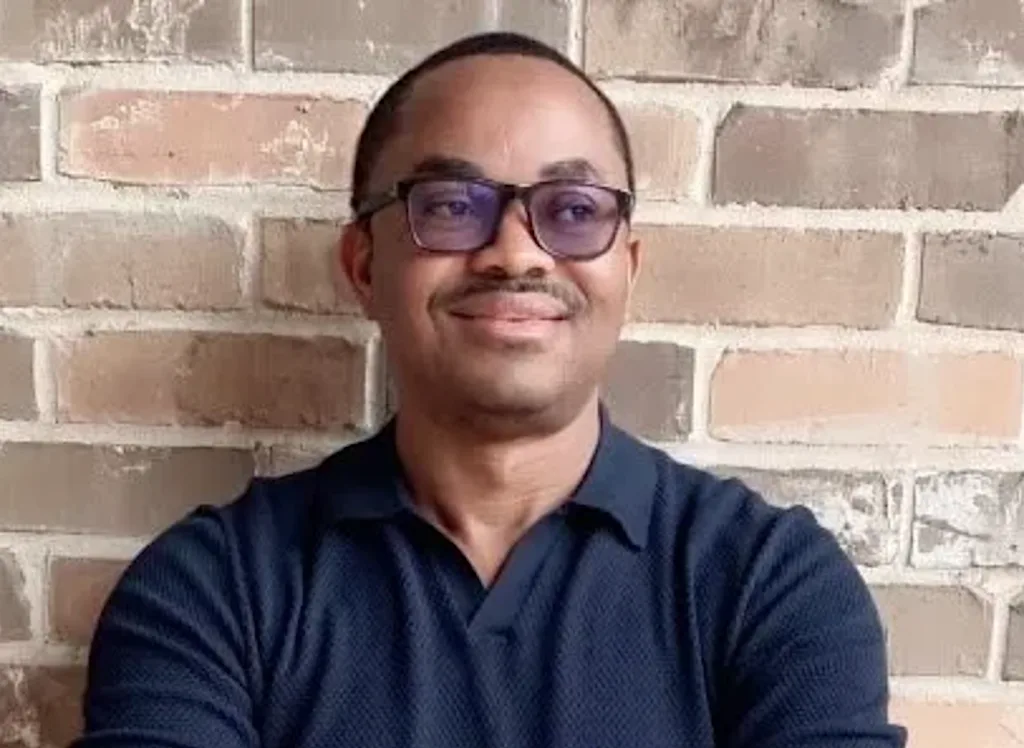
The article, published on May 8, 2026, in Premium Times Nigeria, has sparked a conversation about the intersection of social media and everyday life. Osmund Agbo, the author, shares his personal experience of being a private person in a world where everyone's life is becoming content. He and his wife, who value their quiet lifestyle, often find themselves at the center of jokes about their conservatism. This self-deprecation is a coping mechanism, allowing them to navigate the complexities of social media scrutiny. As they navigate the complexities of online personas, they're not alone in this struggle.
Many Nigerians are facing similar challenges, where their personal lives are becoming public fodder for social media consumption.
The Odogwu illusion, as Agbo calls it, refers to the idea that people's lives are being transformed into content for public consumption. This phenomenon is particularly prevalent in Nigeria, where social media has become an integral part of daily life. With the rise of platforms like Instagram, Facebook, and Twitter, Nigerians are increasingly sharing their personal experiences, thoughts, and feelings with a wider audience. While this has created new opportunities for connection and community-building, it also raises concerns about the blurring of reality and online personas. As people curate their online presence, they may feel pressure to present a perfect image, hiding their true selves and struggles.
This can lead to a sense of disconnection and isolation, even in the midst of a crowded online space.
The implications of this trend are far-reaching, affecting not only individuals but also Nigerian society as a whole. As people's lives become more public, there's a risk of losing the private sphere, where individuals can be themselves without fear of judgment or scrutiny. This can have serious consequences, from mental health issues to the erosion of trust and intimacy in relationships. Furthermore, the commodification of personal experiences can create a culture of voyeurism, where people are more focused on consuming others' lives than living their own. This can lead to a sense of emptiness and disconnection, as individuals become more invested in their online personas than their real-life relationships.
Key Facts
- Osmund Agbo published an article on May 8, 2026, in Premium Times Nigeria.
- The article discusses the impact of social media on Nigerian society.
- Agbo and his wife prefer a quiet lifestyle and occasionally joke about their conservatism.
- The Odogwu illusion refers to the idea that people's lives are becoming content for public consumption.
- Social media has become an integral part of daily life in Nigeria.
- The rise of social media has created new opportunities for connection and community-building.
- There are concerns about the blurring of reality and online personas.
- The commodification of personal experiences can create a culture of voyeurism.
The Rise of Social Media in Nigeria
Social media has become a ubiquitous part of Nigerian life, with many people using platforms like Instagram, Facebook, and Twitter to connect with others and share their experiences. This has created new opportunities for community-building and social connection, particularly among young people. However, it also raises concerns about the impact of social media on mental health, relationships, and the blurring of reality and online personas. As social media continues to evolve, it's essential to consider the potential consequences of this trend and how it may shape Nigerian society in the future. With the rise of social media influencers and content creators, there's a growing pressure to present a perfect online image, which can be damaging to individuals' self-esteem and mental health.
The Nigerian government has also taken notice of the impact of social media on society, with some officials calling for greater regulation of online platforms. While this may help to mitigate some of the negative effects of social media, it's also important to consider the potential risks of censorship and the erosion of free speech. As the conversation around social media and its impact on Nigerian society continues, it's essential to find a balance between promoting online safety and protecting individual freedoms. This can be achieved through education and awareness campaigns, as well as initiatives that promote healthy social media habits and digital literacy.
The Commodification of Personal Experiences
The Odogwu illusion is not just a phenomenon limited to Nigeria; it's a global trend that reflects the changing nature of social media and its impact on our lives. As people share more of their personal experiences online, there's a risk of commodifying these experiences and turning them into content for public consumption. This can create a culture of voyeurism, where people are more focused on consuming others' lives than living their own. It's essential to consider the potential consequences of this trend and how it may shape our relationships, our sense of self, and our understanding of reality. By being mindful of our online presence and the content we share, we can work to create a healthier and more balanced online environment.
'The Odogwu illusion is a phenomenon that affects us all, whether we're aware of it or not. As we navigate the complexities of social media, it's essential to consider the potential consequences of our actions and how they may shape our lives and our relationships.'
- Osmund Agbo
The Impact on Mental Health
The Odogwu illusion can have serious consequences for mental health, particularly among young people. The pressure to present a perfect online image can lead to feelings of inadequacy, low self-esteem, and anxiety. Furthermore, the constant stream of curated and manipulated content can create unrealistic expectations and promote consumerism. It's essential to consider the potential risks of social media on mental health and to promote healthy online habits, such as taking breaks from social media, engaging in offline activities, and practicing self-compassion. By being mindful of our online presence and its impact on our mental health, we can work to create a healthier and more balanced online environment.
The Nigerian government and mental health organizations can play a crucial role in promoting healthy social media habits and providing support for individuals struggling with mental health issues. This can include initiatives such as social media literacy programs, online support groups, and counseling services. By working together, we can create a society that promotes healthy online habits and supports individuals in their mental health journeys. It's also essential to consider the role of social media companies in promoting healthy online habits and reducing the risk of mental health issues.
The Role of Social Media Companies
Social media companies have a significant role to play in promoting healthy online habits and reducing the risk of mental health issues. By implementing features such as time limits, content filters, and mental health resources, social media companies can help mitigate the negative effects of social media on mental health. Furthermore, social media companies can work to promote diversity and inclusivity online, reducing the risk of cyberbullying and online harassment. It's essential to consider the potential consequences of social media on mental health and to work towards creating a healthier and more balanced online environment.
Conclusion
The Odogwu illusion is a phenomenon that affects us all, whether we're aware of it or not. As we navigate the complexities of social media, it's essential to consider the potential consequences of our actions and how they may shape our lives and our relationships. By being mindful of our online presence and its impact on our mental health, we can work to create a healthier and more balanced online environment. It's also essential to consider the role of social media companies, the Nigerian government, and mental health organizations in promoting healthy online habits and supporting individuals in their mental health journeys. With the rise of social media, it's crucial to find a balance between promoting online safety and protecting individual freedoms, and to work towards creating a society that promotes healthy online habits and supports individuals in their mental health journeys.