

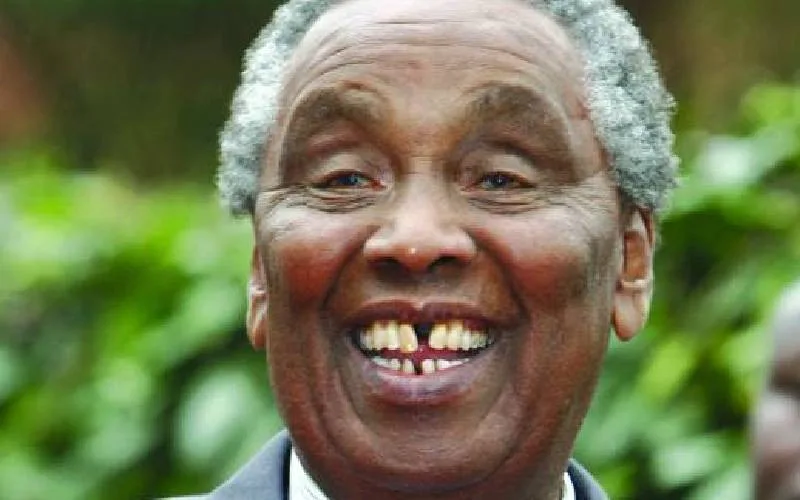
William ole Ntimama, the outspoken former Cabinet minister and Maasai rights champion, is gone — but the controversies he carried to the grave aren't buried yet.
Ntimama died on June 18, 2026, at a Nairobi hospital after a long illness. He was 78.
For decades, Ntimama was a political bruiser who never shied from a fight. He served as a Member of Parliament for Narok North for over 20 years and held key ministerial posts including Internal Security, Lands, and East African Affairs under former President Daniel arap Moi.
But his legacy is deeply tangled. On one hand, he's remembered as a fierce defender of Maasai land rights, pushing back against encroachment on community land. On the other, he was accused of benefiting from the very land injustices he claimed to oppose.
Perhaps the most explosive chapter involves Mau Mau secrets. Ntimama was alleged to have known the location of hidden Mau Mau weapons caches and documents from the independence struggle. He repeatedly denied this, but the claims followed him for years. In 2017, a British court case over Mau Mau torture survivors briefly revived the speculation, though Ntimama was never formally implicated.
Then there are the land feuds. Ntimama was at the centre of bitter disputes in Narok and the Mau Forest complex. Critics accused him of grabbing land meant for the Ogiek community and other marginalised groups. He always insisted his actions were about protecting Maasai interests.
His political style was blunt. In 2004, he famously called for the eviction of all non-Maasai from the Mau Forest, sparking ethnic tension. He later softened his stance, but the damage was done.
Ntimama also had a complicated relationship with President William Ruto. The two were allies in the early 2000s, but they fell out spectacularly. Ntimama backed Raila Odinga in the 2022 election, a move that isolated him from the Ruto administration.
In recent years, Ntimama had been battling diabetes and kidney complications. His health deteriorated rapidly in 2025, and he was hospitalised multiple times before his death.
Reactions to his death have been mixed. President Ruto described him as a "titan of Kenyan politics" who fought for his people. Opposition leader Raila Odinga praised his dedication to Maasai rights. But human rights groups and land activists were more measured, pointing to the unresolved land issues he left behind.
Ntimama will be buried at his home in Narok according to Maasai tradition. The date hasn't been set.
His death closes a chapter in Kenya's political history — but the questions around his legacy remain very much alive.